

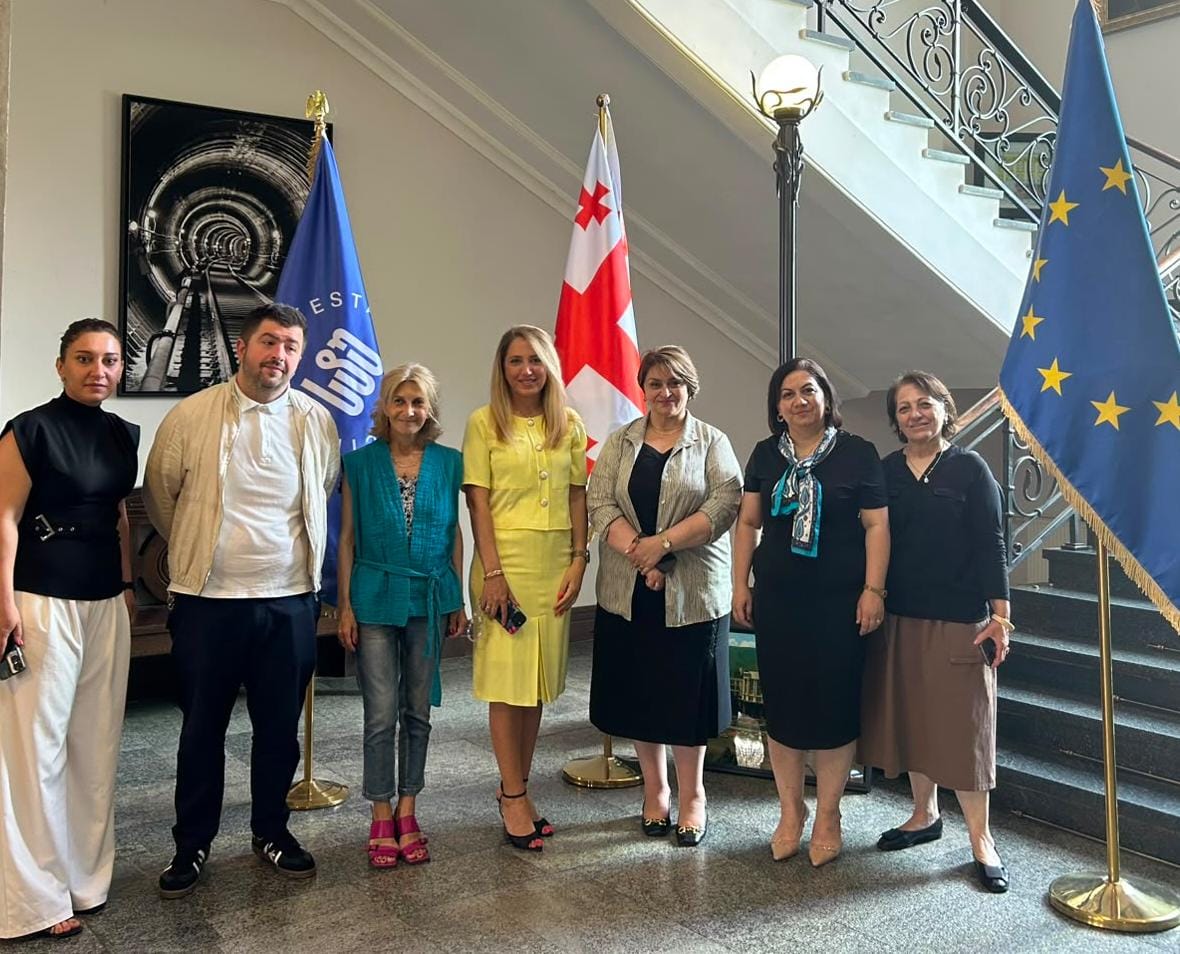
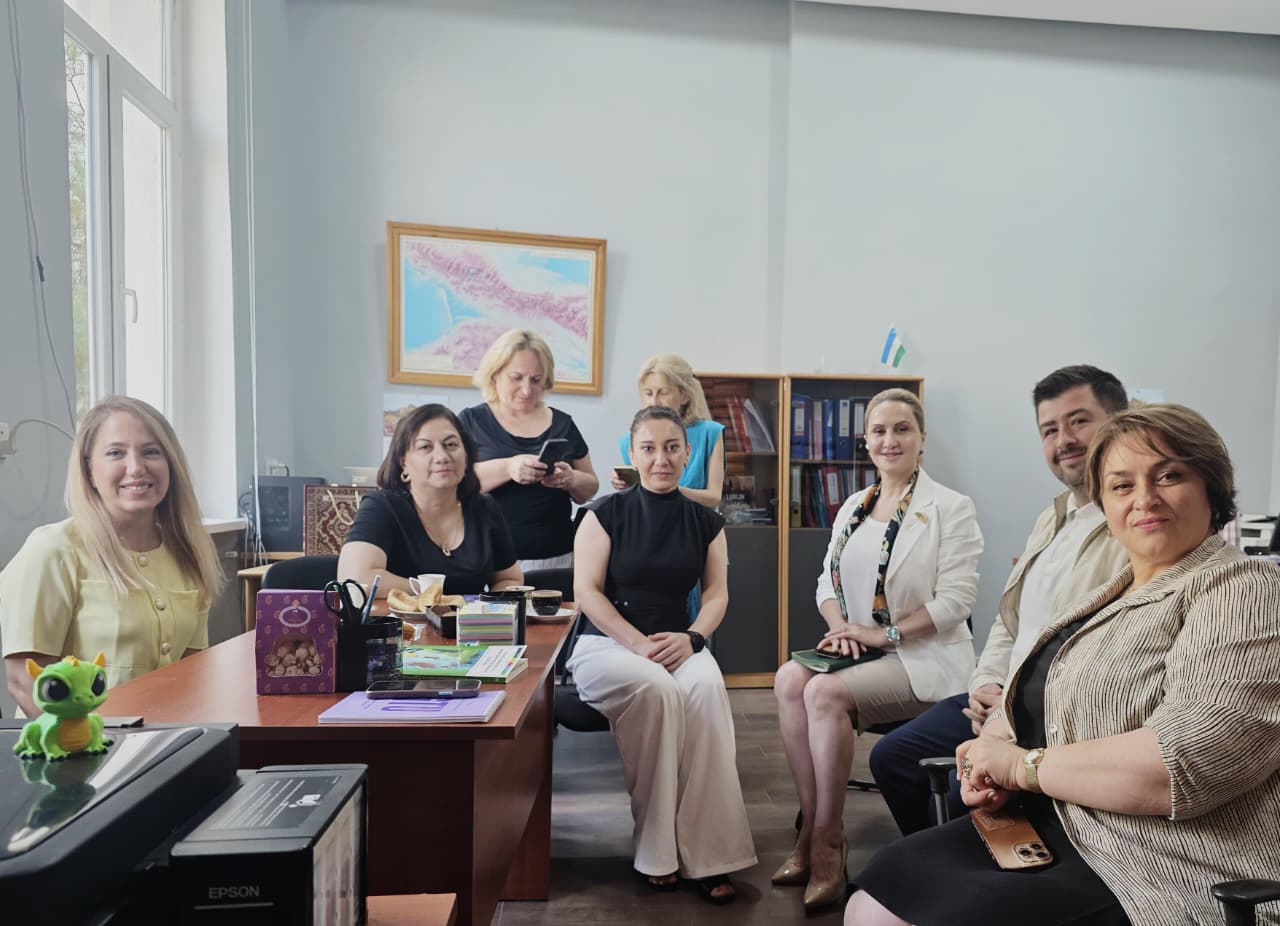
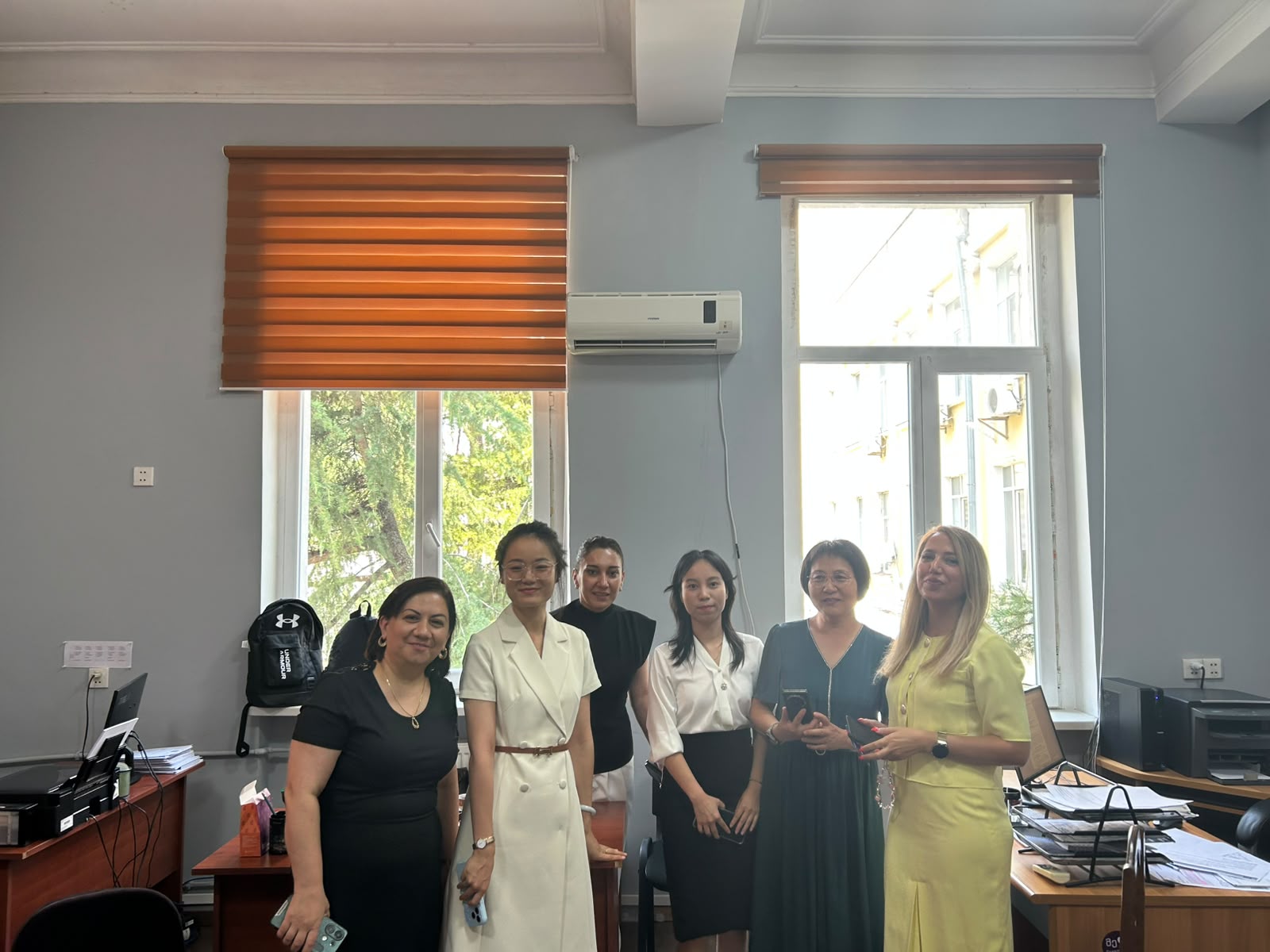
As part of the visit of a delegation from Mingachevir State University to Georgian Technical University, discussions were held on expanding international cooperation between the two higher education institutions, developing and managing joint projects, exchanging experience in digital technologies, implementing joint initiatives related to the Sustainable Development Goals, and improving international ranking indicators.
The primary purpose of the visit was to enrich the emerging partnership between Mingachevir State University and Georgian Technical University with concrete areas of activity, align the universities’ academic, scientific and technological potential, and identify long-term, results-oriented cooperation mechanisms.
Mingachevir State University was represented at the meetings by Samira Ahmadova, Head of the International Relations Department; Associate Professor Aida Mustafayeva, Head of the Department of Information Technologies; and Aynur Araz, Project Coordinator.
During the discussions, particular attention was paid to establishing a joint coordination mechanism for the preparation and management of international projects. It was noted that successful applications to international programmes and grant calls require the proper formation of project teams, the advance distribution of responsibilities between the parties, the appointment of responsible persons, and the coordination of activities based on a unified work plan.
In this regard, the creation of joint project groups, assessment of the universities’ existing resources and capacities, mutual exchange of project ideas, distribution of tasks, and sharing of experience in coordinating organisational matters were considered appropriate.
The prospects for cooperation on the Sustainable Development Goals were also discussed. The importance of universities conducting systematic activities not only in education and scientific research, but also in social responsibility, green campus development, energy efficiency, environmental sustainability, inclusion, innovation and community engagement was emphasised.
The parties expressed their readiness to exchange experience in systematising activities related to the Sustainable Development Goals, establishing relevant working groups within the universities, linking implemented events and projects to specific sustainability targets, and presenting the achieved results more effectively on international platforms.
One of the main areas of discussion was strengthening the universities’ positions in international rankings. An exchange of views took place on data collection and submission for the QS World University Rankings, Times Higher Education and other international assessment systems, developing academic and employer reputation, expanding international scientific cooperation, increasing the number of joint publications, and communicating research results to an international audience.
Representatives of Georgian Technical University stated that the university works with various international ranking systems and organises its activities in this area systematically. Improving QS ranking indicators, increasing participation in international surveys, and involving academic partners and employers in the process were identified as important areas of future cooperation.
The parties also emphasised the importance of maintaining institutional and ethical communication principles when establishing relations with international partners. It was noted that cooperation with potential partner universities should initially be established through official correspondence between the international relations units of the higher education institutions, with areas of cooperation and mutual expectations defined in advance.
It was stated that, once mutual trust has been established, continuing relations at the level of relevant faculties, departments, research institutes, project leaders and academic staff is more effective. Mutual use of existing international partner networks, sharing contacts while taking institutional interests and ethical principles into account, and assessing new partners in advance in terms of academic reputation, scientific potential and strategic relevance were considered important.
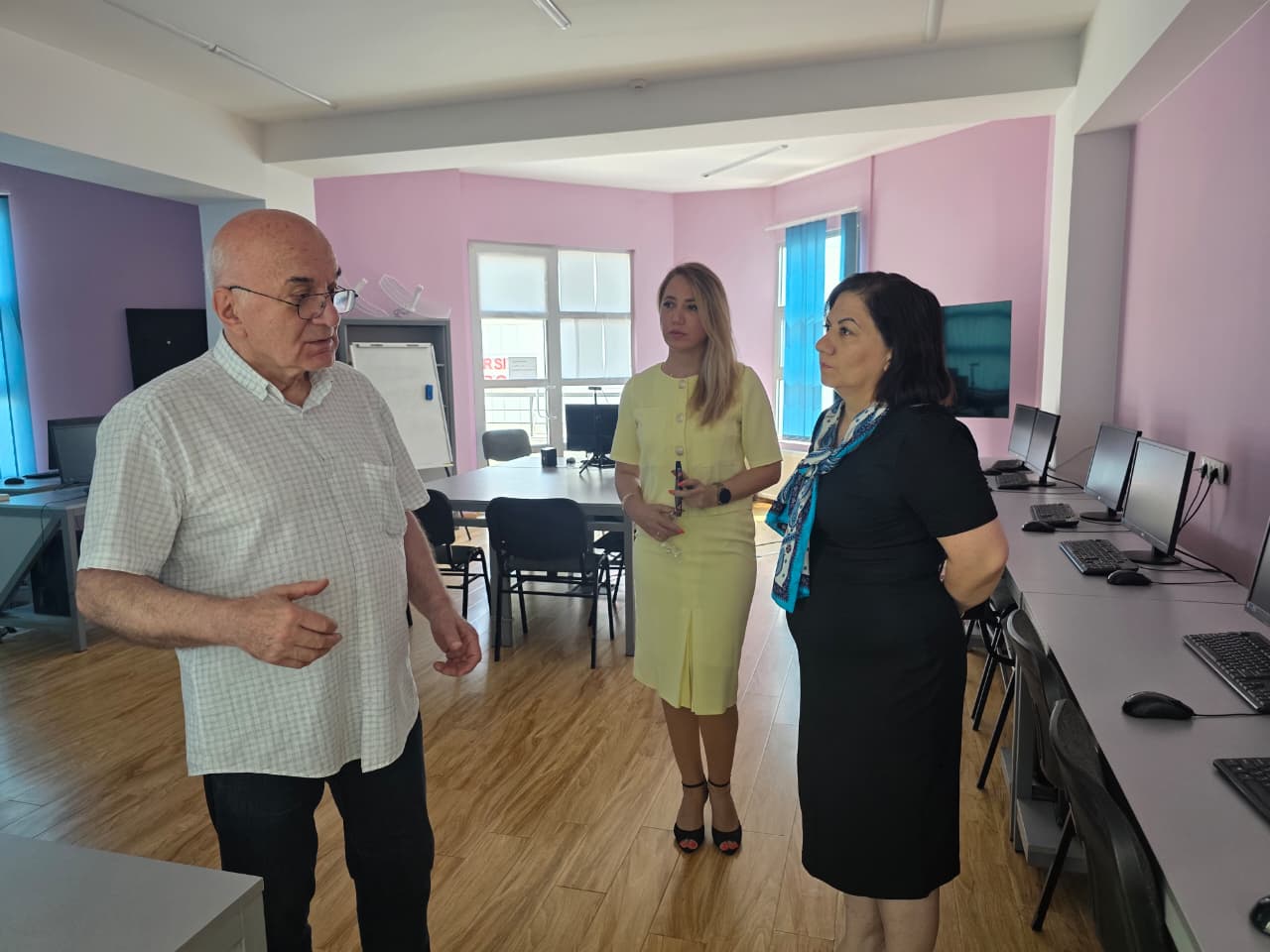
As part of the visit, the delegation from Mingachevir State University also met with the leadership and staff of Georgian Technical University responsible for information technologies.
The meeting reviewed prospects for developing curricula in information technologies and computer engineering, conducting joint scientific research, facilitating academic staff and student mobility, enabling mutual use of laboratory facilities, and preparing technological projects.
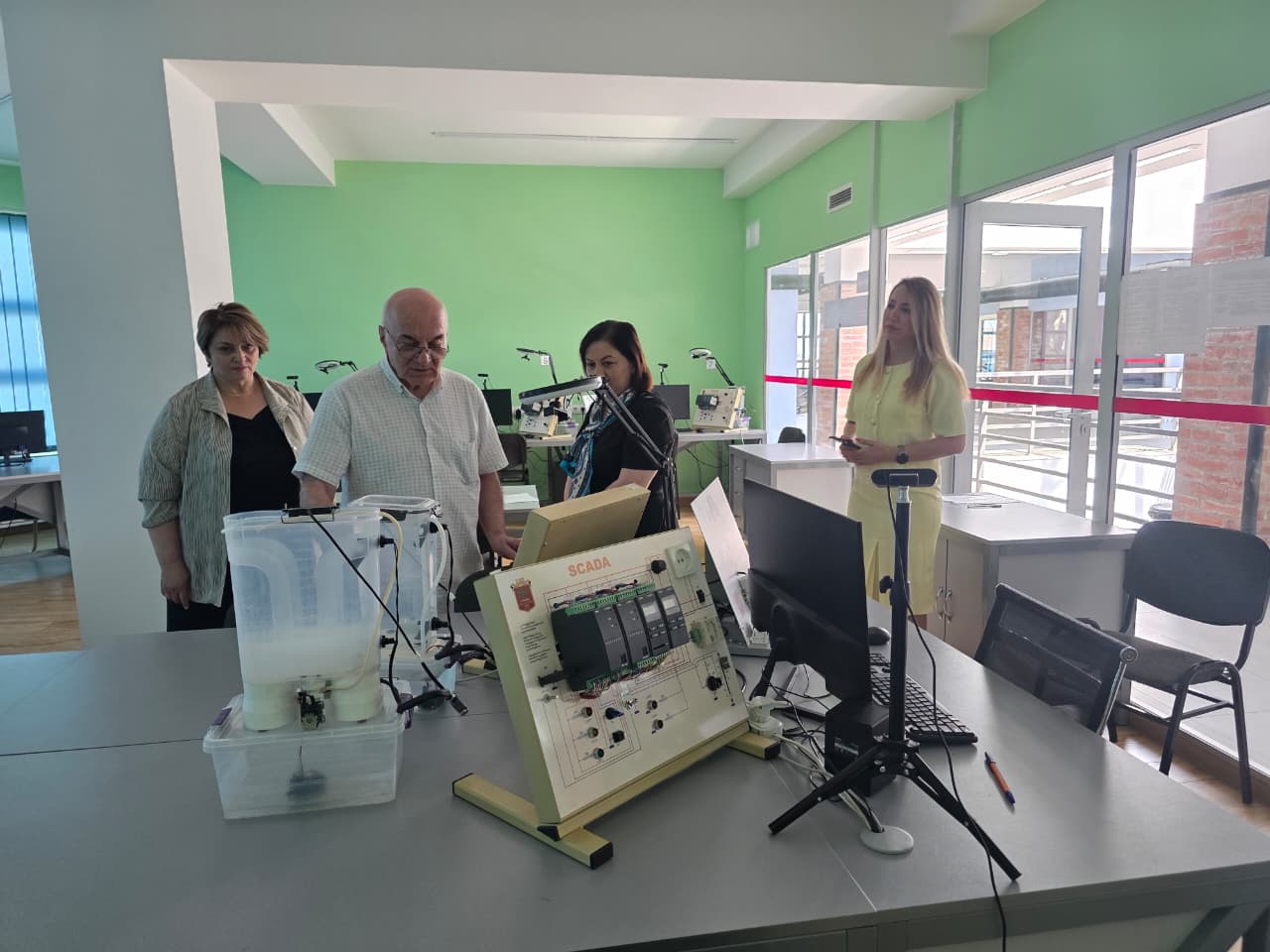
The delegation closely familiarised itself with the scientific, research and teaching infrastructure established in the relevant laboratories of Georgian Technical University. Detailed information was provided on the technologies, laboratory equipment and teaching methods used in Big Data, digital twins, the Internet of Things, computer networks, data processing, computing systems and server architecture.
The parties identified the development of joint teaching modules, certificate programmes, summer schools and applied research projects in Big Data analytics, artificial intelligence, digital twins, IoT-based management systems, cybersecurity, computer networks and server infrastructure as promising areas of cooperation.
Particular interest was shown in opportunities for joint activity relating to the application of digital twin technologies in energy, industry, urban infrastructure and university management, the collection of data through IoT sensors, the development of forecasting models based on Big Data, and the efficient management of computing resources.
Representatives of Mingachevir State University also visited the Museum of Computing Resources at Georgian Technical University. The delegation became acquainted with historical equipment, technological samples and exhibits reflecting different stages in the development of computing technology and information technologies.
The museum’s importance in preserving technological heritage, introducing students to the historical stages of information technology development, and enriching the educational process with practical examples was highly appreciated.
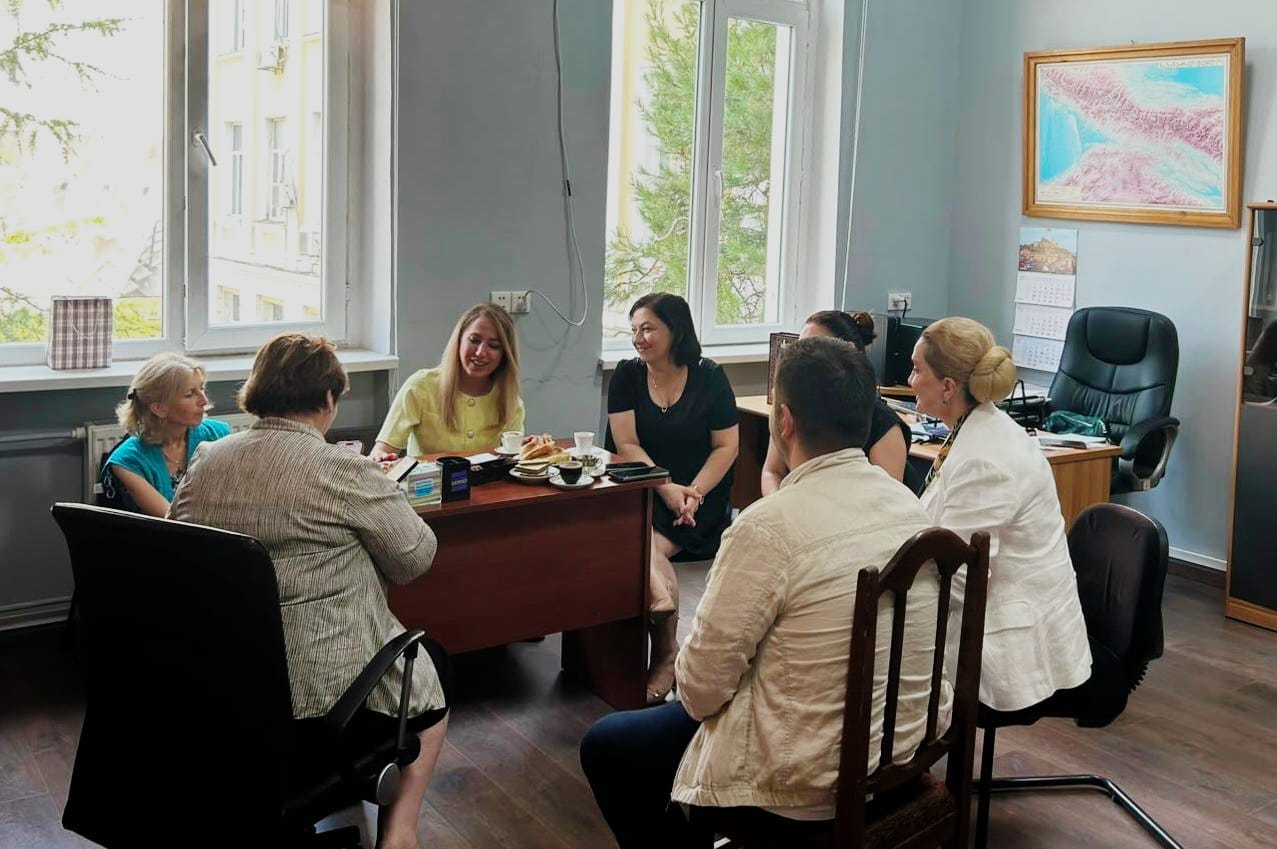
As part of the visit, a meeting was also held with Lela Chikovani, Tea Murvanidze and Georgi Mikiashvili, staff members of the International Relations Department of Georgian Technical University.
The meeting focused on opportunities for developing international relations between the two universities on an institutional basis, organising reciprocal visits, facilitating academic staff and student exchanges, holding joint conferences, seminars and summer schools, preparing consortium applications for international grant programmes, and improving QS and other global ranking indicators.
The development of joint projects in energy, information technologies, artificial intelligence, cybersecurity, digital transformation, green technologies and sustainable development under Black Sea Basin programmes and other international funding mechanisms was identified as a priority.
During the discussions, it was noted that Georgian Technical University has 13 campuses, nearly 23,000 students and approximately 1,200 employees. It was emphasised that the university’s broad academic, scientific and technological capacity creates favourable opportunities for the development of multifaceted cooperation between the two higher education institutions.
The discussions held during the visit are of significant importance for advancing cooperation between Mingachevir State University and Georgian Technical University to a new stage, enriching the partnership with concrete projects and initiatives, improving curricula based on international experience, integrating modern technologies into teaching and research processes, and increasing the international visibility and competitiveness of both universities.
The parties expressed a shared position on preparing a concrete action plan for the discussed areas, establishing joint working groups, and continuing long-term cooperation based on mutual trust.