

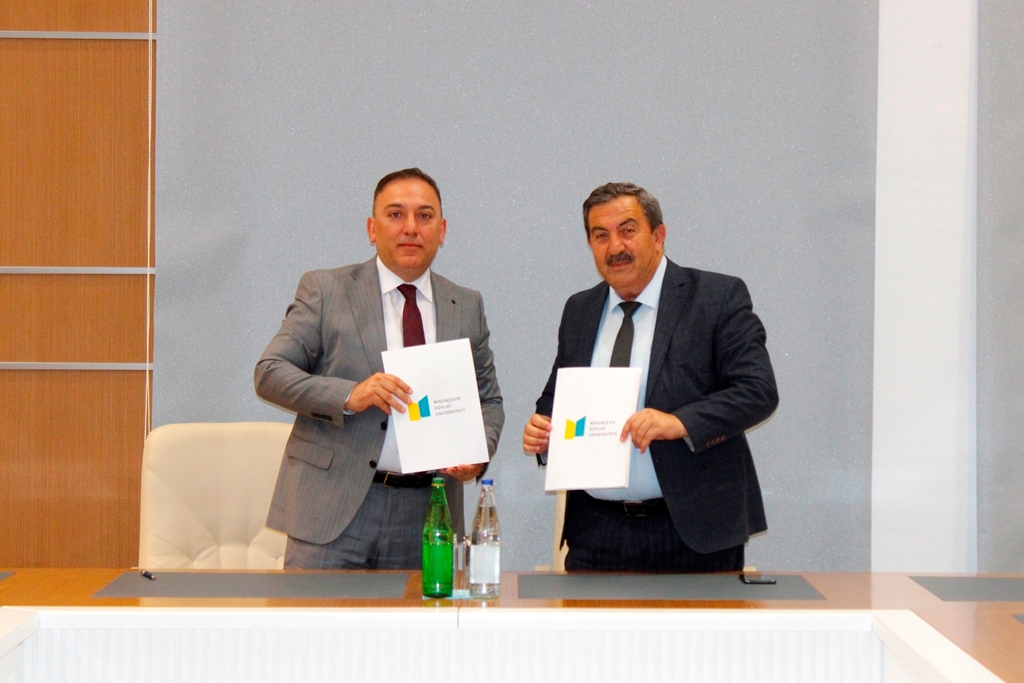
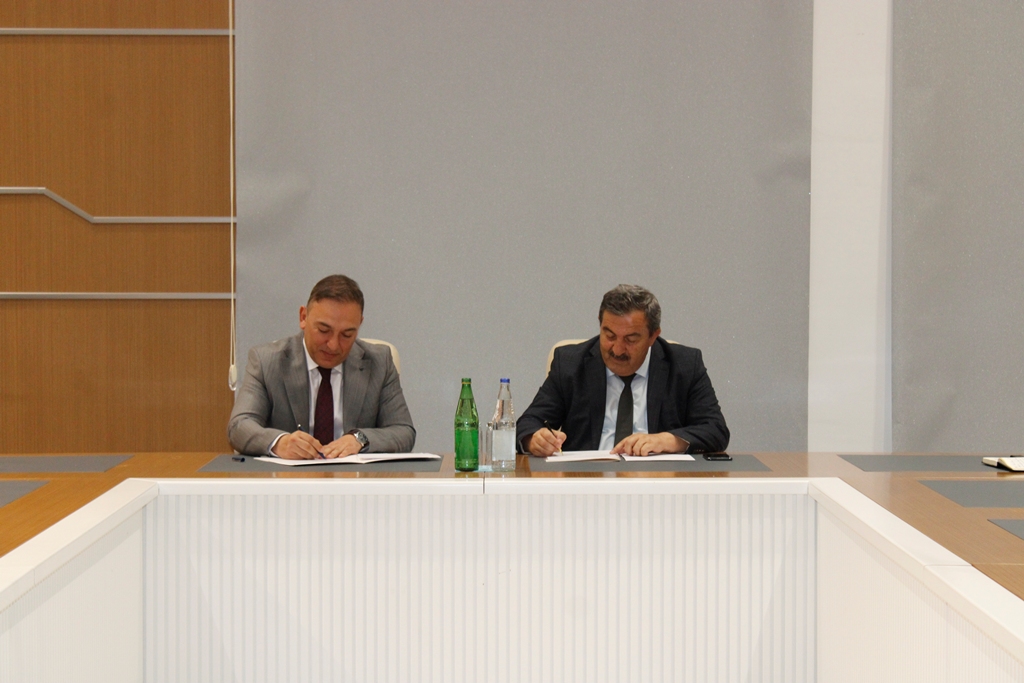
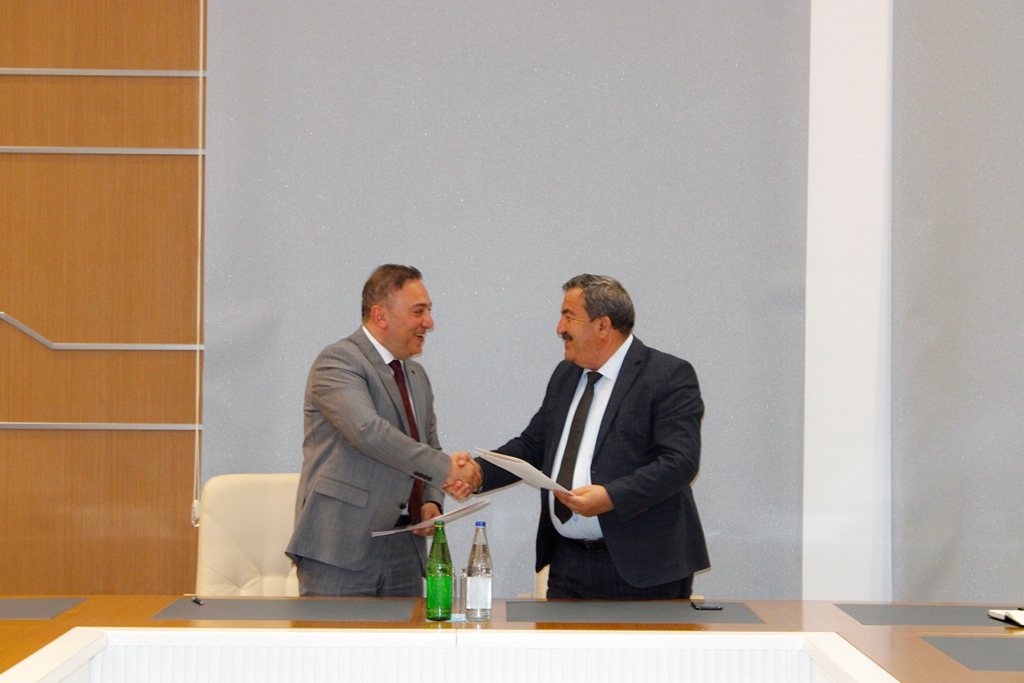


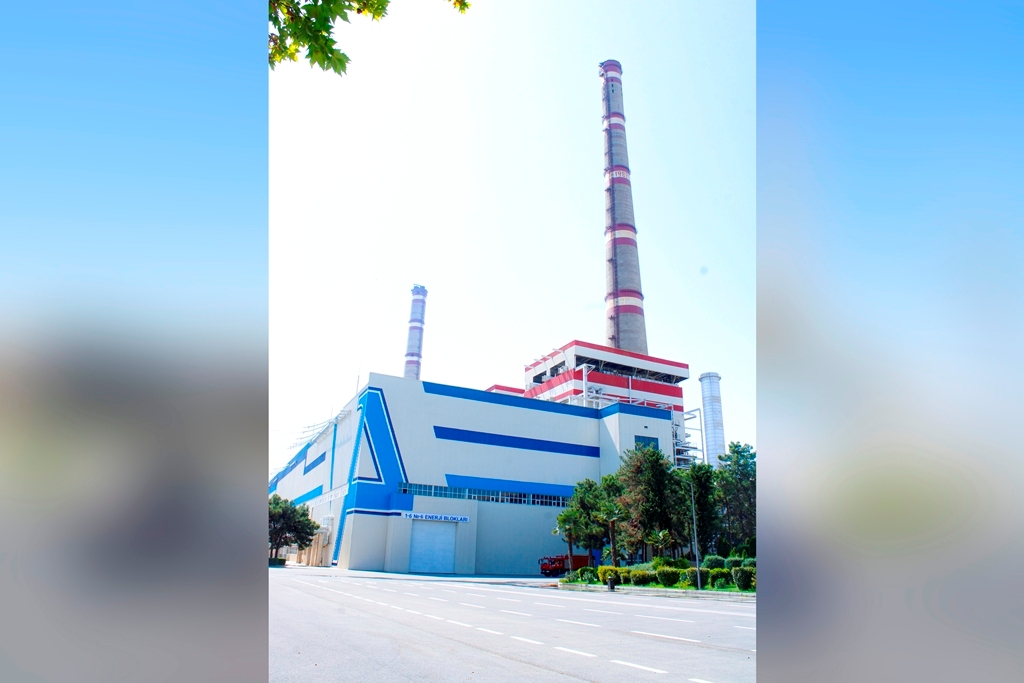
In order to strengthen university–industry cooperation in the fields of education and industry and establish a new collaboration model, a Memorandum of Cooperation was signed between Mingachevir State University (MSU) and “Azerbaijan Thermal Power Plant” Limited Liability Company (“Azerbaijan TPP” LLC), one of the largest energy enterprises in the Caucasus region. The Memorandum was signed by the Rector of MSU, Anar Eminov, and the Director of “Azerbaijan TPP” LLC, Tahmasib Huseynov.
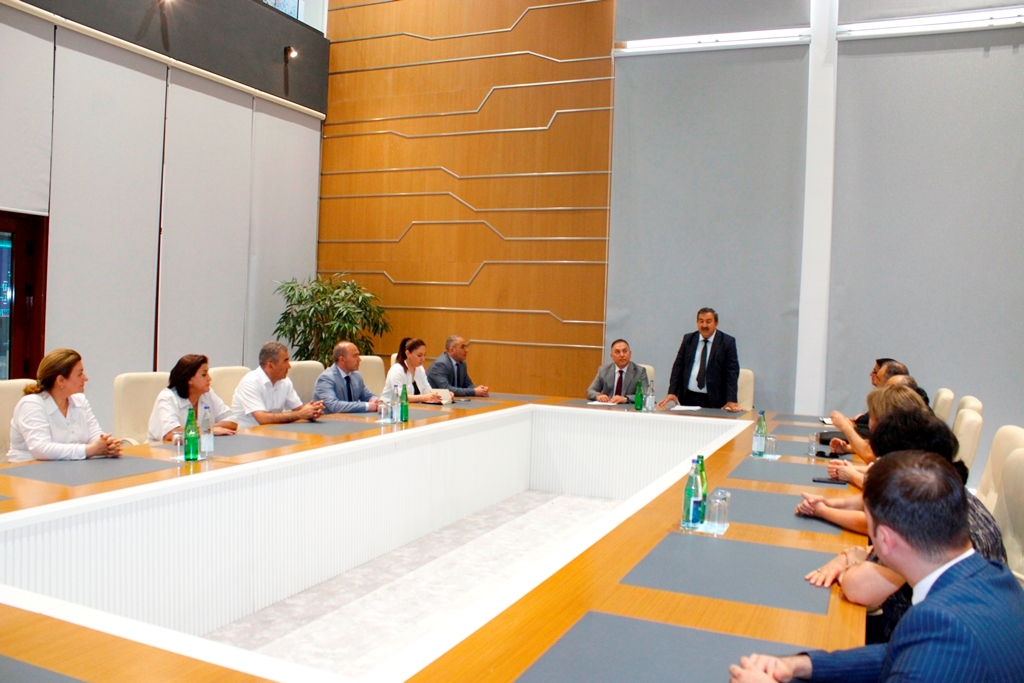
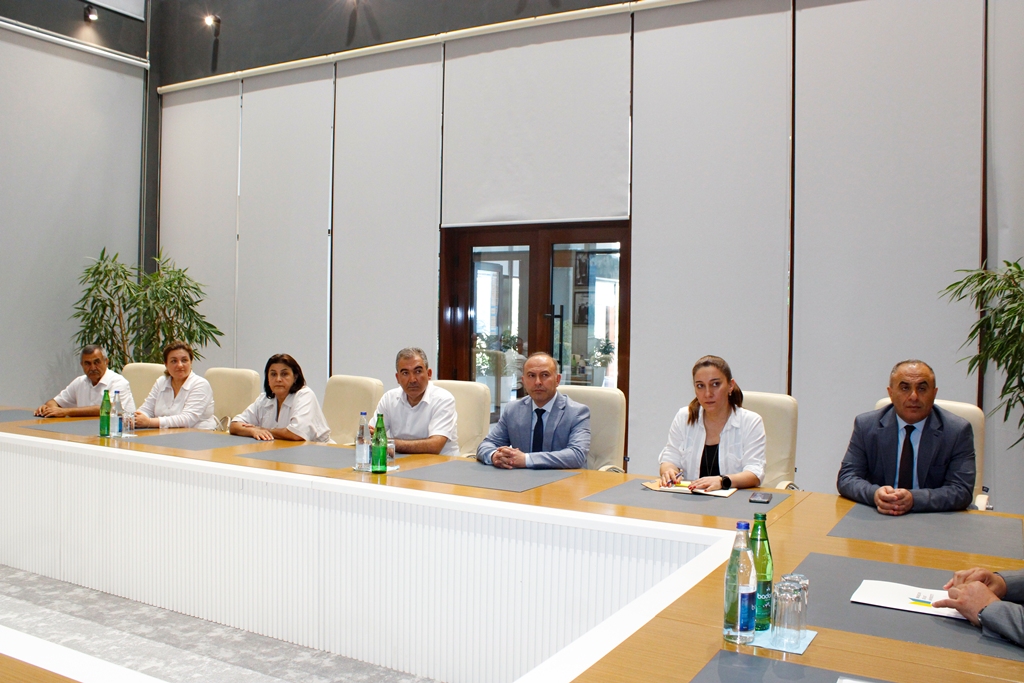
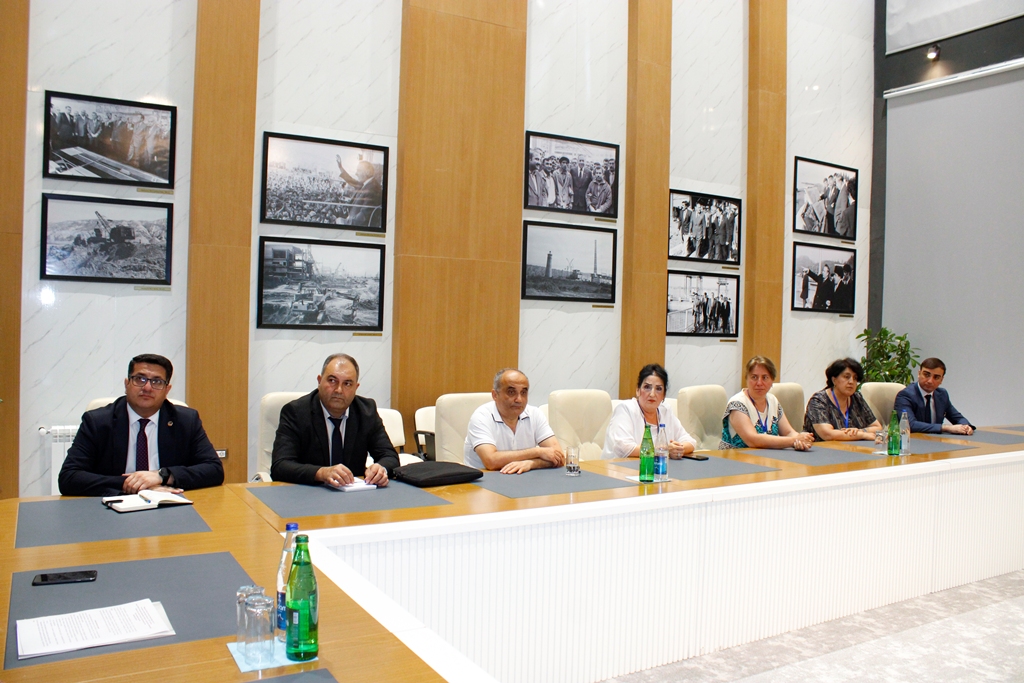
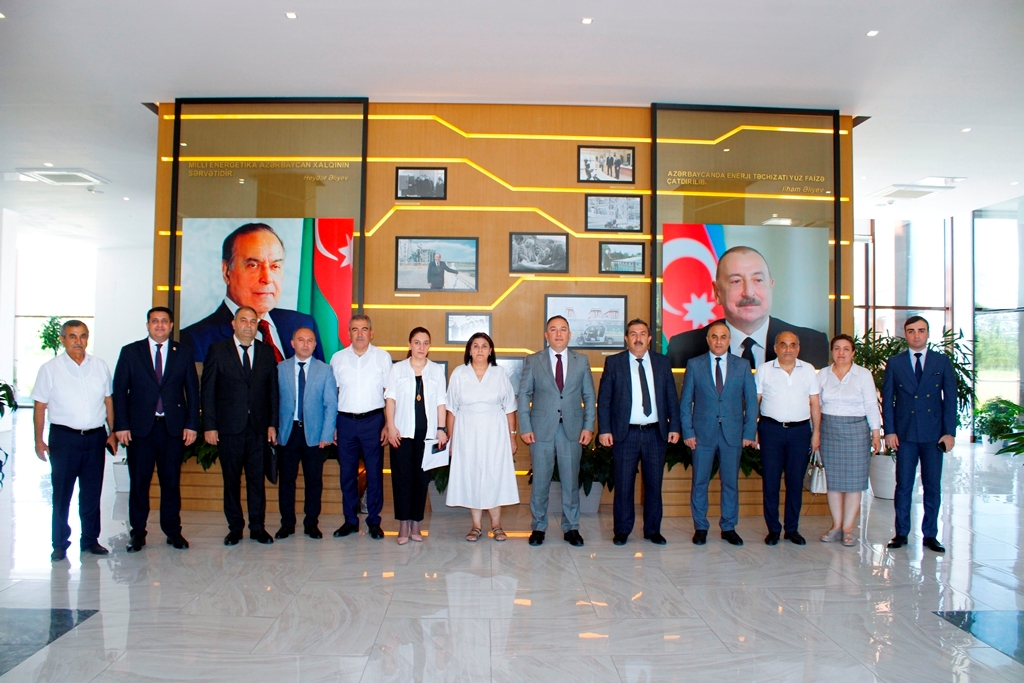
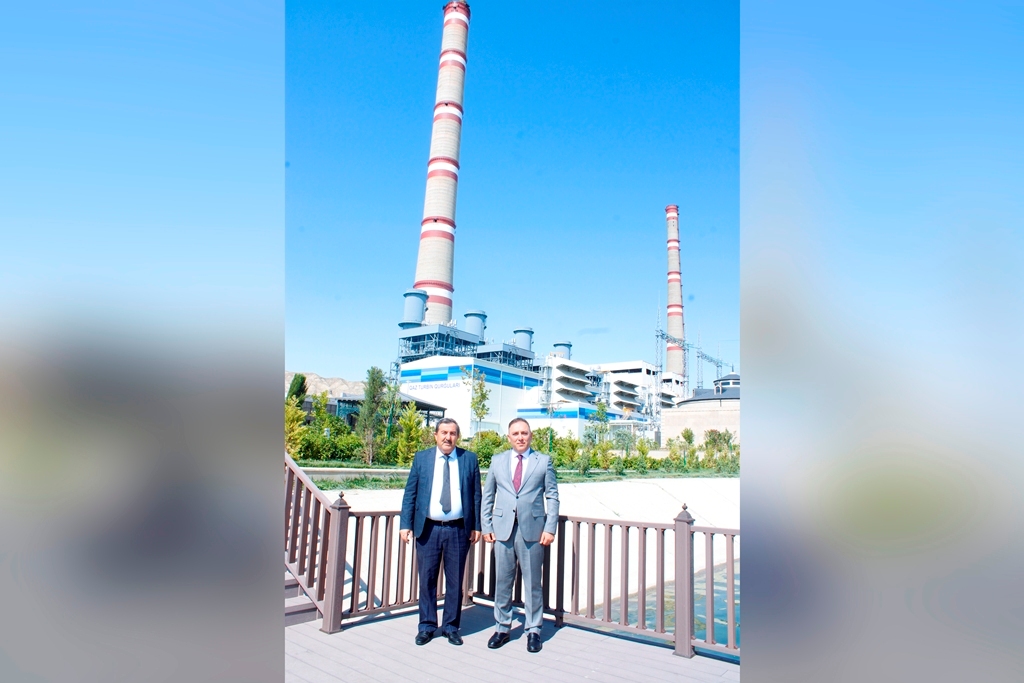
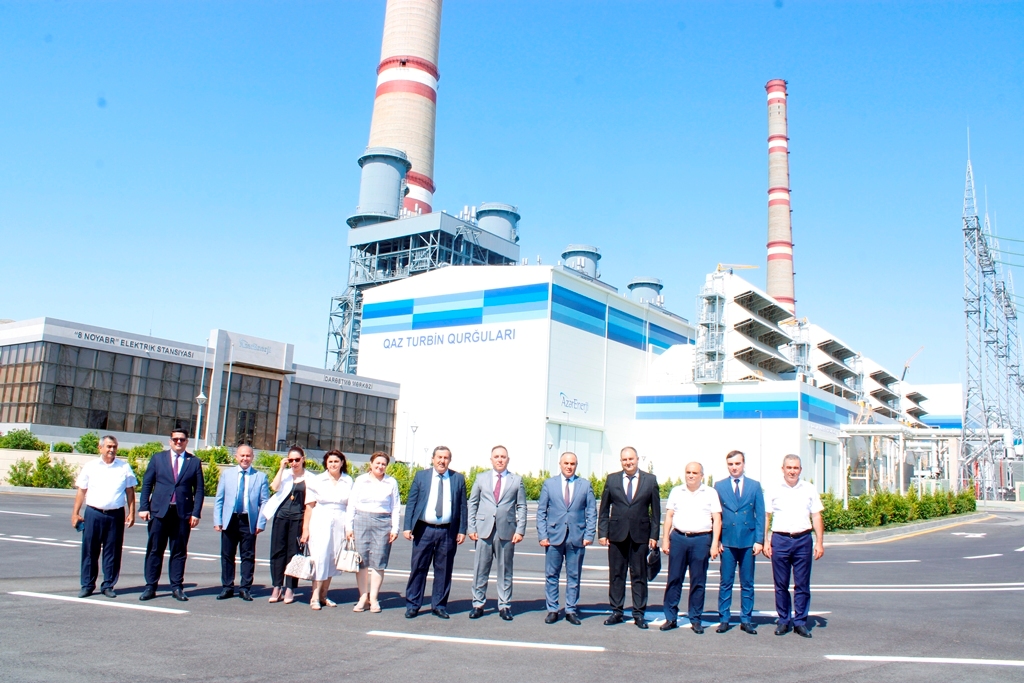
Accordingly, on July 15, 2025, a delegation of the university led by Rector Anar Eminov visited the headquarters of “Azerbaijan TPP” LLC. Senior officials of the power plant also participated in the roundtable meeting held during the visit.
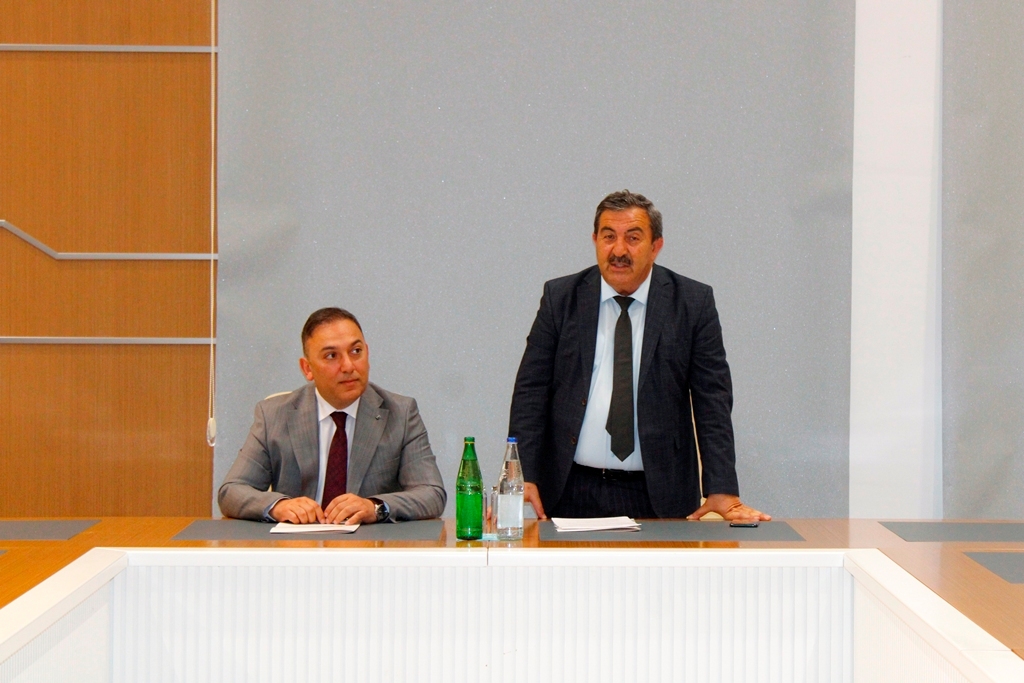
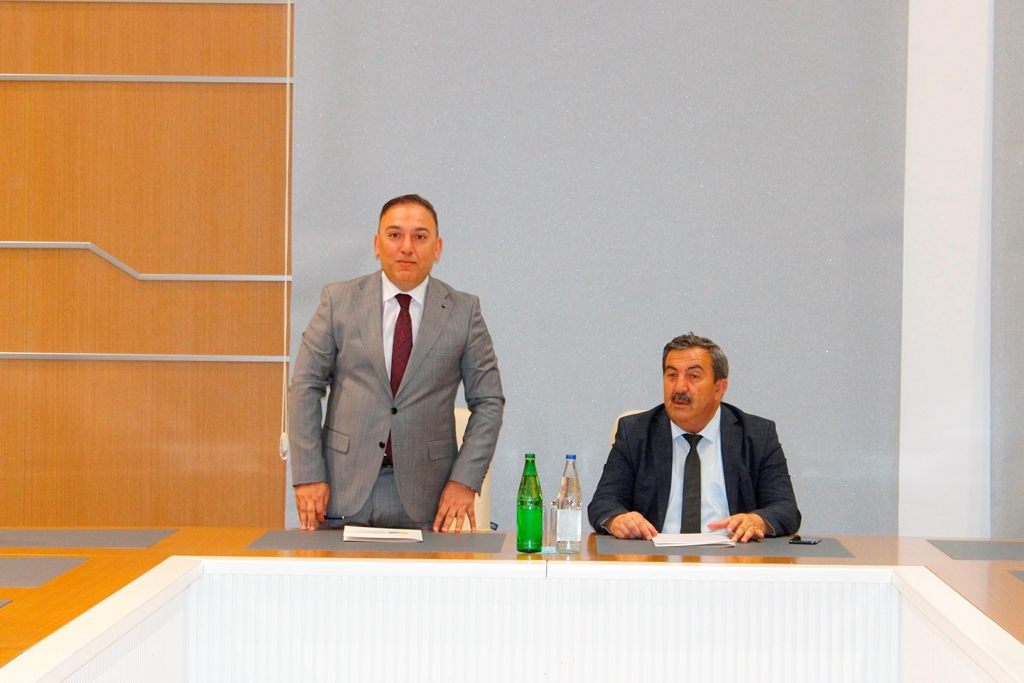
Expressing his satisfaction with the university–industry partnership, Tahmasib Huseynov emphasized the exceptional role of MSU in training qualified specialists for the country’s energy production sector. The Director of the power plant highlighted the significance of the cooperation agreement with MSU in terms of ensuring the enterprise’s future professional workforce and implementing innovative approaches.
Rector Anar Eminov stated that transitioning to an industry-integrated education model is among the strategic goals of MSU. He stressed that this cooperation would play an important role in developing students’ practical skills and transforming the university into an application-oriented higher education institution. The Rector also noted that the signed Memorandum serves as a roadmap for taking concrete cooperation steps and expressed his gratitude to the management of “Azerbaijan TPP” LLC for their support in establishing the partnership.
Following the meeting, a Memorandum on joint cooperation in training professional personnel in industry-oriented specialties, particularly Power Engineering and Electrical and Electronics Engineering, was signed between MSU and “Azerbaijan TPP” LLC.
The signed Memorandum aims to train professional specialists in industry-oriented fields—especially Power Engineering and Electrical and Electronics Engineering—promote scientific research and innovation activities, and integrate modern industrial practices with education.
The main purpose of the Memorandum is to contribute to the country’s industrial potential through the synthesis of scientific knowledge and industrial experience, support the development of innovation activities, and organize mutual resource exchange in strategic areas.
The key areas of cooperation envisaged within the framework of the partnership include organizing students’ industrial internships at “Azerbaijan TPP” LLC and conducting the practical component of courses at the enterprise’s Training Center; involving the company’s specialists in the educational process and integrating university lecturers into industrial operations; implementing joint scientific research projects and developing innovative solutions to modern energy challenges; determining master’s thesis topics according to the needs of the enterprise and appointing academic supervisors from the company; adapting curricula and syllabi of relevant specialties to the requirements of the power plant; jointly preparing teaching materials; updating Power Engineering and Electrical and Electronics Engineering programs based on an industry-oriented model; establishing a University Education Center at the power plant; as well as organizing professional development programs, updating knowledge and skills, identifying talented young specialists, and supporting their future employment.
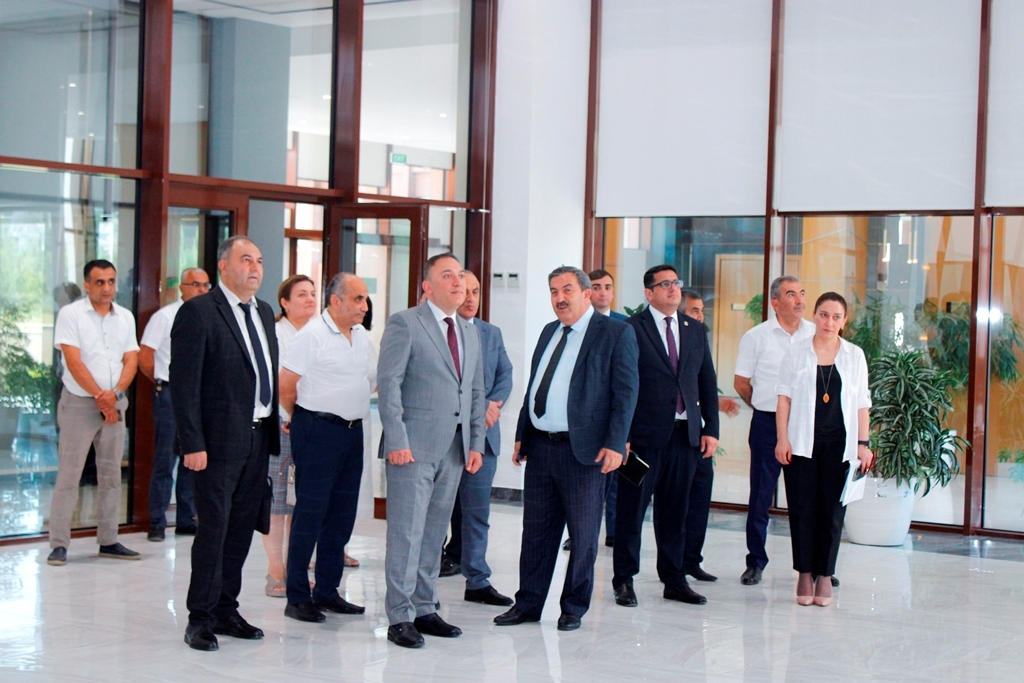
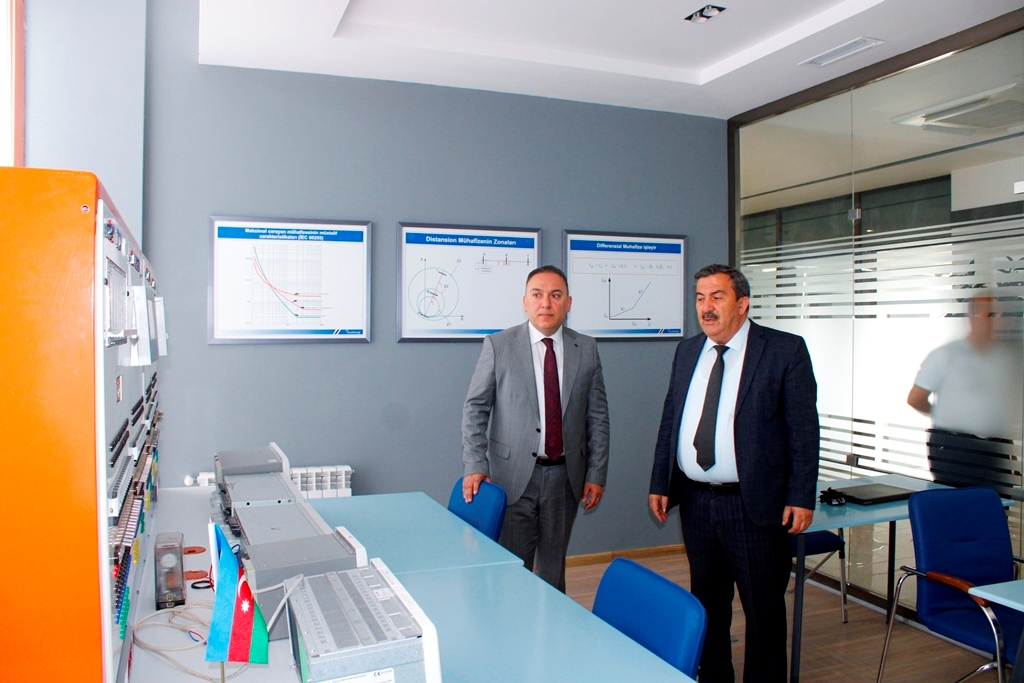
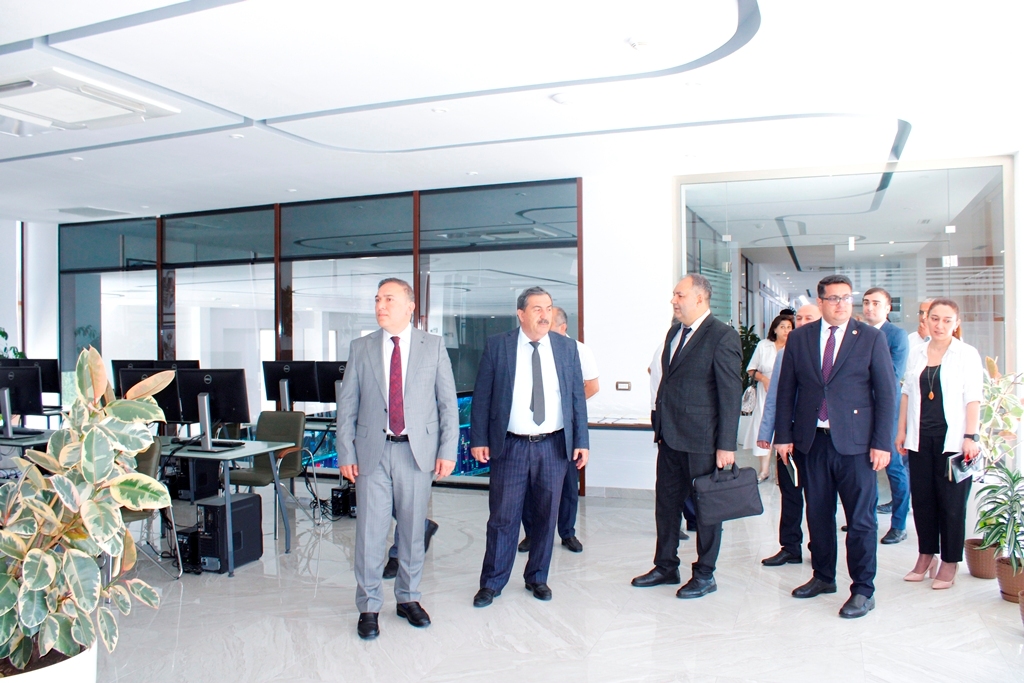
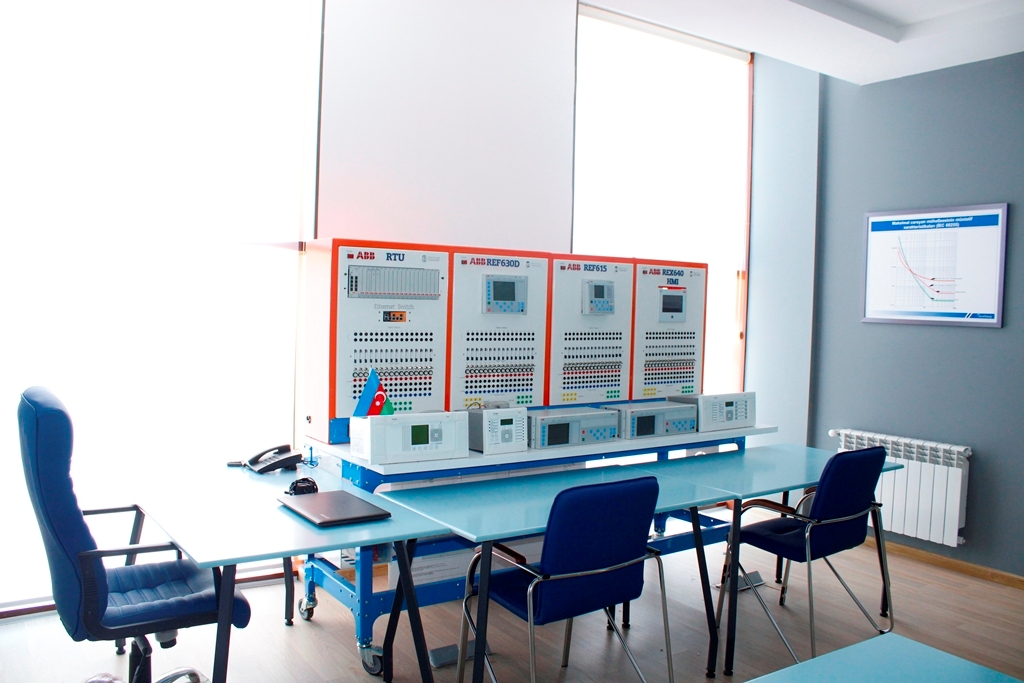
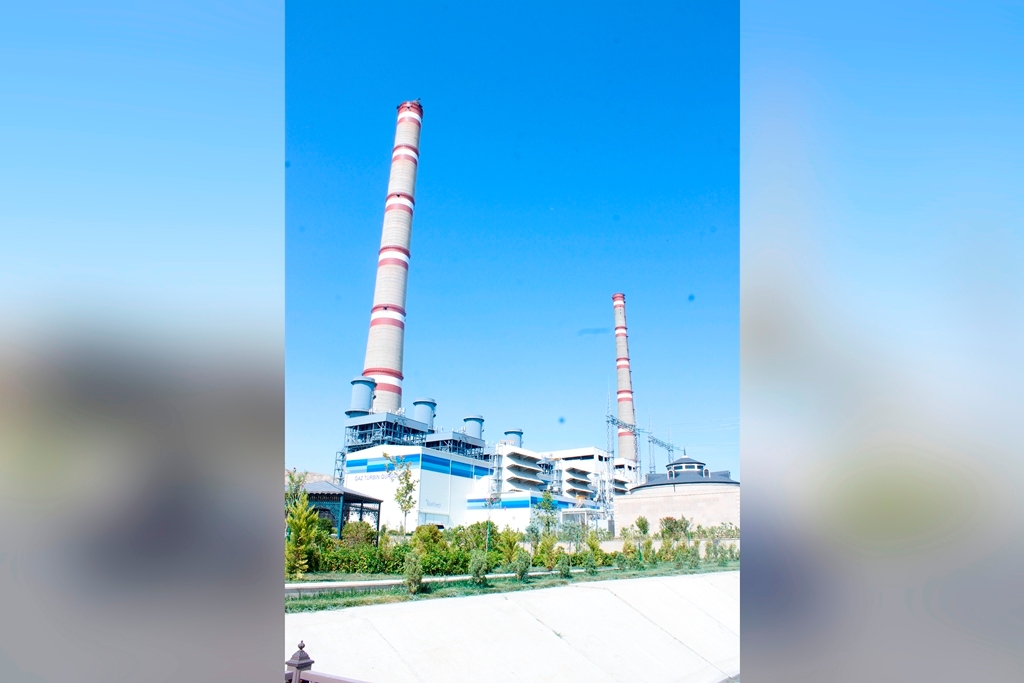
After the signing ceremony, the university delegation led by Rector Anar Eminov closely familiarized themselves with the material and technical base, infrastructure, Training and Education Center, and administrative building of “Azerbaijan TPP” LLC.
It should be noted that within the framework of this cooperation, the parties will jointly engage in scientific research and innovation activities, internship programs, human resource development, and social and public initiatives. The Memorandum has been signed for a five-year period and envisages the establishment of sustainable cooperation mechanisms in the next stages.