

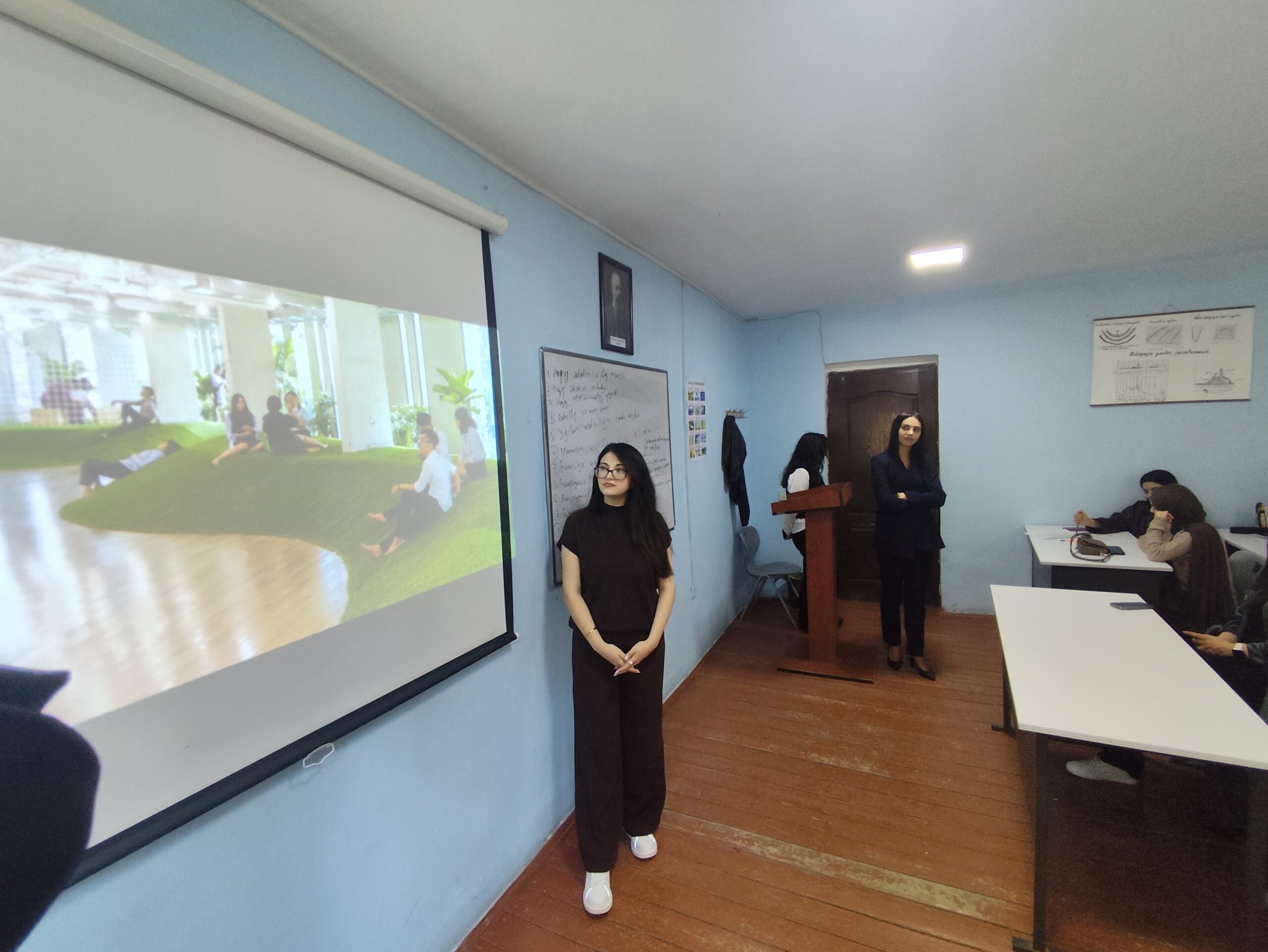
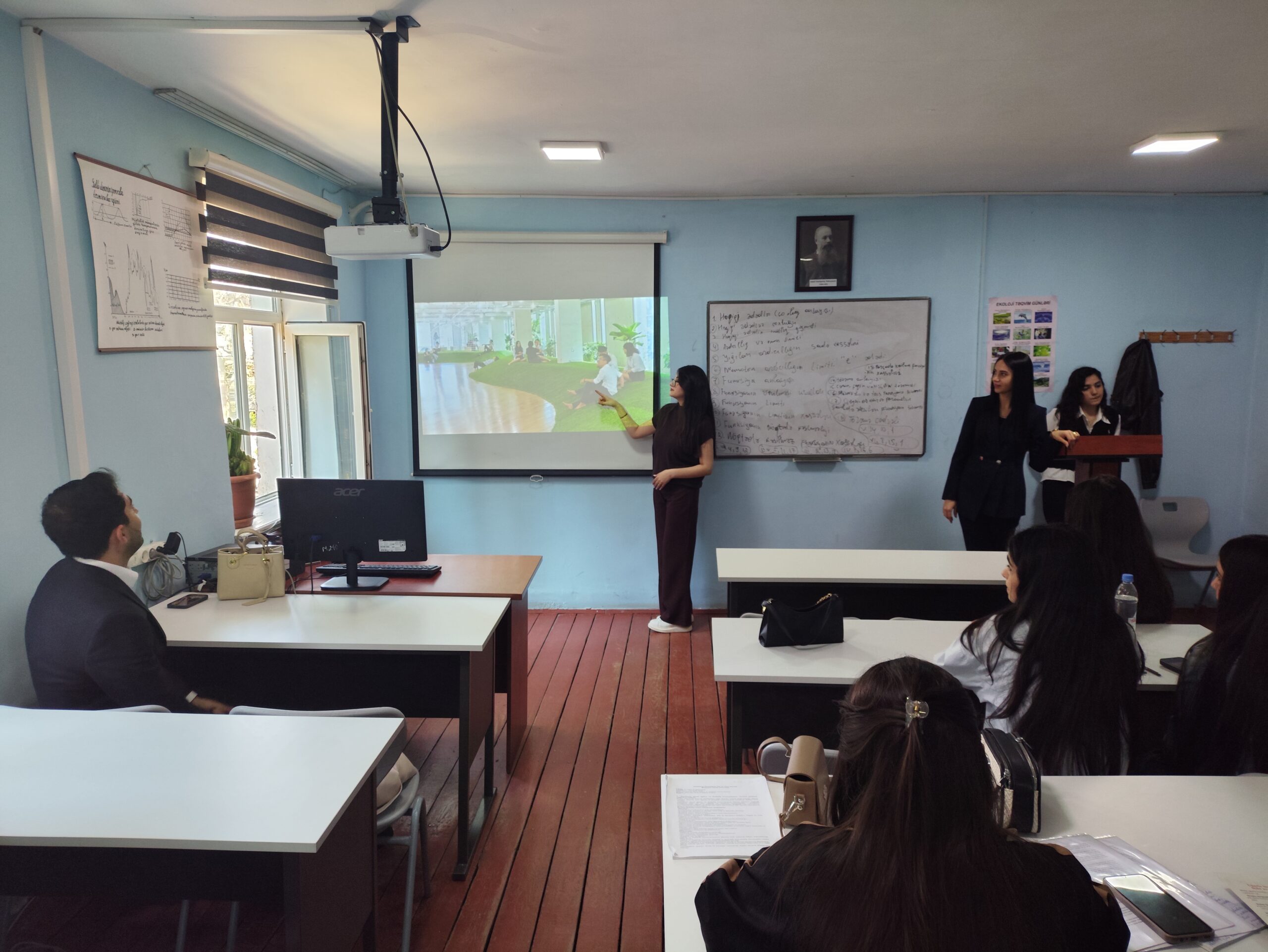
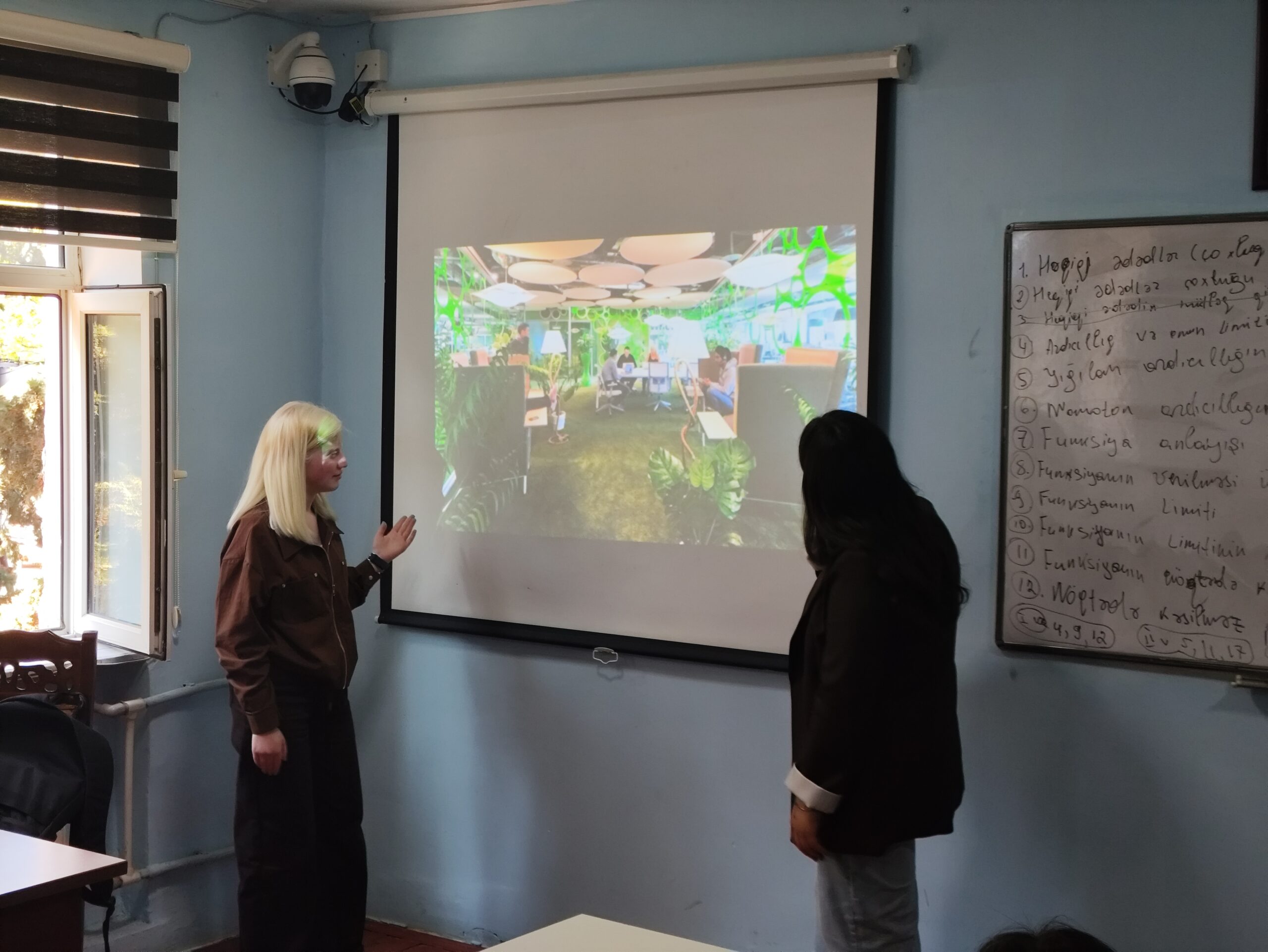
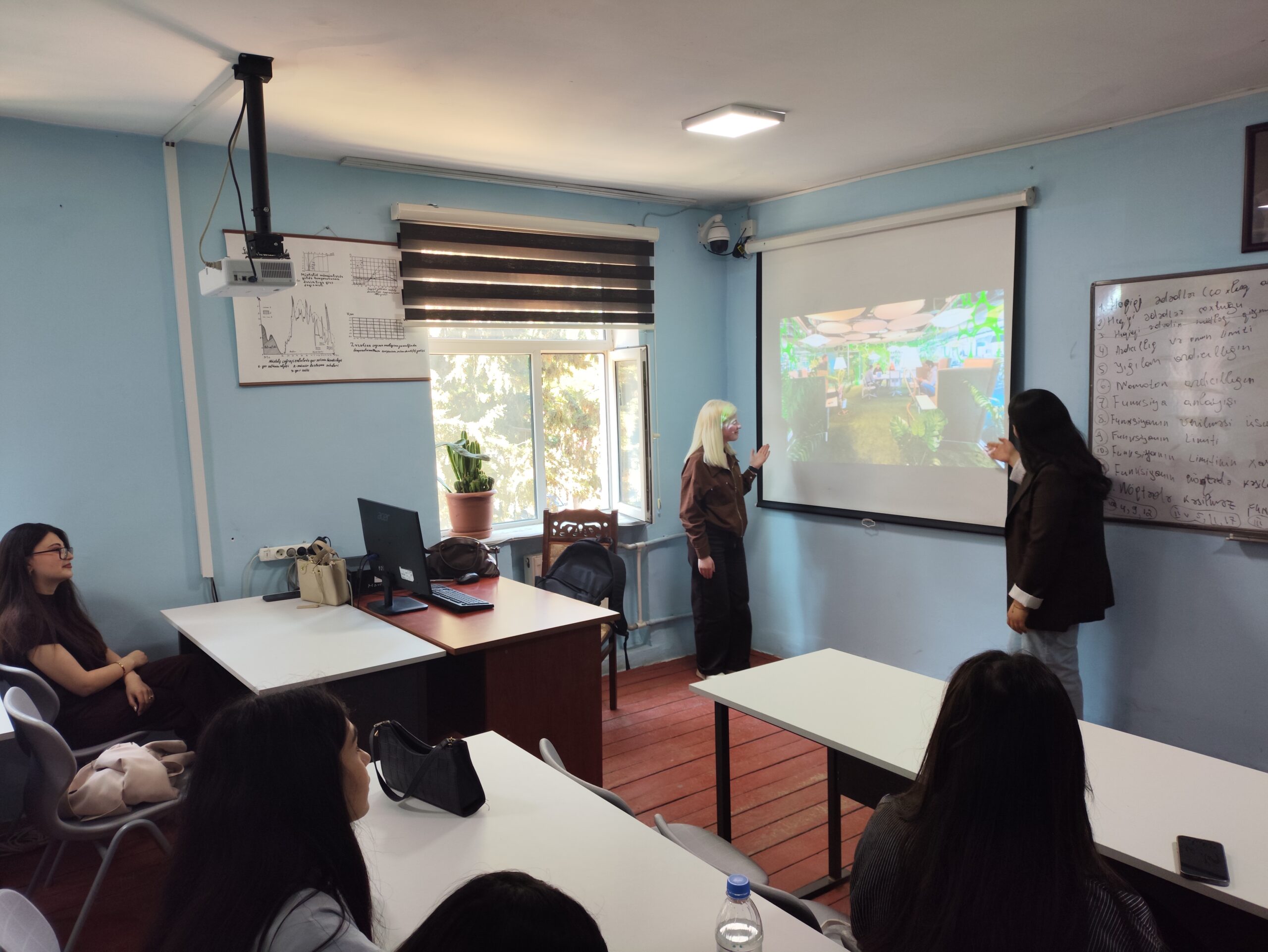
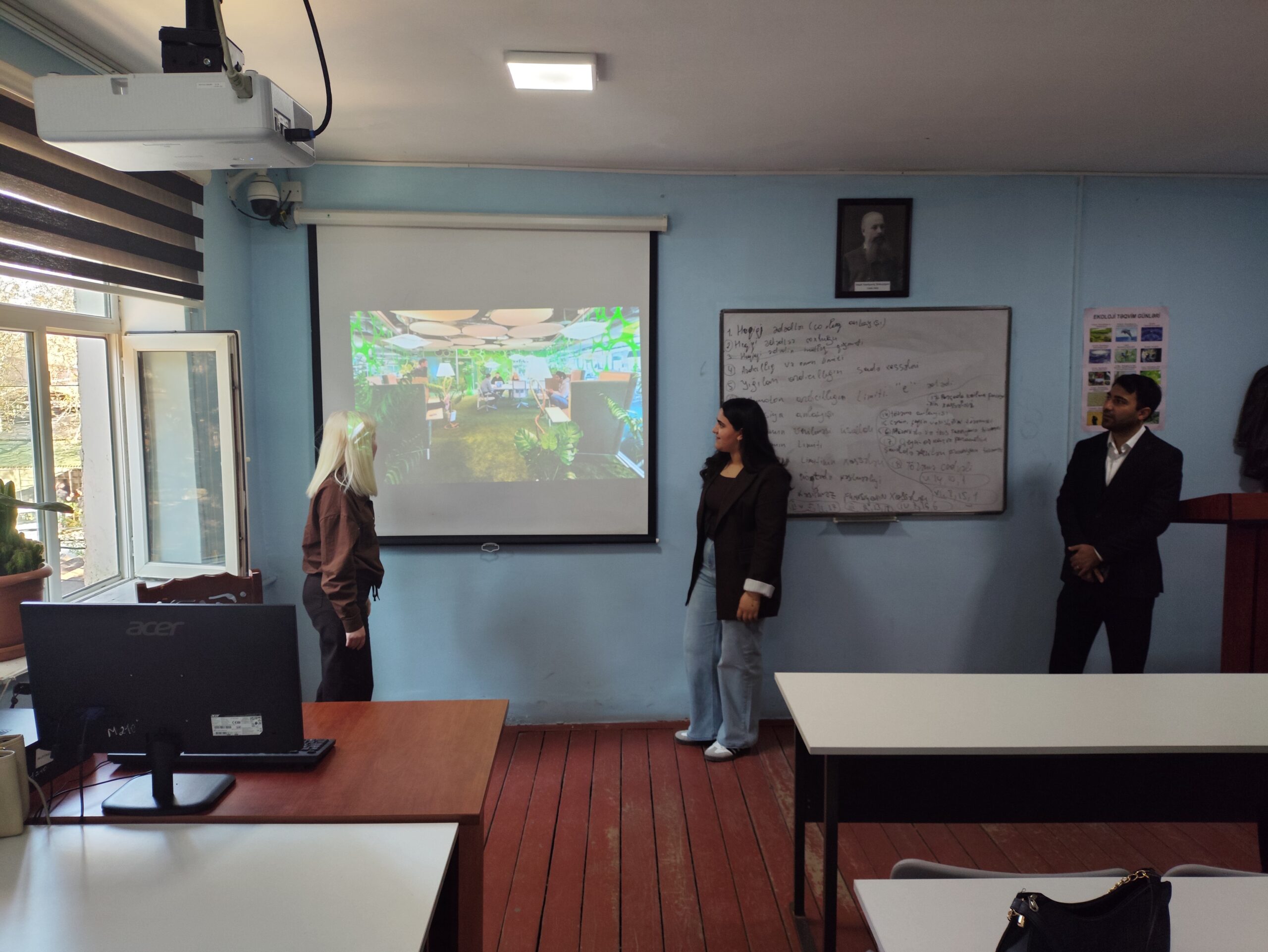
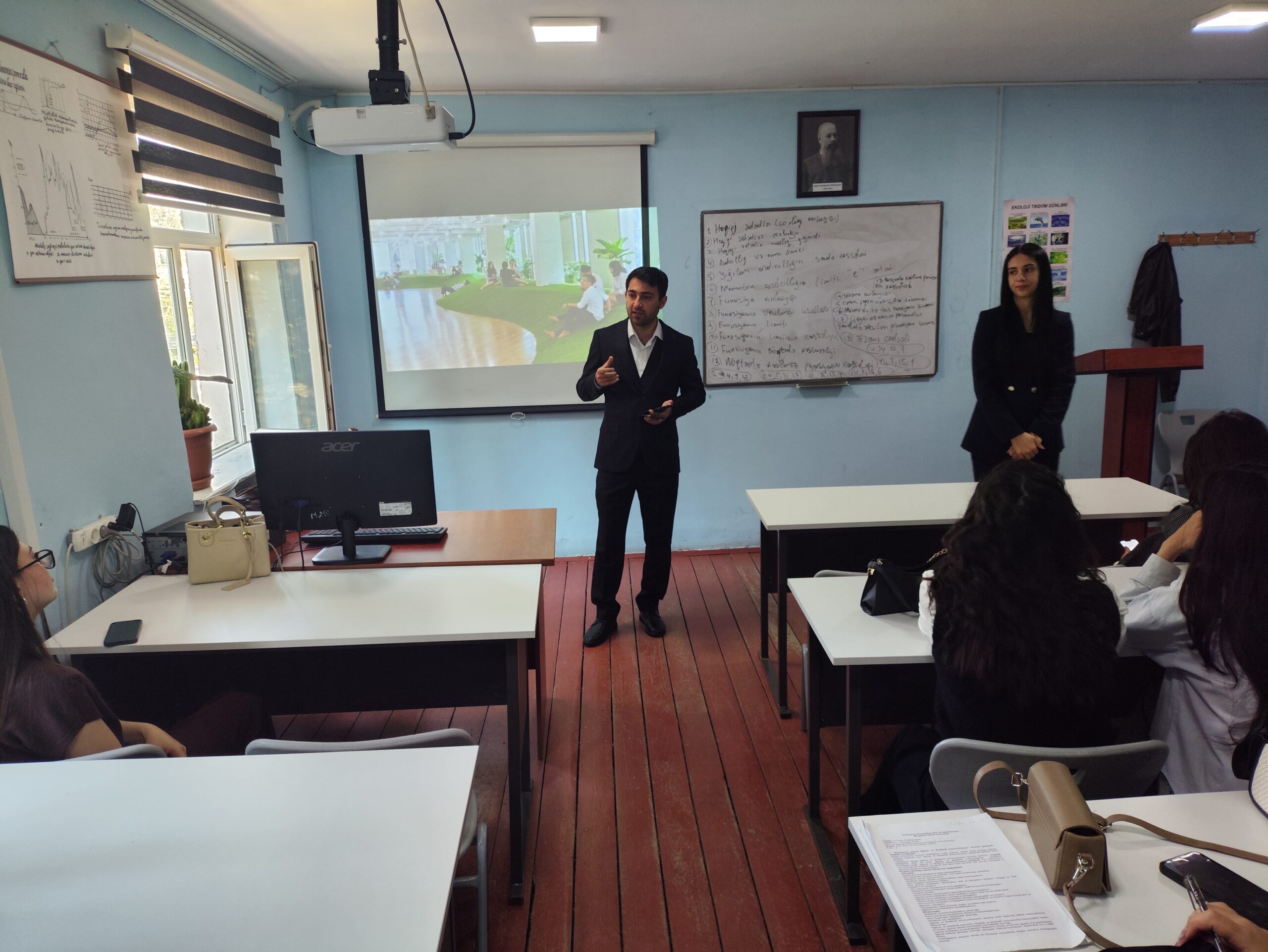
Mingachevir State University hosted the “Technological Solutions for Optimizing Green Office Consumption” competition aimed at promoting efficient resource use, reducing energy consumption in office environments, and strengthening ecological sustainability. The event was jointly organized by the Department of Energy and the Department of Physics and Ecology.
Within the competition, participants analyzed existing challenges such as energy losses in office buildings, paper and water waste, and inefficiencies in lighting and heating systems. To address these issues, they developed innovative technology-based solutions and explored the implementation possibilities of the “green office” concept.
The projects presented by the teams included smart energy management systems, sensor-based lighting and climate control solutions, digital document circulation platforms, and IoT-based systems for real-time monitoring of office resources. These approaches contributed to optimizing energy and resource usage.
The main goal of the event was to enhance participants’ technological approaches to ecological problems and to foster innovative thinking based on sustainable development principles. Theoretical knowledge was combined with practical application opportunities.
During the competition, participants worked in groups to quickly transform their ideas into actionable concepts while developing analytical thinking and systematic problem-solving skills. The projects were evaluated in terms of technical and economic efficiency.
In the final stage, solutions were assessed by an expert panel based on innovation, implementability, ecological impact, and energy-saving potential. The most successful projects were selected, recommendations for their further development were provided, and potential implementation opportunities were discussed.
The “Technological Solutions for Optimizing Green Office Consumption” competition was recognized as an important initiative that raises students’ ecological awareness, encourages innovative approaches in energy efficiency, and contributes to the development of a sustainable management culture.