

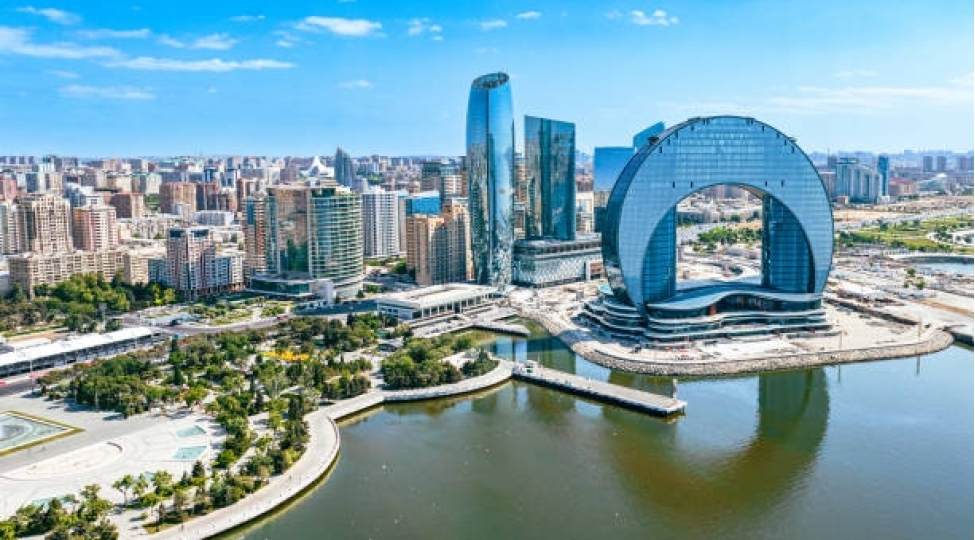
In the modern world, cities are no longer limited to being merely places where people live; they also function as major centers where social, cultural, and economic activities are concentrated. Therefore, the dynamics of urban development are considered one of the most relevant areas of contemporary urban studies. The acceleration of globalization and urbanization processes has made it necessary to more deeply examine issues related to the functional structure and development strategies of cities. As a result, the scientific study of urban planning and architectural environments has gained particular importance. In this context, urban planning and architecture serve as key factors that play a decisive role in improving the quality of urban environments, increasing the economic potential of cities, and expanding tourism opportunities. They are not limited solely to shaping physical spaces but are also regarded as important strategic tools that determine the social, economic, and cultural development directions of cities. Modern urban studies demonstrate that one of the main factors influencing the competitiveness of cities is the effective planning of urban spaces and the harmonious development of architectural environments.
The process of organizing urban territories functionally, shaping spatial structures, and determining future directions of urban development is generally expressed through the concept of urban planning. Within this process, residential areas, trade and service zones, transportation infrastructure, recreational spaces, and public activity areas are planned in an interconnected manner, ensuring the formation of cities as integrated urban systems. Architecture, in turn, plays a significant role in shaping the aesthetic and cultural character of urban spaces, as architectural examples not only define the visual identity of cities but also directly influence how people perceive them. At the same time, architectural monuments and historical urban structures are of great importance in preserving the cultural and historical identity of cities. From this perspective, urban planning and architecture are regarded not only as fields related to the organization of physical space but also as fundamental elements influencing the social and economic development of cities.
One of the fastest-growing sectors of the modern urban economy is the tourism industry, which is considered a major source of income for urban economies in many countries. The development of the tourism sector contributes to the expansion of hotels, restaurants, transportation services, trade facilities, and various service areas, thereby creating new economic opportunities and additional employment possibilities within urban economies. As a result, the development of the service sector accelerates and new jobs are created. In this regard, the interrelationship between tourism and urban planning is of particular importance.
Urban planning influences the development of the tourism industry in various ways. First of all, the aesthetically attractive and functionally convenient organization of the city’s physical environment is considered one of the key factors increasing tourists’ interest in a city. Wide pedestrian zones, parks, public squares, historical neighborhoods, and modern architectural examples encourage tourists to stay longer in cities and make use of different services, which ultimately contributes positively to tourism revenues and urban economic development.
On the other hand, urban planning also serves as an important factor in creating favorable conditions for the development of tourism infrastructure. The development of transportation systems and the strategic placement of airports, railway lines, hotels, and tourism facilities enable tourists to move comfortably within cities and make more efficient use of urban environments. In this regard, urban planning is regarded as an important strategic tool for tourism development.
One of the main factors playing a significant role in shaping the tourism potential of cities is their historical architectural heritage. Historical monuments, ancient streets, architectural complexes, and cultural landscape elements are considered among the most attractive tourism destinations in cities. In many cities around the world, one of the main directions of tourism strategies is the preservation and restoration of historical architectural heritage. Protecting historical city centers not only preserves the cultural identity of cities but also makes a major contribution to increasing their tourism attractiveness.
Today, the preservation of rich architectural heritage and its alignment with urban planning principles is regarded as one of the key directions of state policy. In this regard, the decree signed by the President of the Republic of Azerbaijan, Mr. Ilham Aliyev, on December 22, 2025, declaring 2026 as the “Year of Urban Planning and Architecture” in Azerbaijan, is of great importance in terms of reassessing urbanization processes in the country. This decision is not limited solely to city planning but also aims to accelerate the socio-economic development of regions, ensure balanced population distribution, and establish a sustainable development model. The focus of urban planning policy is no longer only the capital city but also the effective utilization of the potential of all regions of the country.
The adoption of this decision aims to provide new impetus to the development of urban planning and architecture. The decree states that Azerbaijani cities, possessing rich architectural and urban planning traditions, have historically played an important role in the economic and cultural life of the country. Within the framework of this initiative, it is planned to organize various events, scientific conferences, and exhibitions in the field of urban planning and architecture, preserve architectural heritage, and further improve urban development strategies.
The potential impacts of this decision may manifest in several directions. First of all, the increase in projects implemented in the field of urban planning and architecture may contribute to the development of urban infrastructure and improve the quality of urban environments. The expansion of parks and public spaces, modernization of transportation systems, and implementation of new urban projects may make cities more attractive both for living and tourism.
The preservation of architectural heritage is another important impact of this decision. The restoration and rehabilitation of historical monuments not only help preserve the cultural identity of cities but also significantly contribute to enhancing their tourism potential. Historical architectural monuments are considered major tourist attractions, and their preservation guarantees the long-term development of the tourism industry.
The third important impact is reflected in the economic sphere. The implementation of urban planning projects contributes to the development of the construction sector, attraction of new investments, and expansion of the service sector. This process increases the economic activity of cities and creates favorable conditions for their transformation into regional economic centers.
The concrete results of these processes can also be observed in Azerbaijani cities. Particularly in recent years, urban planning projects have transformed the capital city of Baku into one of the region’s major tourism and economic centers. The harmonious combination of preserving historical architectural heritage with modern architectural examples has played an important role in the city’s development. For example, the ancient part of the city, Icherisheher, is considered one of Azerbaijan’s most significant historical and architectural complexes, where ancient residential houses, caravanserais, and defensive walls preserve the city’s historical urban structure and make a significant contribution to the development of cultural tourism.
At the same time, Baku’s modern architectural projects also play an important role in shaping the city’s international tourism image. In this regard, the Flame Towers complex, regarded as one of the symbols of the city, represents a remarkable example of modern architecture and urban design. Likewise, the Heydar Aliyev Center, distinguished by its innovative architectural form, has significantly contributed to the city’s international recognition and increased tourism interest.
Urban planning and architecture also play an important role in tourism development in other Azerbaijani cities. The city of Shusha, located in the Karabakh region, is known for its rich architectural heritage and cultural monuments, and the restoration projects implemented there not only preserve architectural heritage but also contribute to increasing tourism potential.
In modern urban development strategies, the principles of sustainable urban planning hold particular importance. The expansion of green zones, preservation of ecological balance, development of pedestrian and bicycle infrastructure, and optimization of public spaces increase the attractiveness of cities both for residents and tourists. The formation of sustainable urban environments creates more comfortable and safer urban spaces for tourists.
Urban planning and architecture are among the key strategic factors influencing the tourism and economic development of cities. Declaring 2026 as the “Year of Urban Planning and Architecture” in Azerbaijan demonstrates the importance attached to this field at the state level and creates significant opportunities for implementing urban development policies in a more systematic and purposeful manner. The preservation of historical architectural heritage, implementation of modern urban projects, and improvement of urban environments will not only increase the tourism attractiveness of Azerbaijani cities but also contribute to the country’s long-term economic development.
Gulnar Nasirova
Lecturer, Department of Economics
Mingachevir State University