



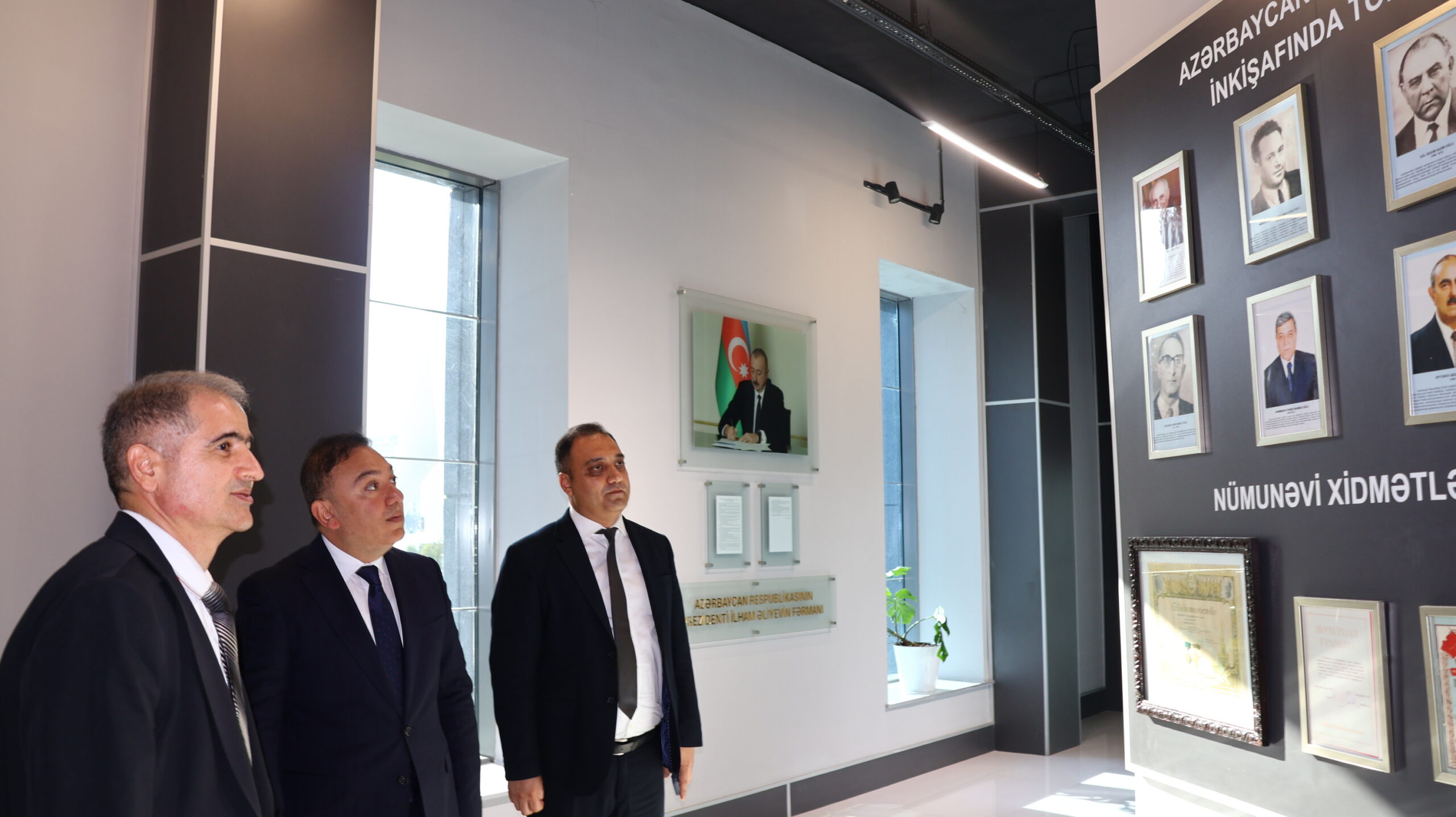
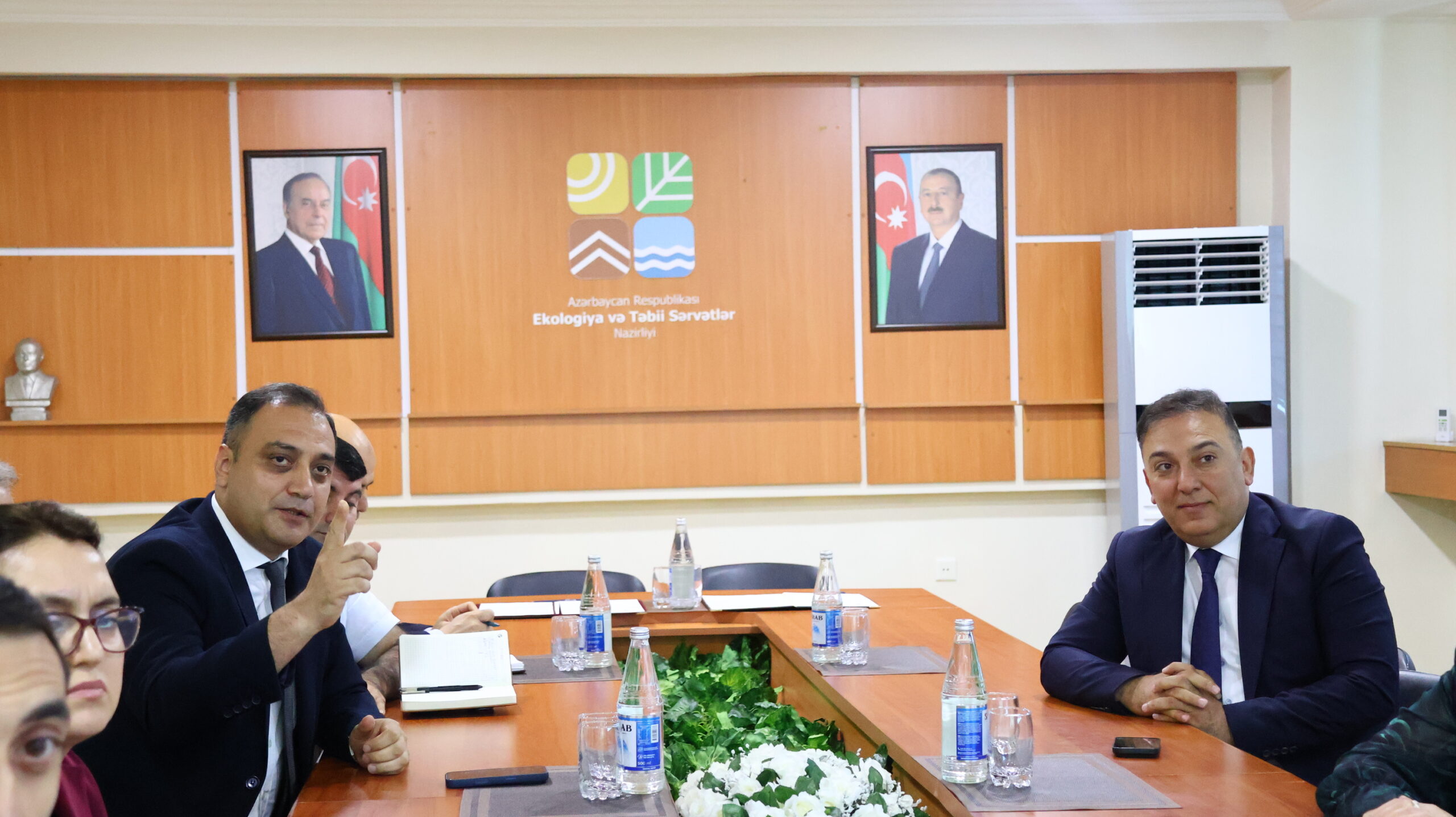
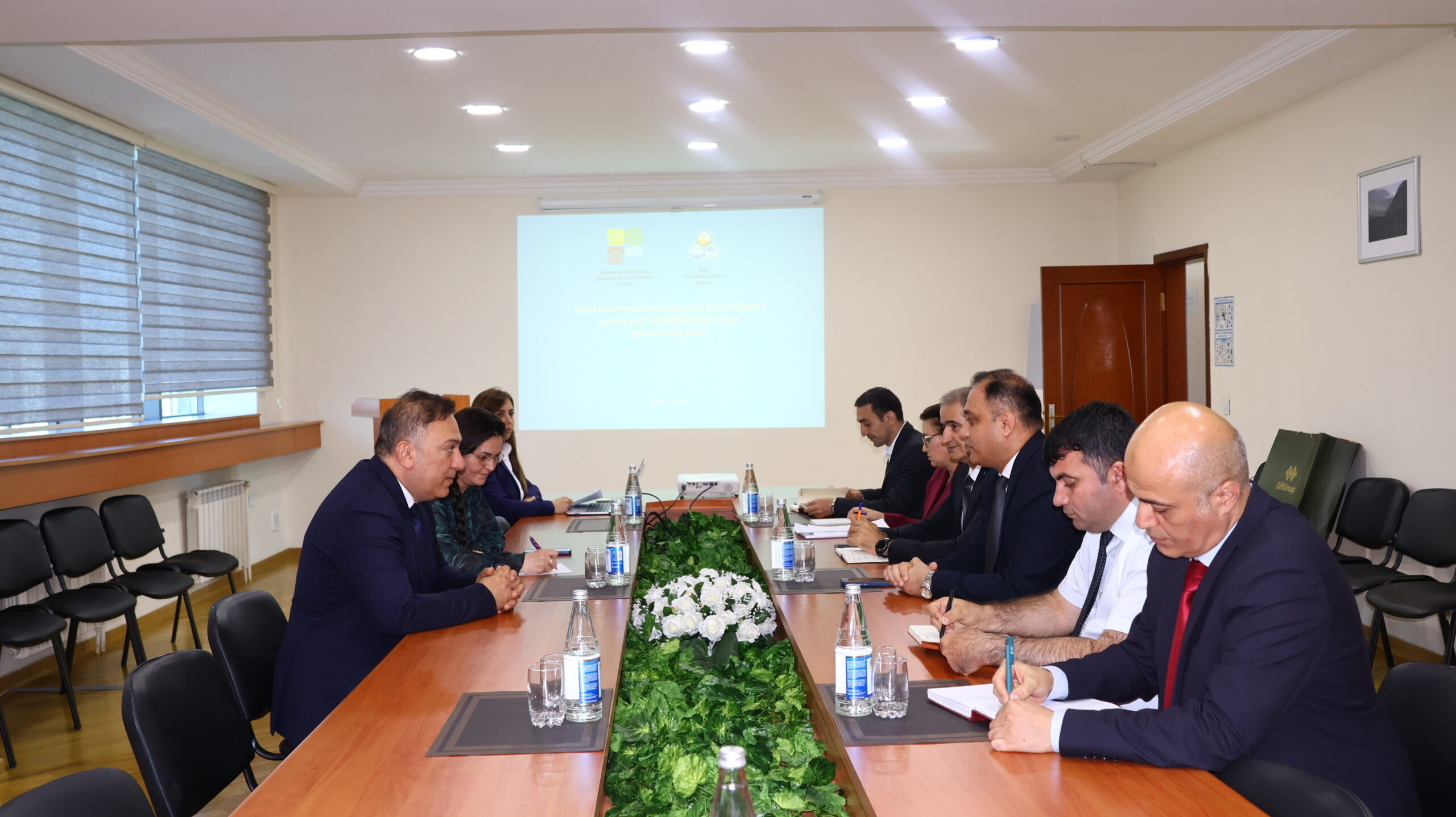
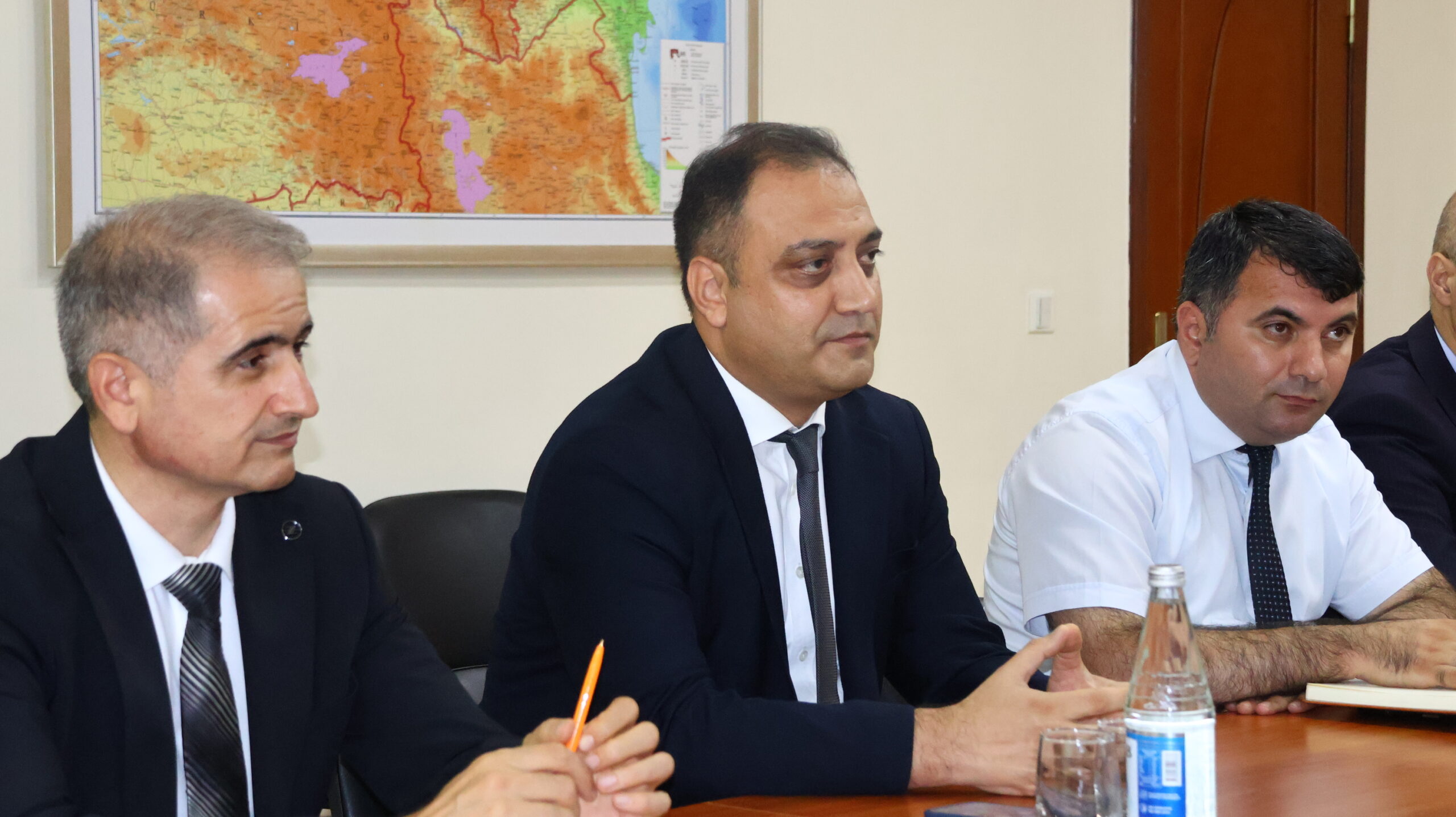
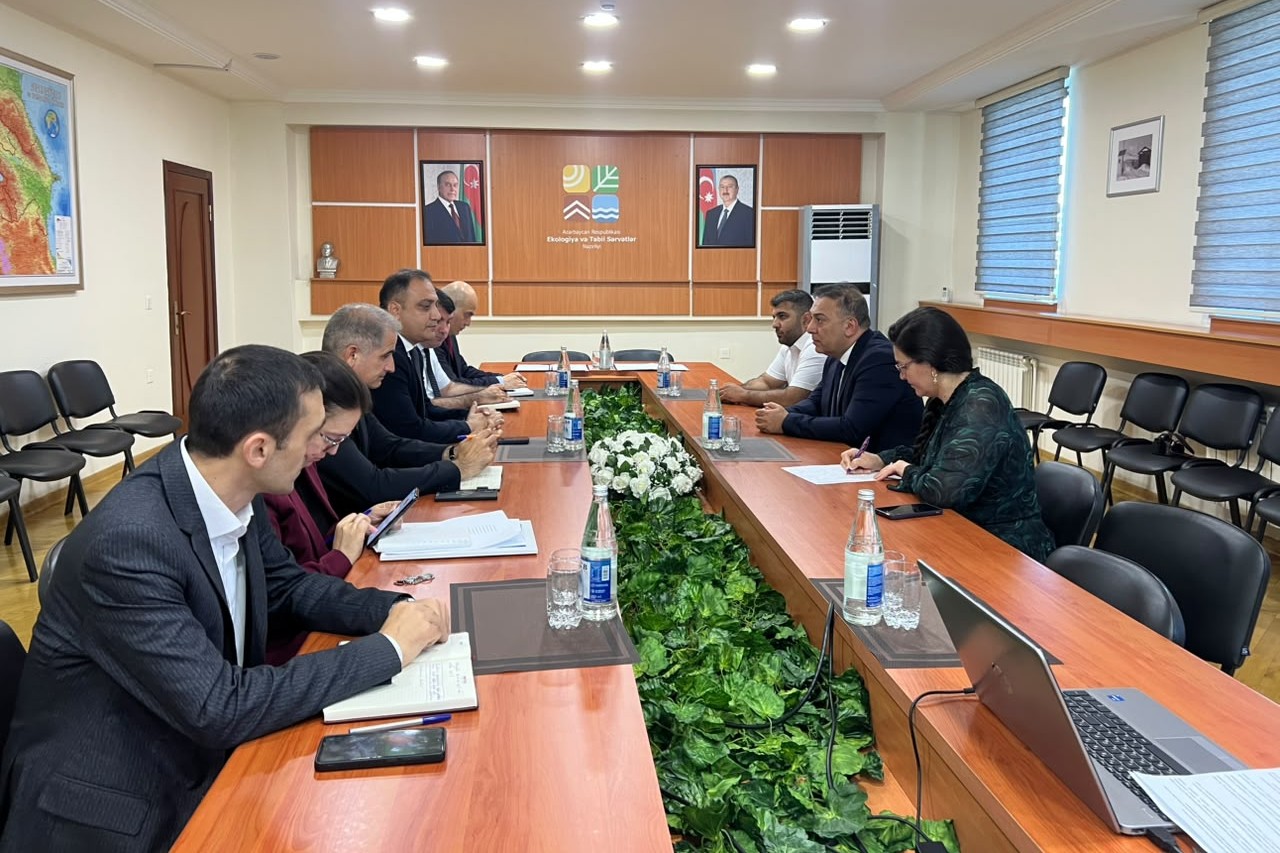
On July 13, 2026, a delegation led by Anar Eminov, Rector of Mingachevir State University, visited the National Hydrometeorological Service under the Ministry of Ecology and Natural Resources of the Republic of Azerbaijan.
The delegation from Mingachevir State University was received by representatives of the National Hydrometeorological Service led by its Head, Nazim Mahmudov.
During the meeting, the parties discussed the development of cooperation between the University and the Service in education, scientific research, meteorology, climate change, climate services, early warning systems, the digital processing of meteorological data, and the training of highly qualified professionals.
Anar Eminov, Rector of Mingachevir State University, stated that the University attaches particular importance to training specialists in line with the modern demands of the labour market, strengthening the practical content of academic programmes, and directing scientific research towards addressing real-world challenges.
The Rector noted that climate change, extreme weather events, water and energy security, the green economy, and digital data analysis are among the major scientific and socioeconomic challenges of the modern era. From this perspective, cooperation with the National Hydrometeorological Service will create new scientific and practical opportunities for the University’s undergraduate and graduate students, doctoral candidates, and researchers.
Anar Eminov emphasised the importance of developing the practical knowledge and skills of students studying ecology, environmental sciences, energy, information technology, economics, and other related fields in meteorology and climate services. It was noted that the cooperation will include the organisation of industrial placements and research internships for students, the involvement of professionals in the teaching process, and the delivery of joint seminars, training sessions, and masterclasses.
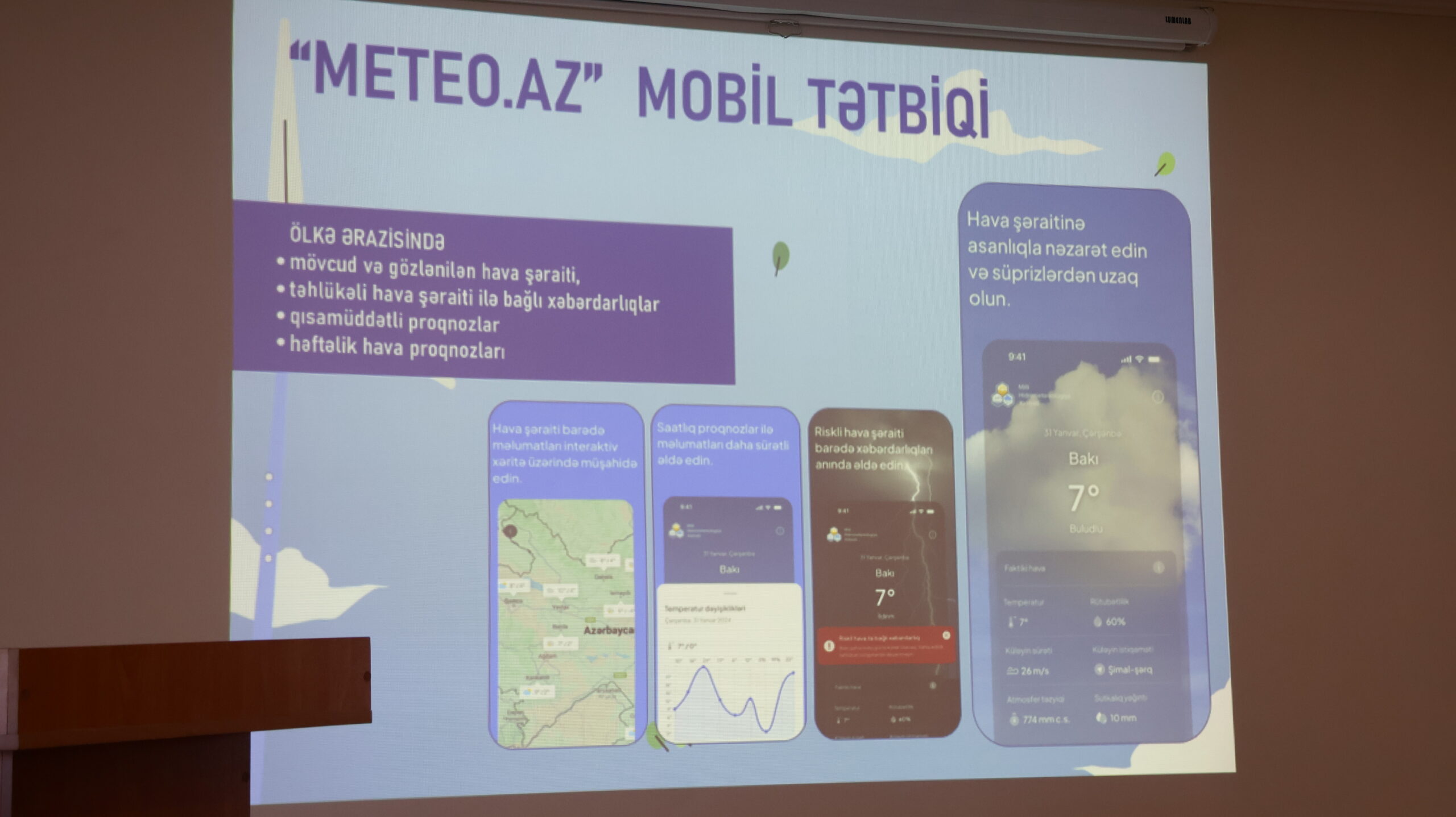
Nazim Mahmudov, Head of the National Hydrometeorological Service, provided information about the work being carried out in Azerbaijan in the areas of hydrometeorological observations, weather forecasting, climate-process monitoring, the assessment of hazardous hydrometeorological events, and the development of early warning systems.
Nazim Mahmudov highlighted the importance of cooperation with universities in integrating scientific knowledge with practical activities, training young professionals, and applying modern technologies in hydrometeorological services. He stated that cooperation with Mingachevir State University would be particularly beneficial for studying regional climate data, expanding scientific and applied research, and supporting the professional development of students.
The meeting also addressed opportunities for jointly studying the effects of climate change in the Kura River basin, meteorological processes, extreme weather events, regional climate risks, and their socioeconomic consequences. The importance of using modern digital technologies, data analytics, modelling, and forecasting methods in these studies was emphasised.
In this regard, cooperation is expected to be established between the newly founded Sustainable Energy and Engineering Systems Research Institute under Mingachevir State University and the relevant structural divisions of the National Hydrometeorological Service. Tünzala Babayeva, Director of the Institute, and specialists from the National Hydrometeorological Service will prepare a joint action plan covering research in the Kura River basin, data exchange, scientific events, and project initiatives.
The main priorities of the joint action plan will include assessing climate risks in the Kura River basin, studying the regional impacts of hazardous weather events, digitally processing meteorological data, involving students and young researchers in scientific projects, and presenting the results in the form of scientific articles, reports, and analytical materials.
The parties also exchanged views on the possibility of establishing a “Green Climate Fund” to support student, research, and innovation initiatives in the fields of climate change and green development. It was noted that the Fund could contribute to supporting projects developed by young researchers, climate-awareness activities, green innovation ideas, and scientific studies conducted in the regions.
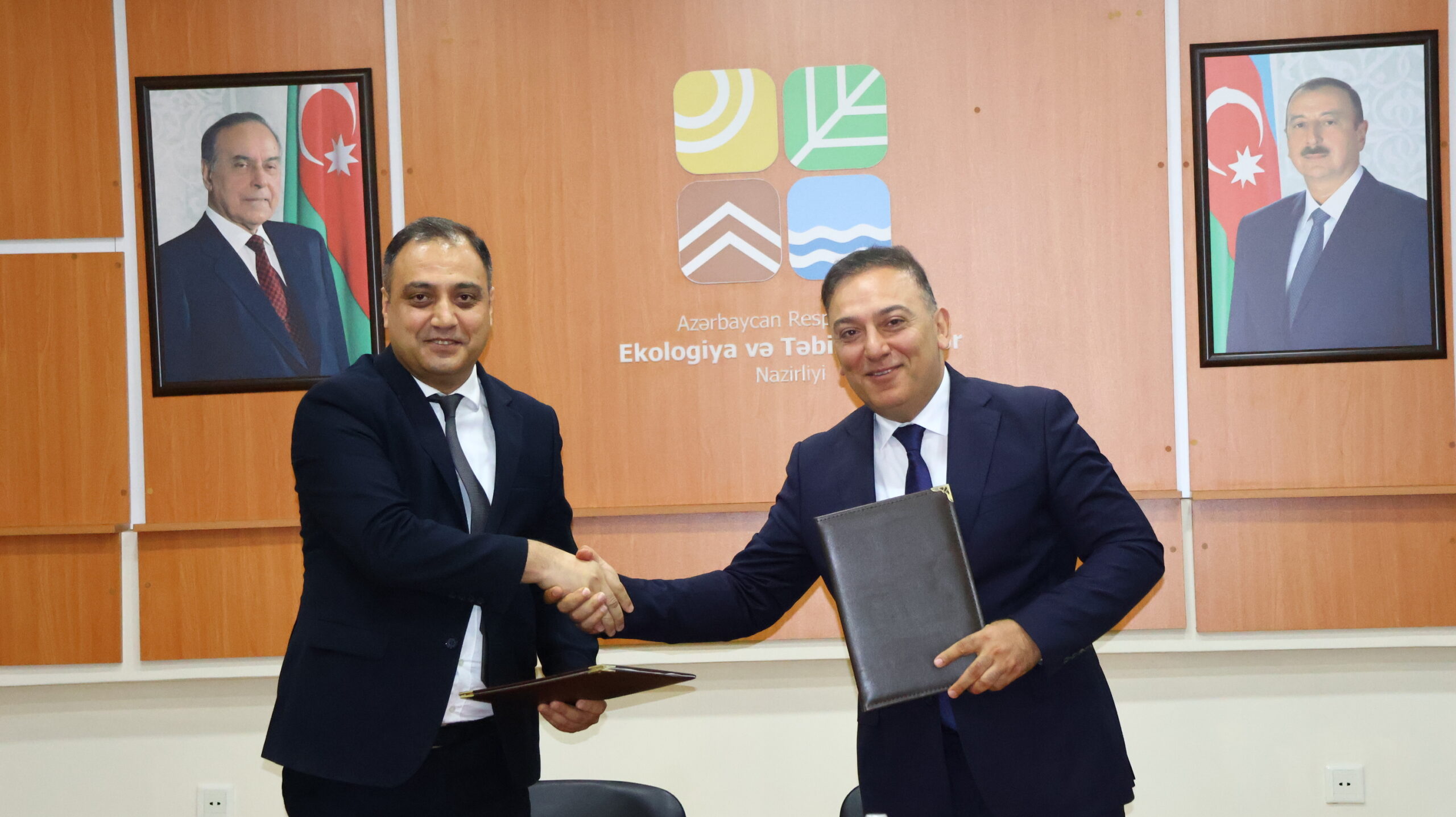
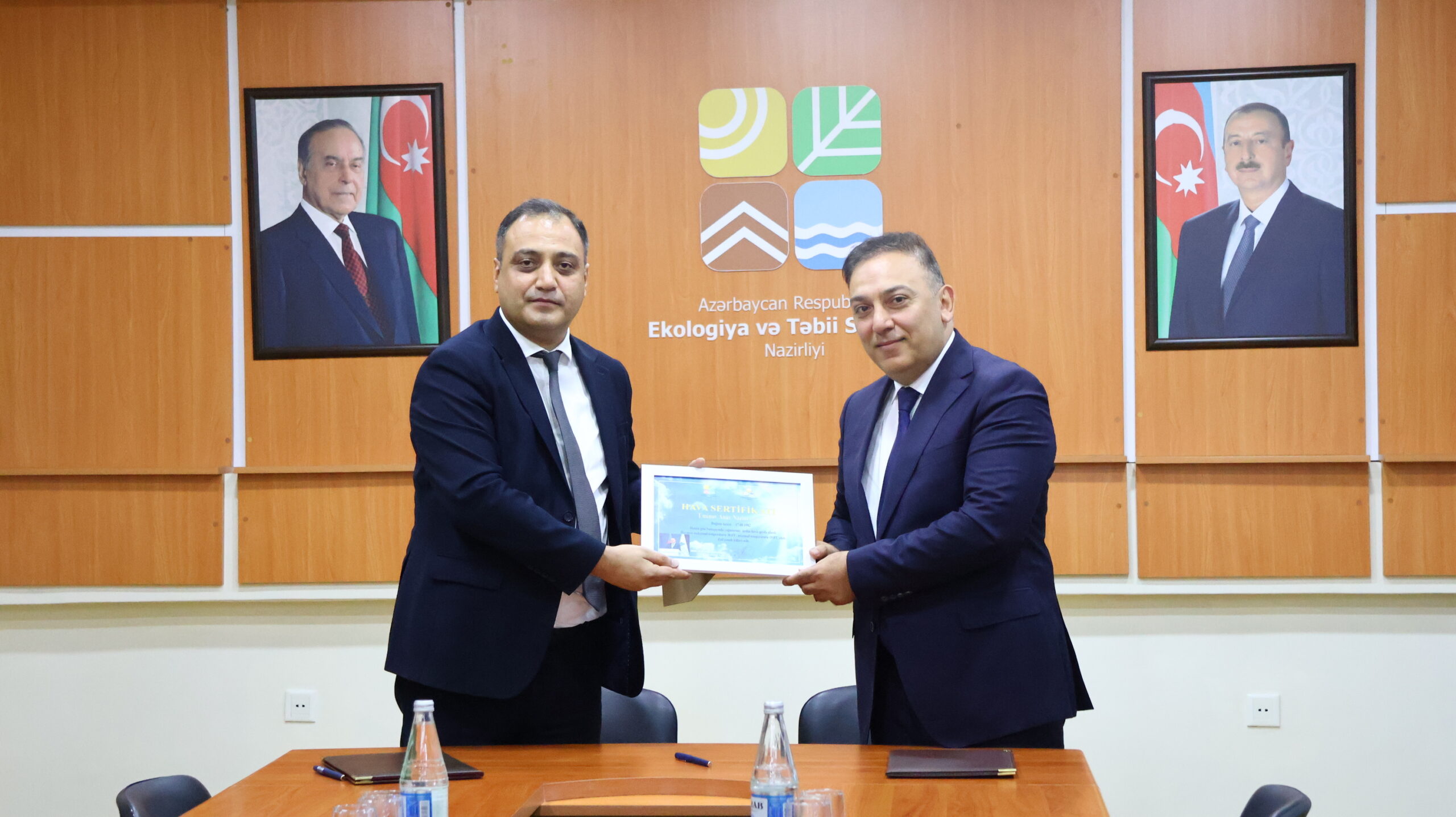
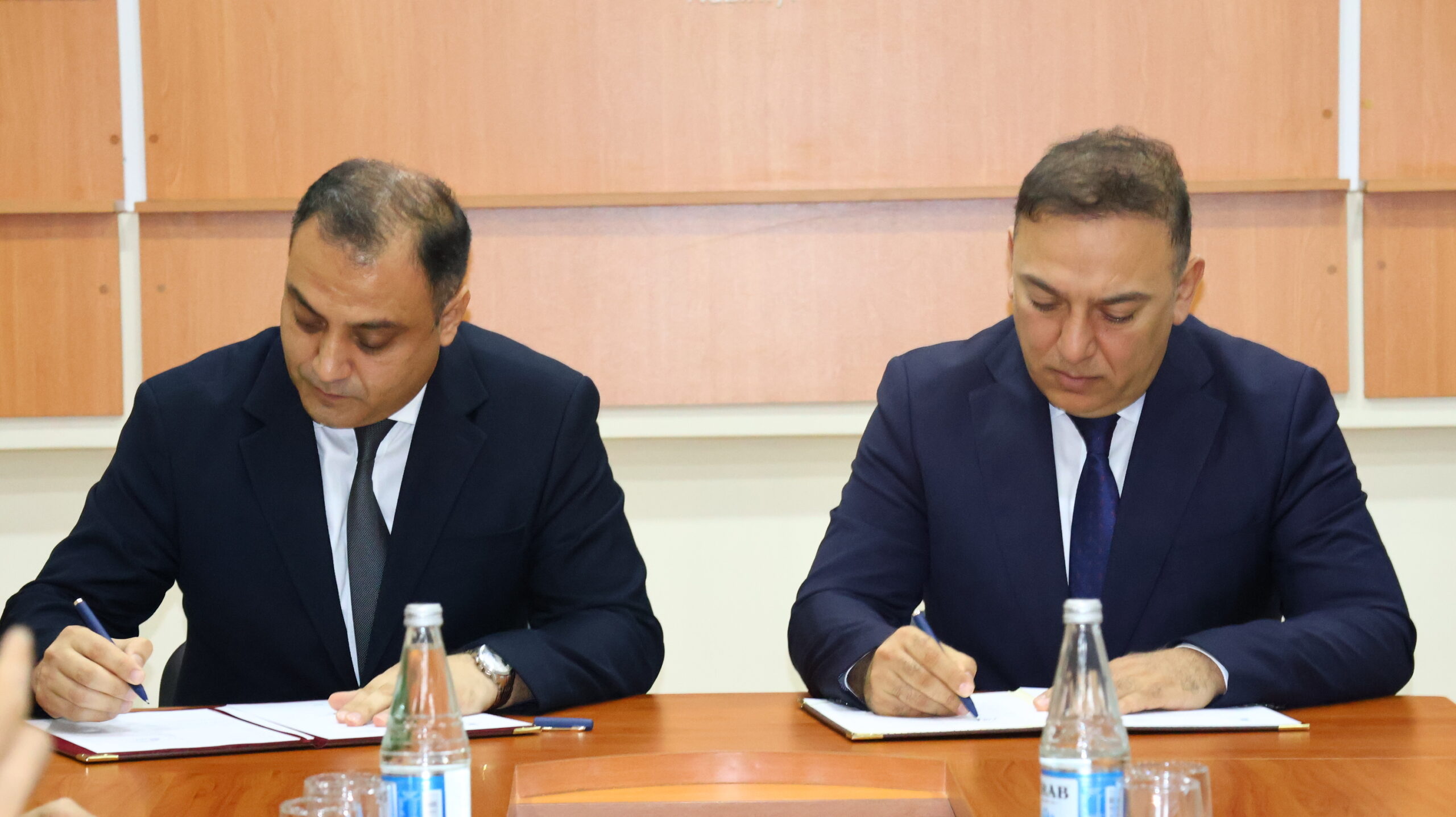
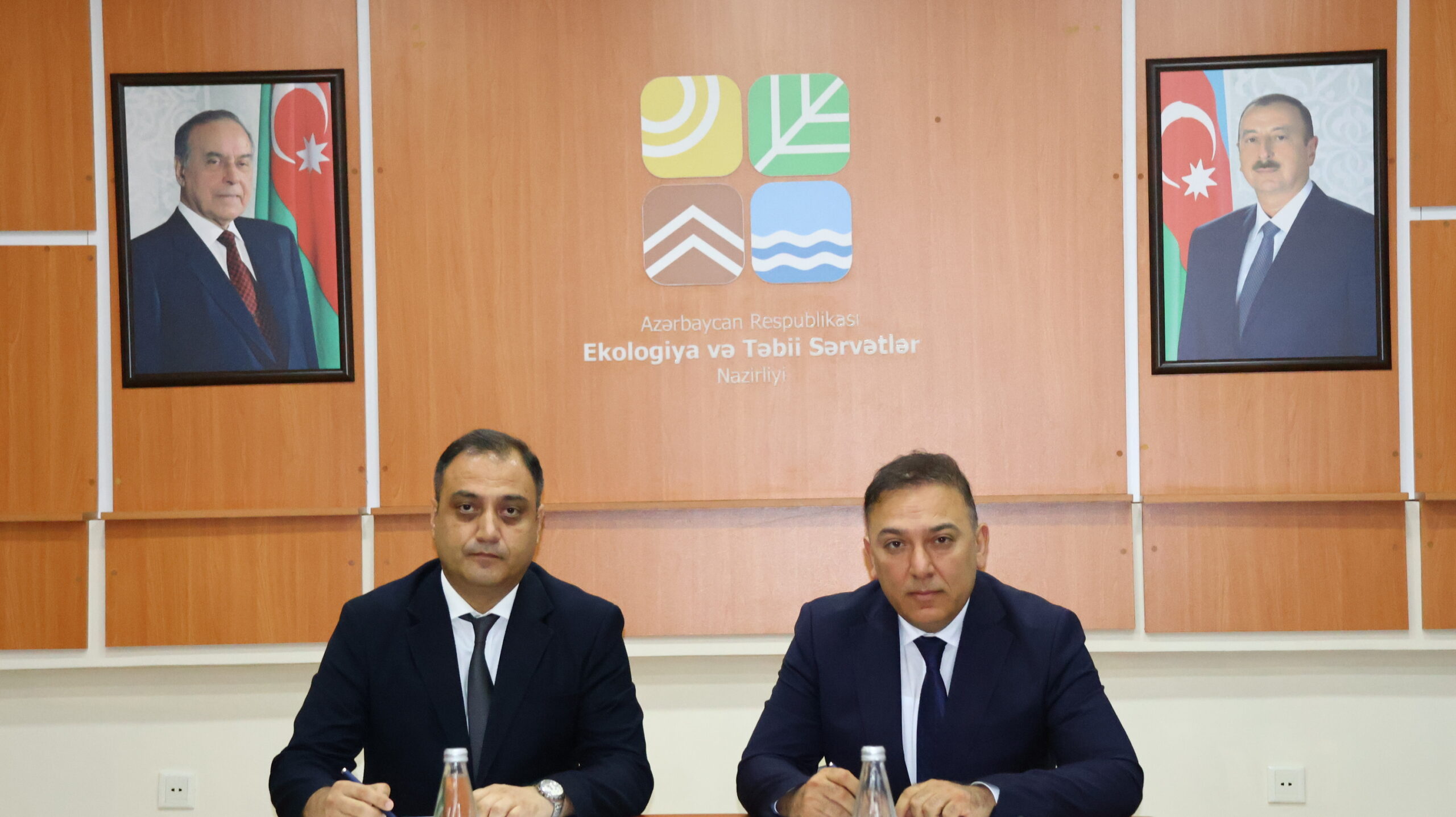
At the conclusion of the meeting, a Memorandum of Cooperation was signed between the two institutions by Anar Eminov, Rector of Mingachevir State University, and Nazim Mahmudov, Head of the National Hydrometeorological Service.
The Memorandum covers the organisation of internship programmes, training sessions, and seminars; support for the professional development of students and young specialists; the application of digital solutions for processing and analysing meteorological data; the development of observation, forecasting, and early warning systems; and the implementation of joint scientific and applied projects, as well as national and international initiatives.
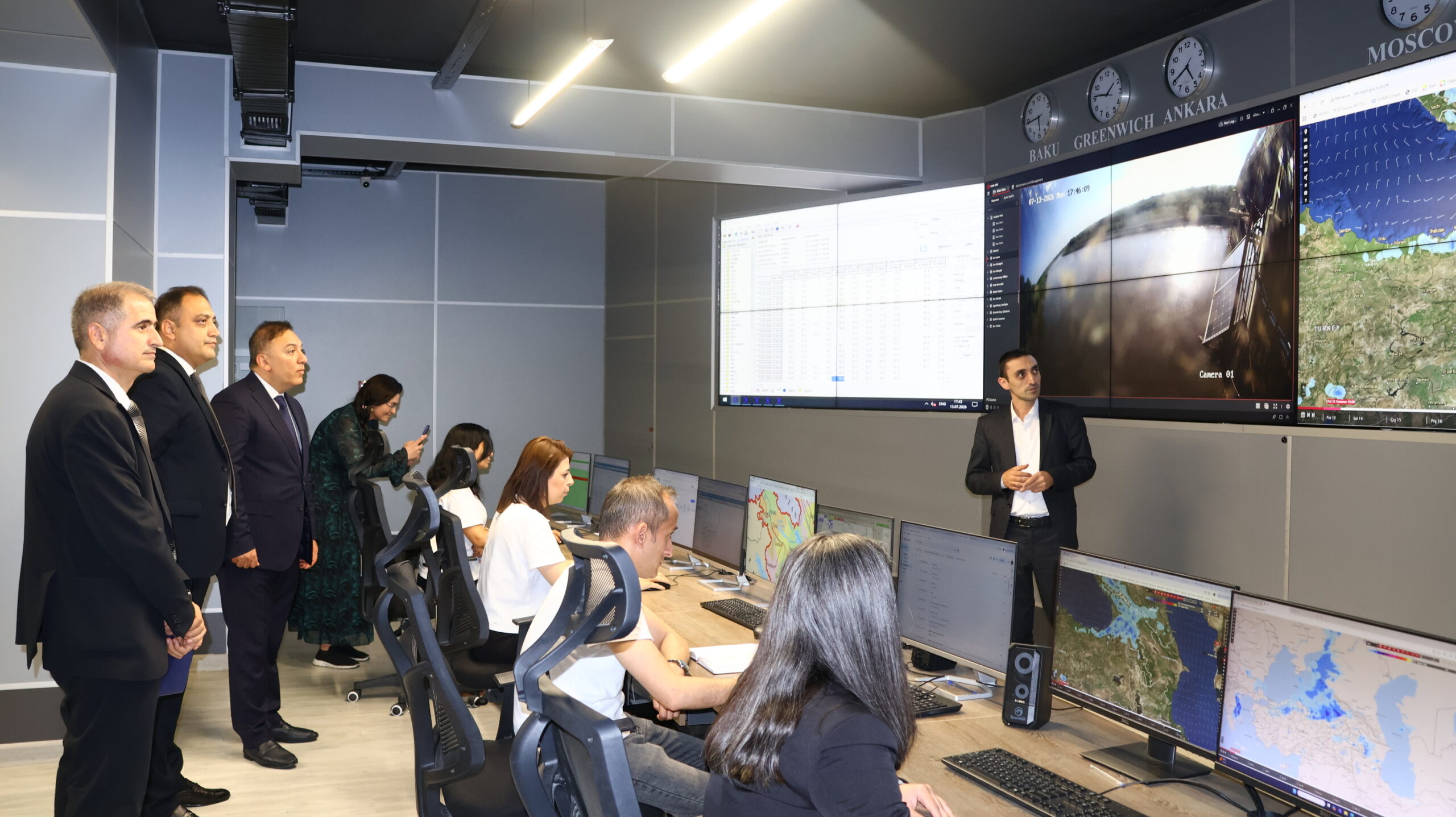
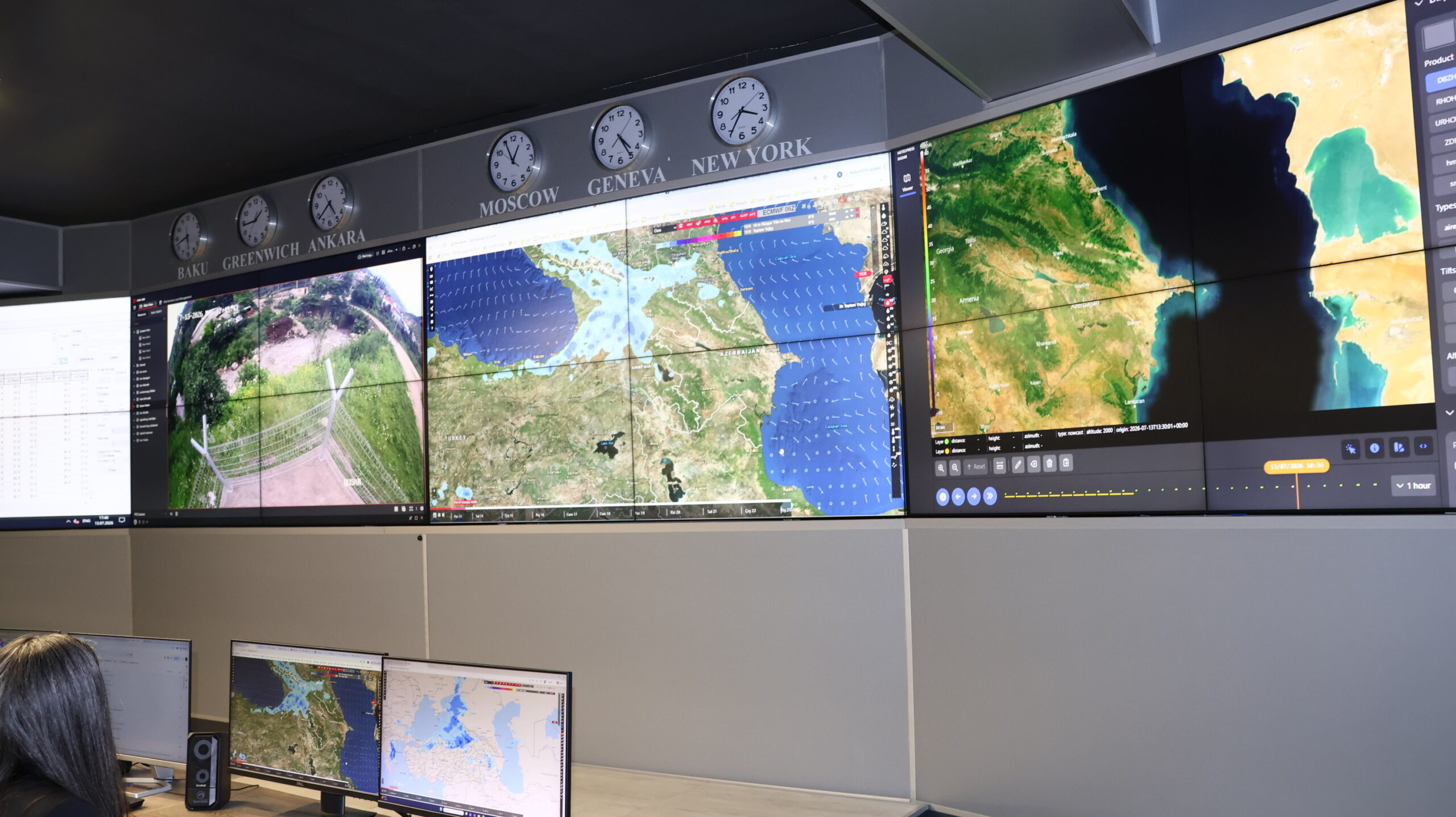
As part of the visit, the delegation from Mingachevir State University also familiarised itself with the activities of the Situation Centre of the National Hydrometeorological Service.
The delegation was informed about the real-time collection, processing, and analysis of meteorological data received from observation stations, the monitoring of atmospheric processes, the preparation of weather forecasts, the identification of hazardous hydrometeorological events, and the issuance of early warnings.
The Situation Centre demonstrated the visualisation of data through modern digital systems, the comparative analysis of various meteorological indicators, and mechanisms supporting decision-making. The Centre’s activities were of particular interest in terms of enabling students to acquire practical knowledge in meteorological data analysis, digital mapping, forecasting, and climate-risk assessment.
The signed Memorandum is expected to contribute to the establishment of long-term and results-oriented cooperation between Mingachevir State University and the National Hydrometeorological Service, the integration of science, education, and practical activities, and the expansion of joint research into the region’s climate and sustainable-development challenges.