

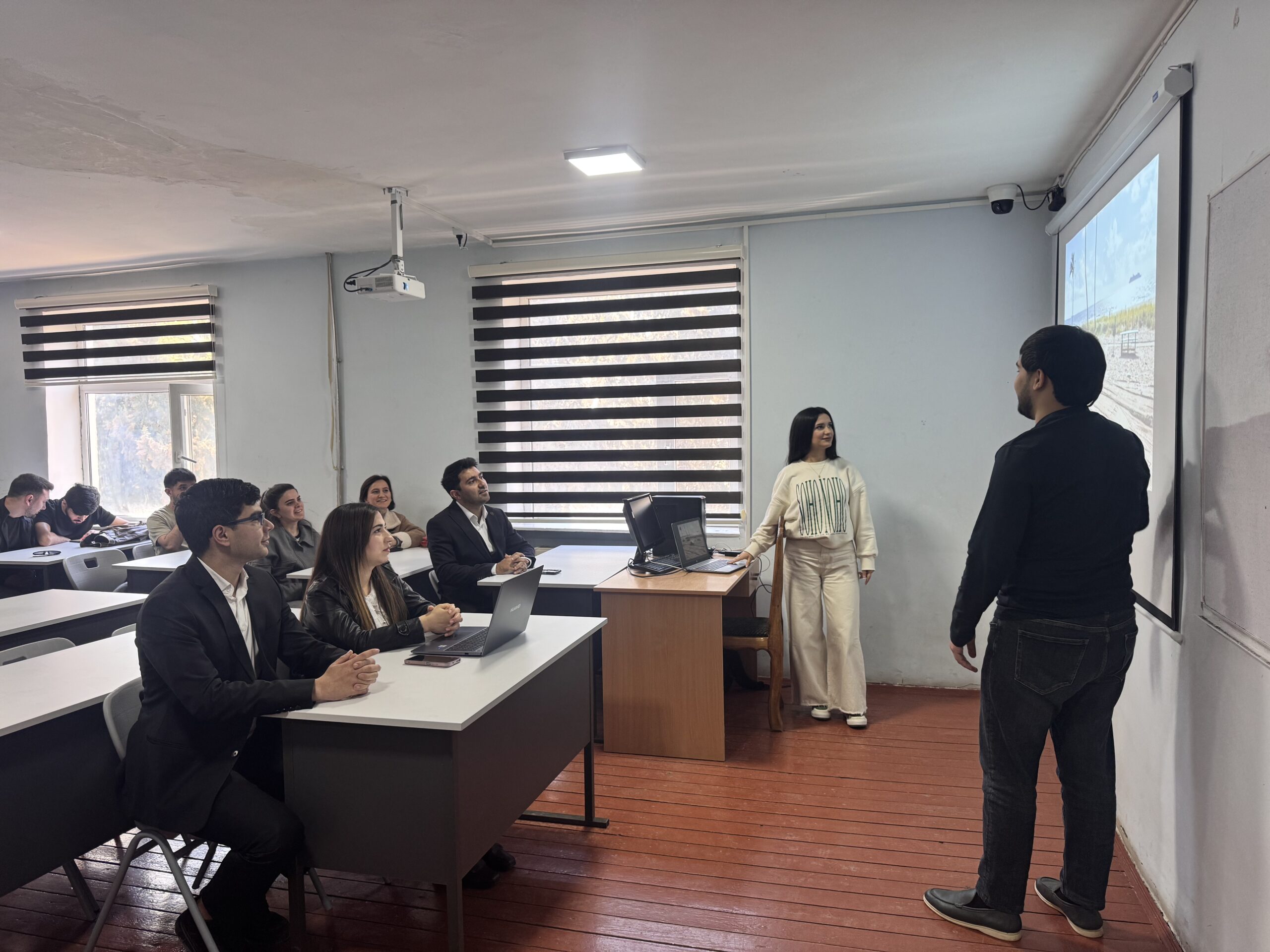
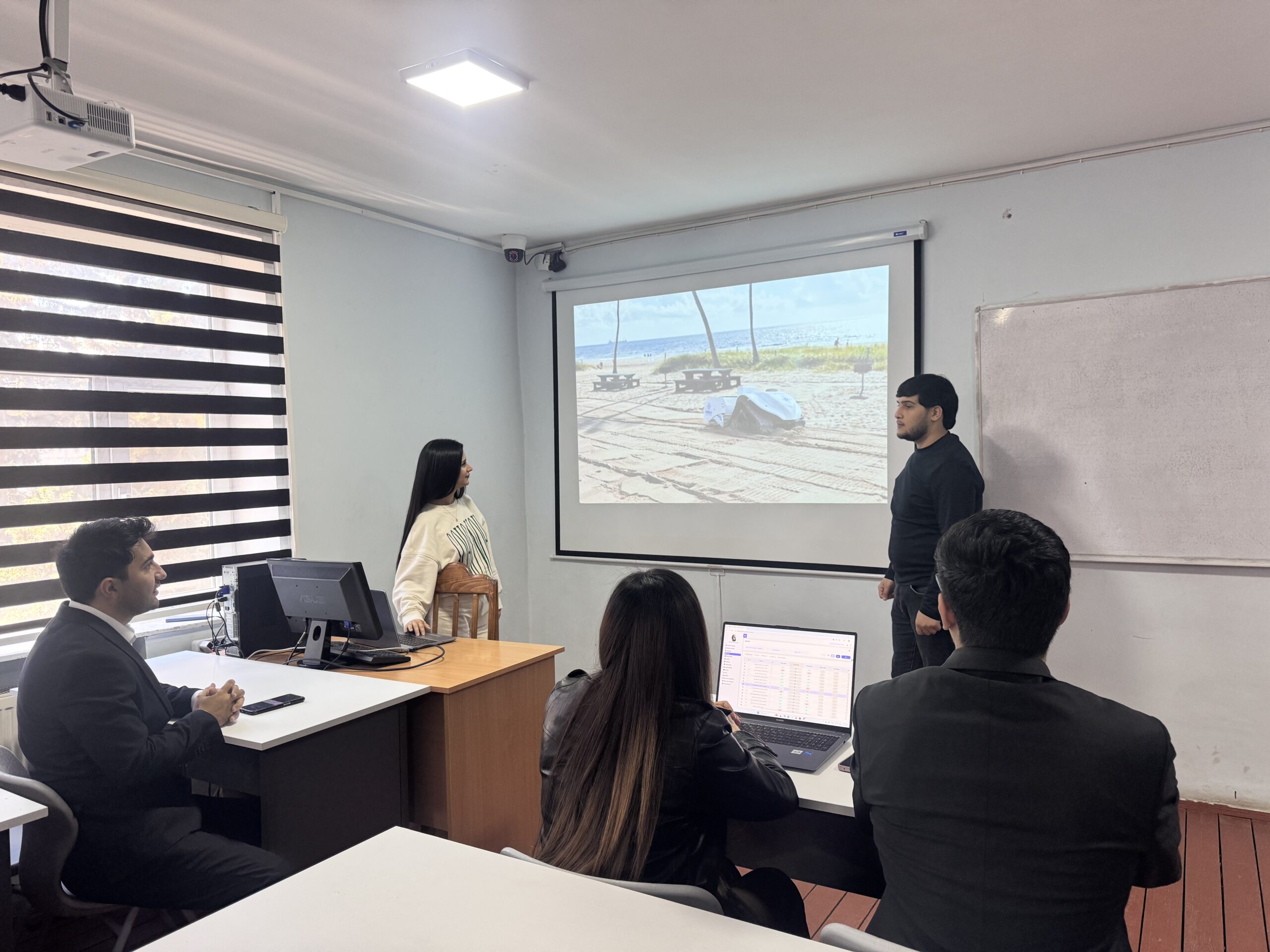
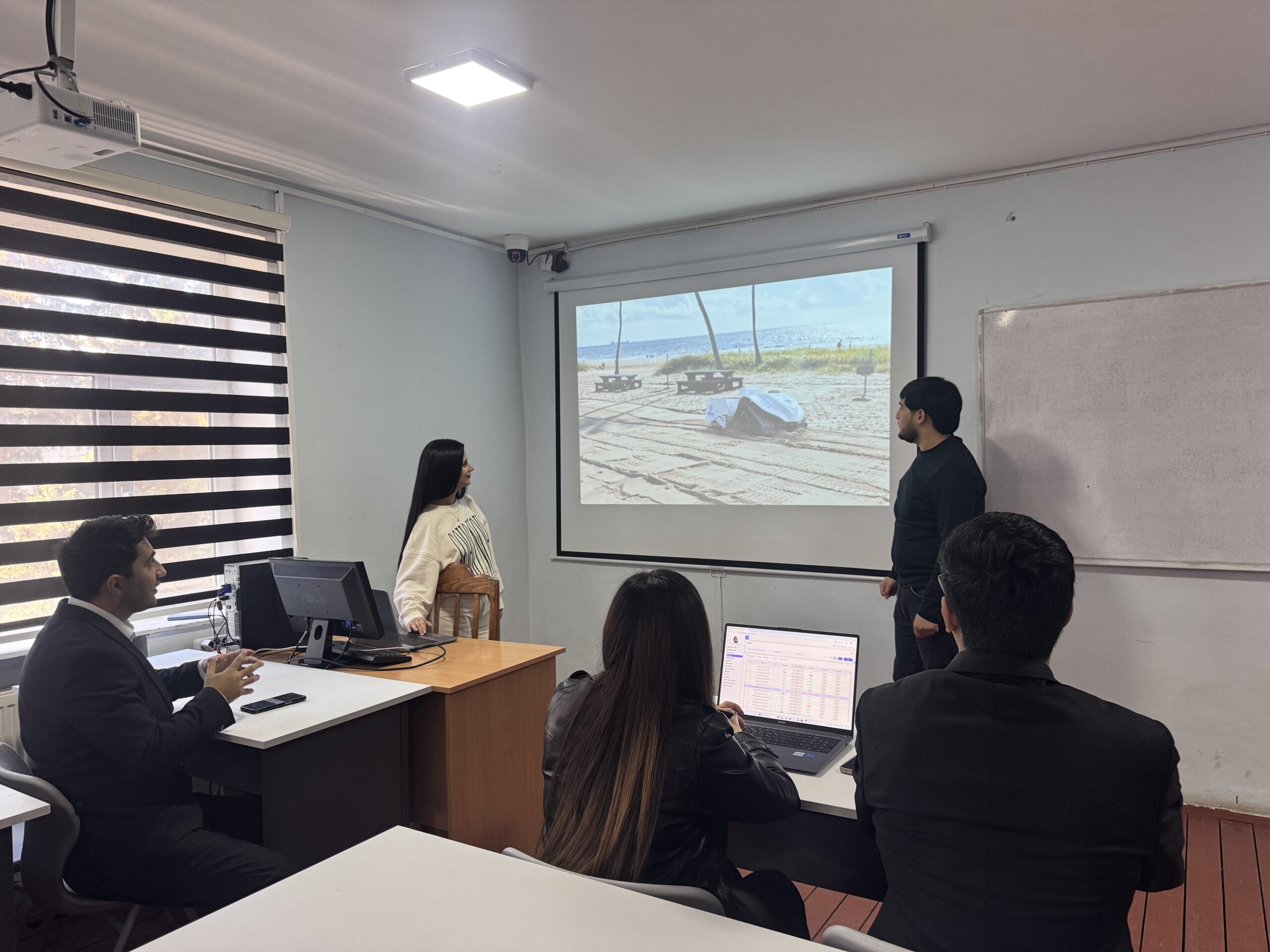
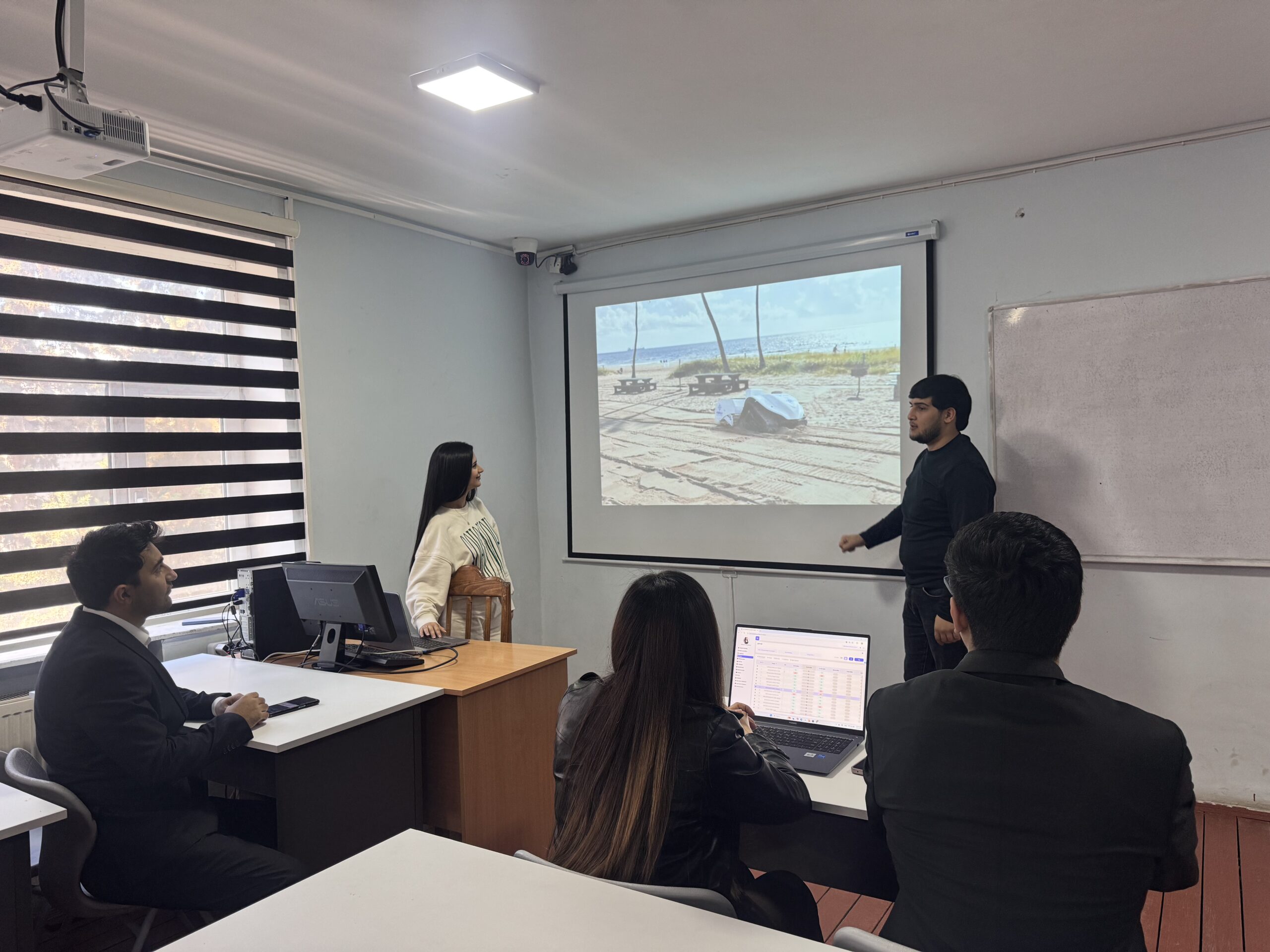
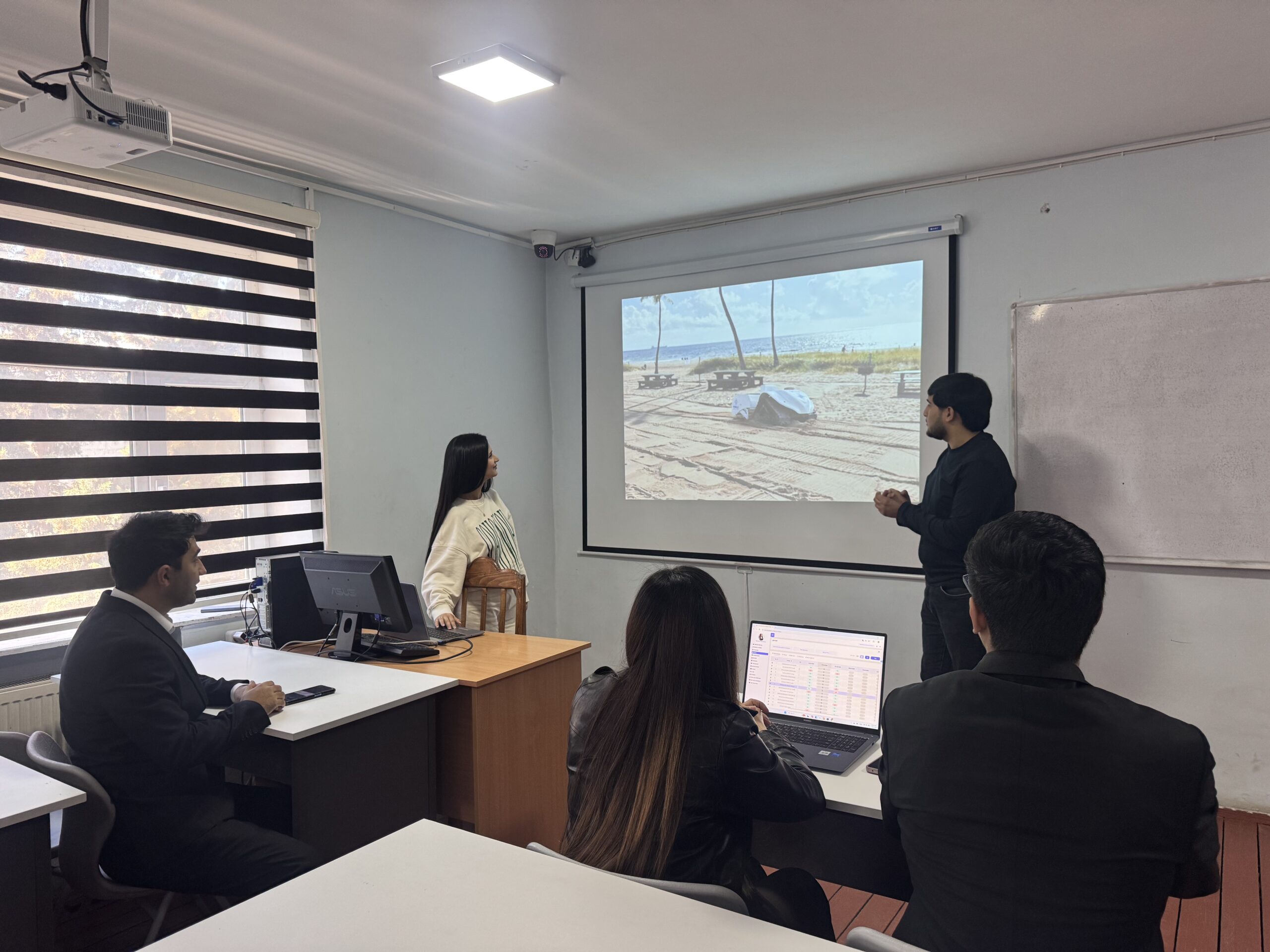
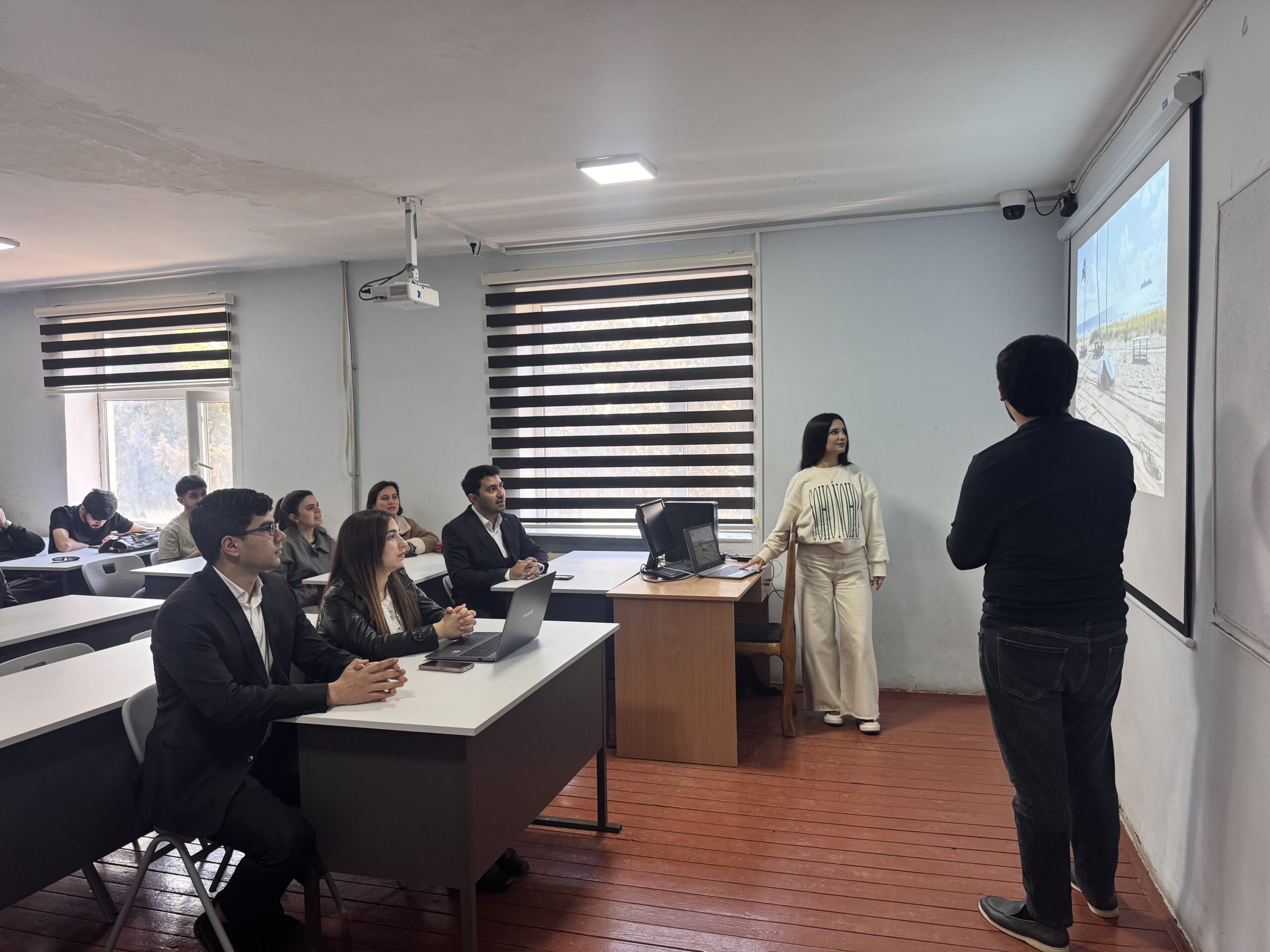
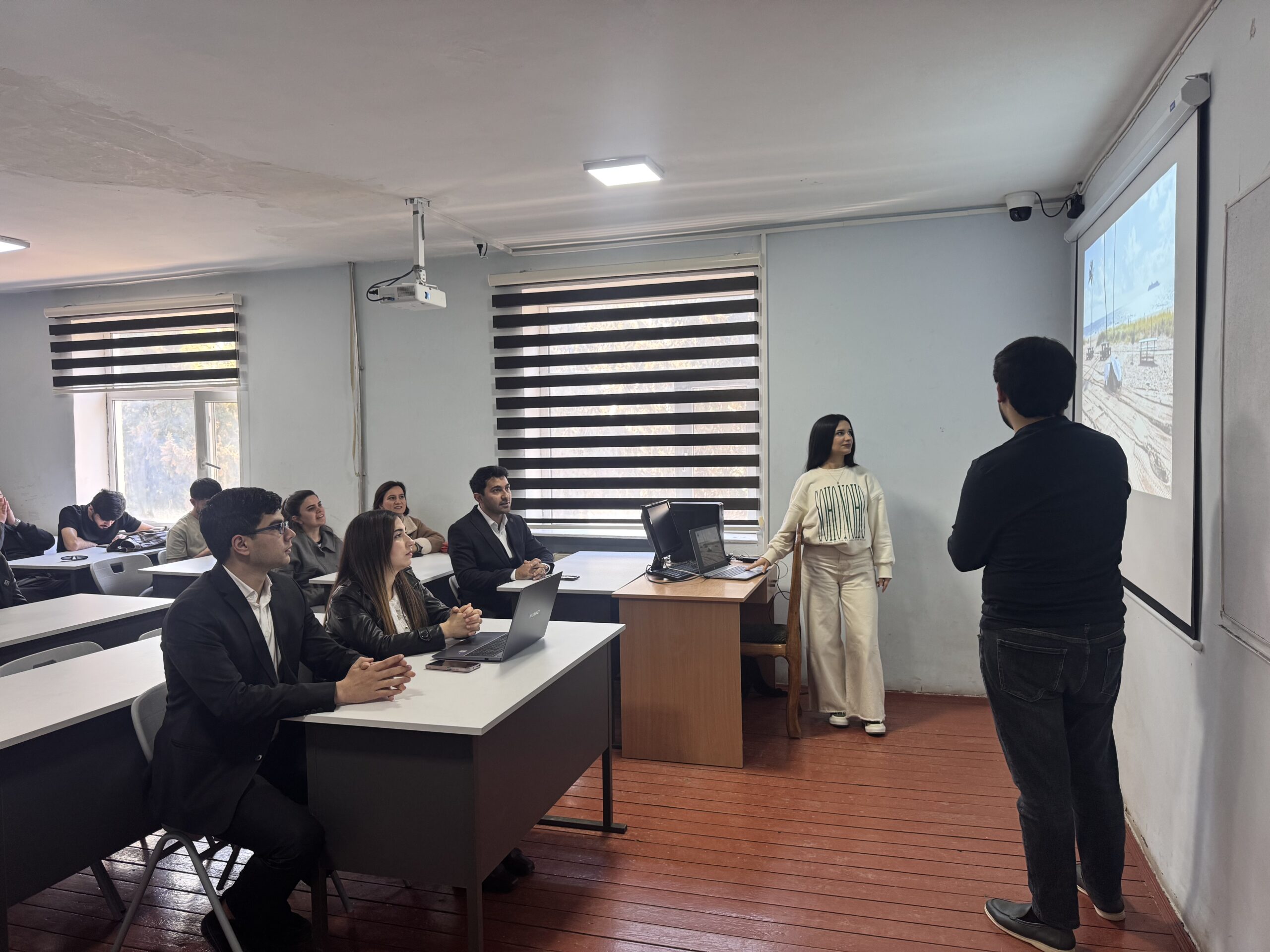
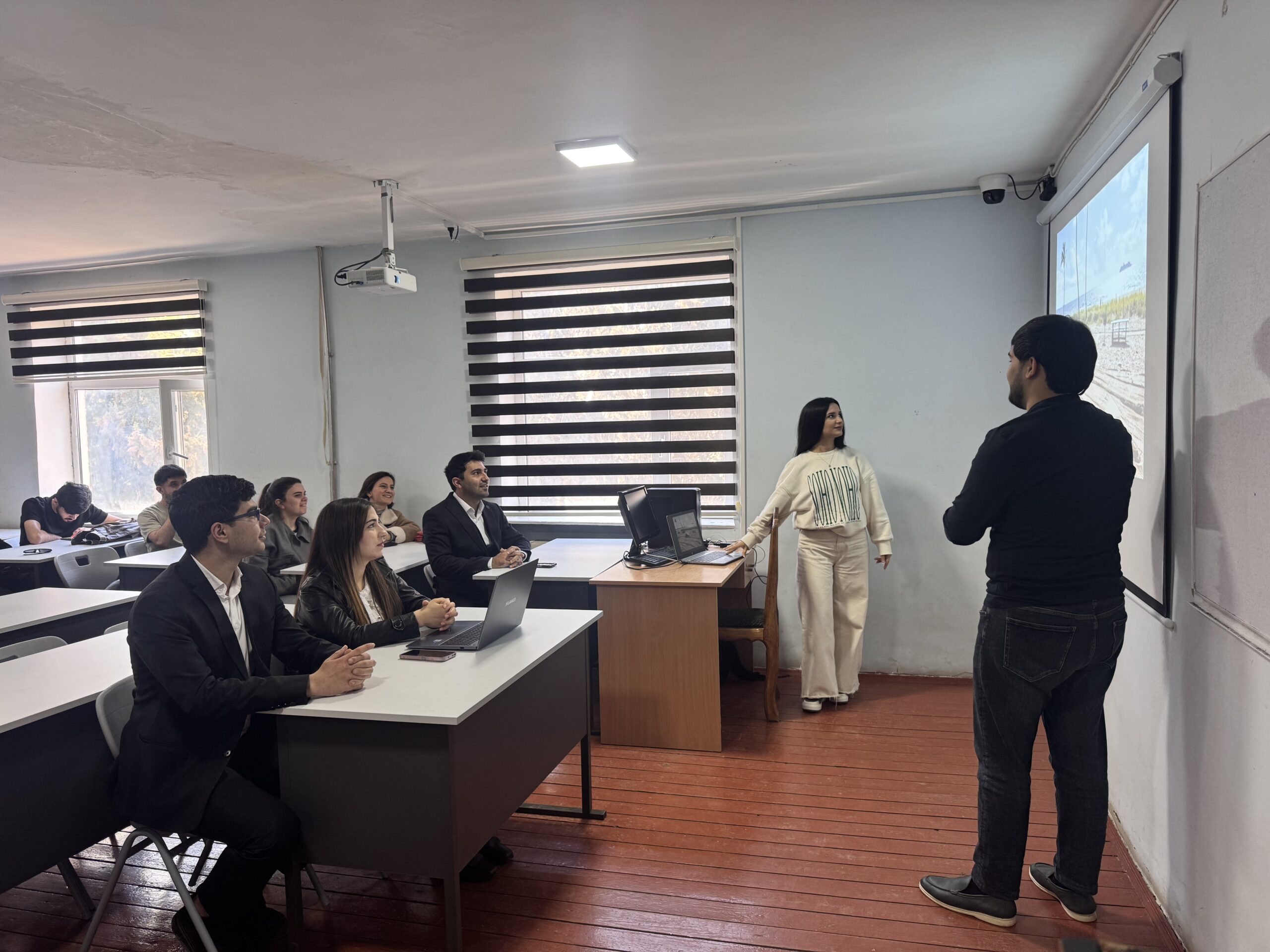
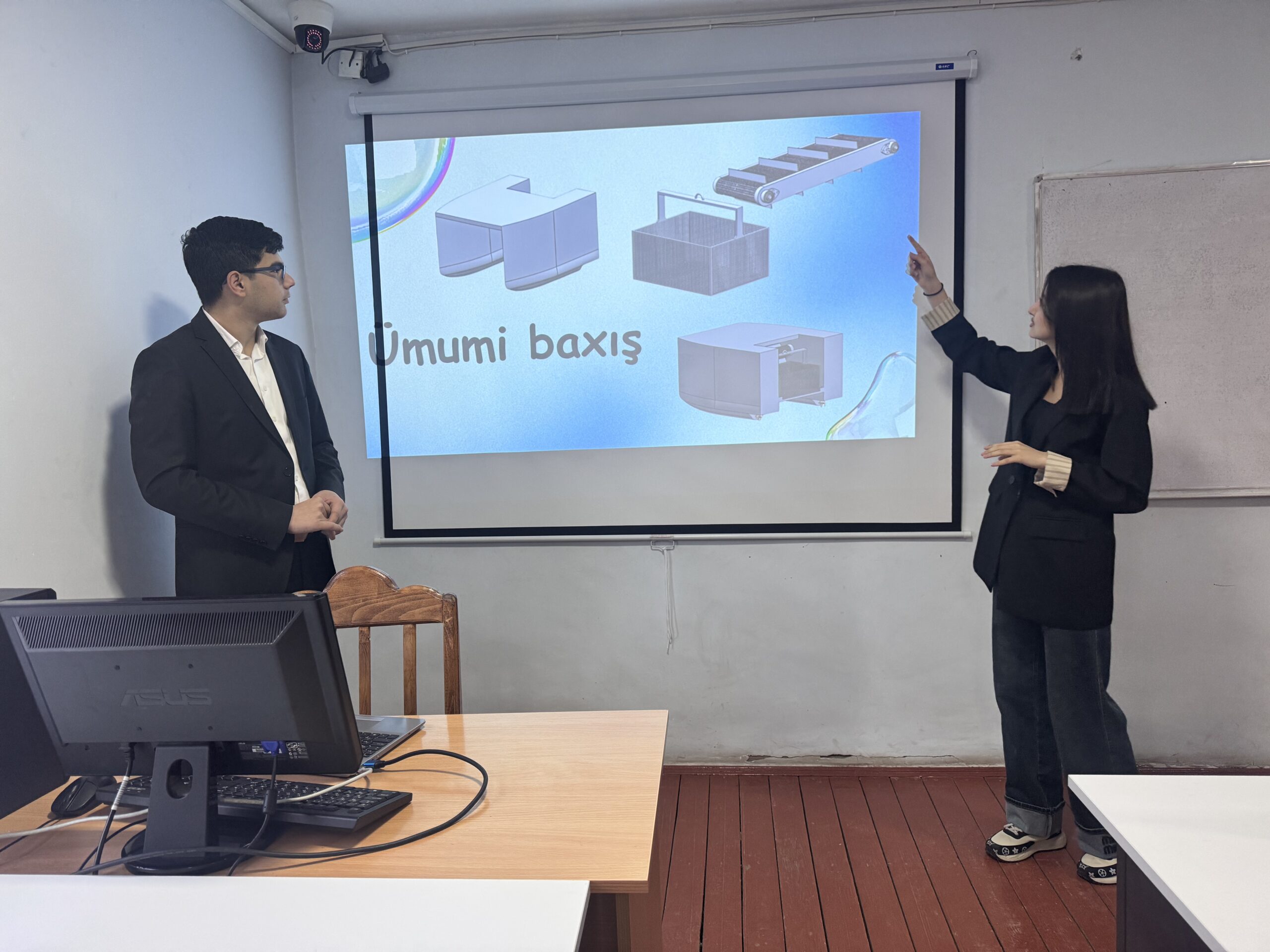
Mingachevir State University held a recreation hackathon titled “Sustainability of Coastal Ecosystems” with the aim of ensuring the ecological protection of coastal zones, promoting their sustainable use, and developing their recreational potential through innovative approaches. The event was jointly organized by the Lifelong Learning School, the Department of Energy, the Department of Natural Sciences, and the Department of Mechanics.
Within the framework of the hackathon, participants analyzed existing challenges in coastal ecosystems, including environmental pollution, biodiversity loss, improper use, and inefficient management of recreational areas, and worked on innovative solutions in this field. Teams developed various projects focused on the protection of coastal areas, the development of ecotourism, the balanced use of natural resources, and the creation of sustainable recreation models.
A key distinguishing feature of the hackathon was the application of integrated approaches based on the combination of ecology, engineering, and energy disciplines. In their ideas, participants considered both the preservation of ecological balance and the efficient social and economic use of coastal zones. This contributed to making the projects more realistic and applicable.
During the event, participants worked intensively in a team-based environment, developing their ideas from initial concepts to project-level solutions within a short period. This process significantly enhanced their analytical thinking, creative approach, and multidisciplinary collaboration skills.
At the final stage of the hackathon, teams presented their projects to the jury panel. The evaluation criteria included the innovativeness of ideas, environmental impact, recreational potential, and feasibility of implementation. The most successful projects were selected and specially recognized, and participants were provided with recommendations for their further development.
The “Sustainability of Coastal Ecosystems” recreation hackathon has been remembered as one of the key initiatives that increases students’ environmental responsibility, encourages them to think about both the protection and sustainable use of natural environments, and contributes to the development of a green innovation ecosystem at the university.