

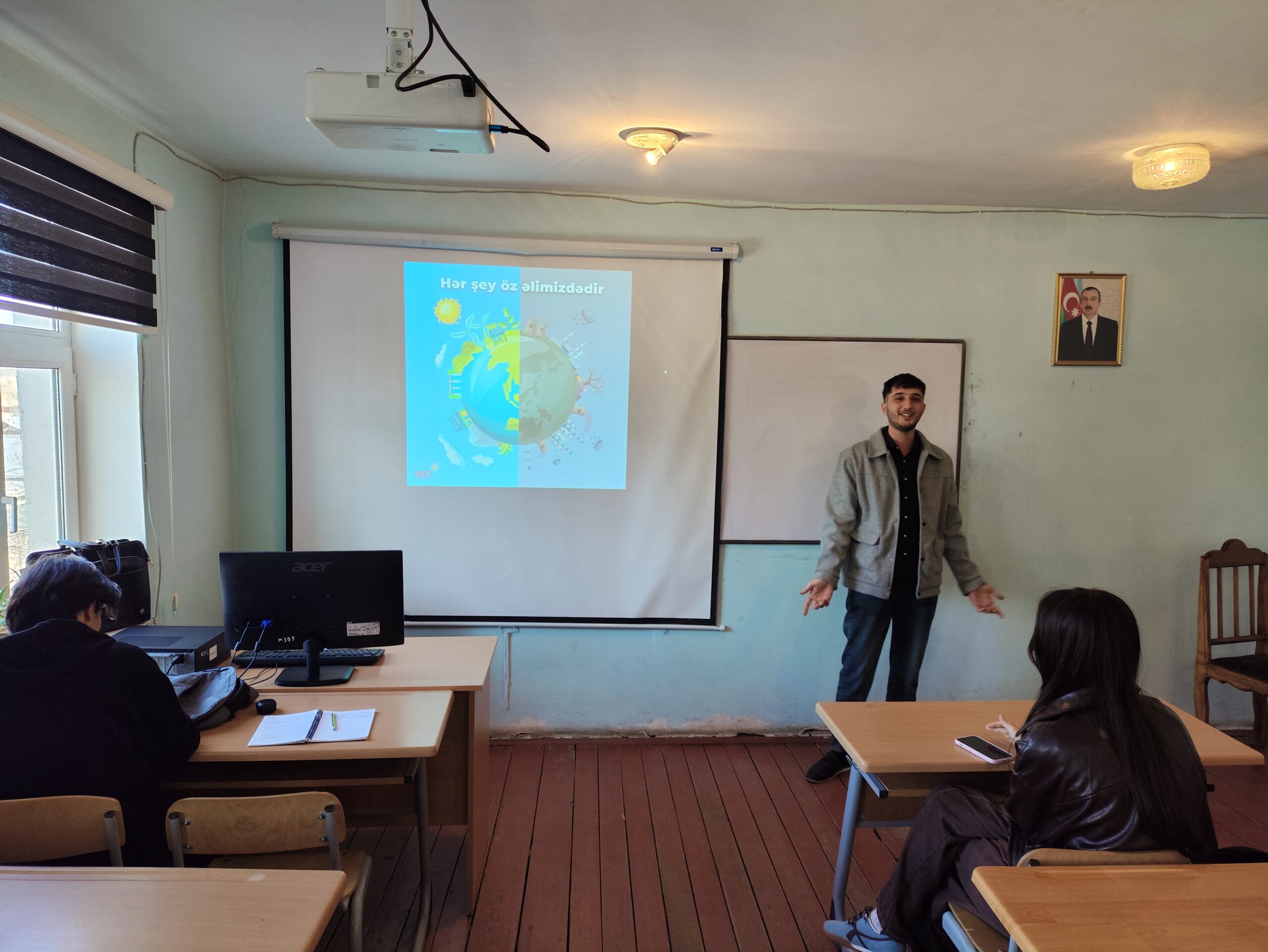
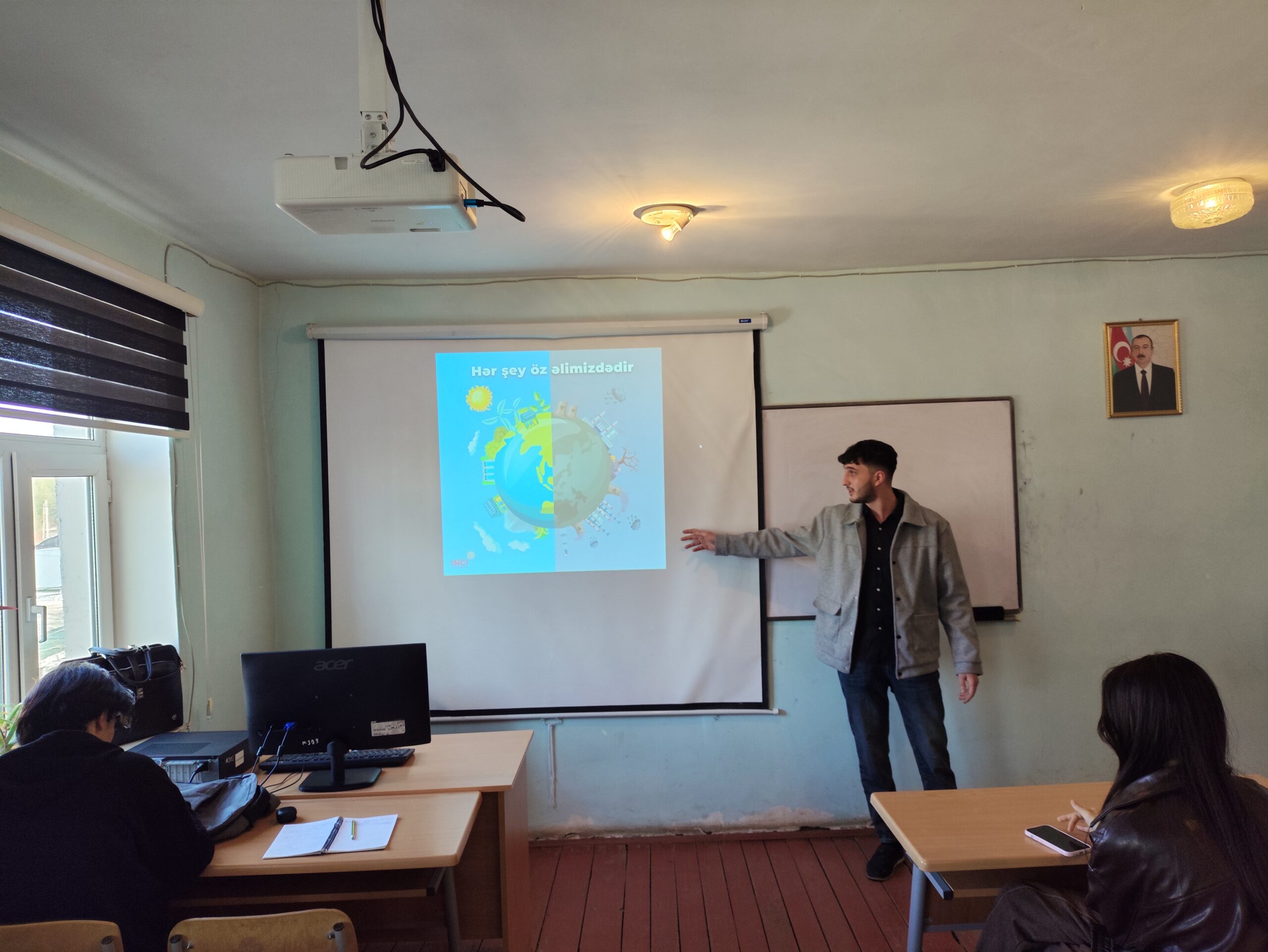
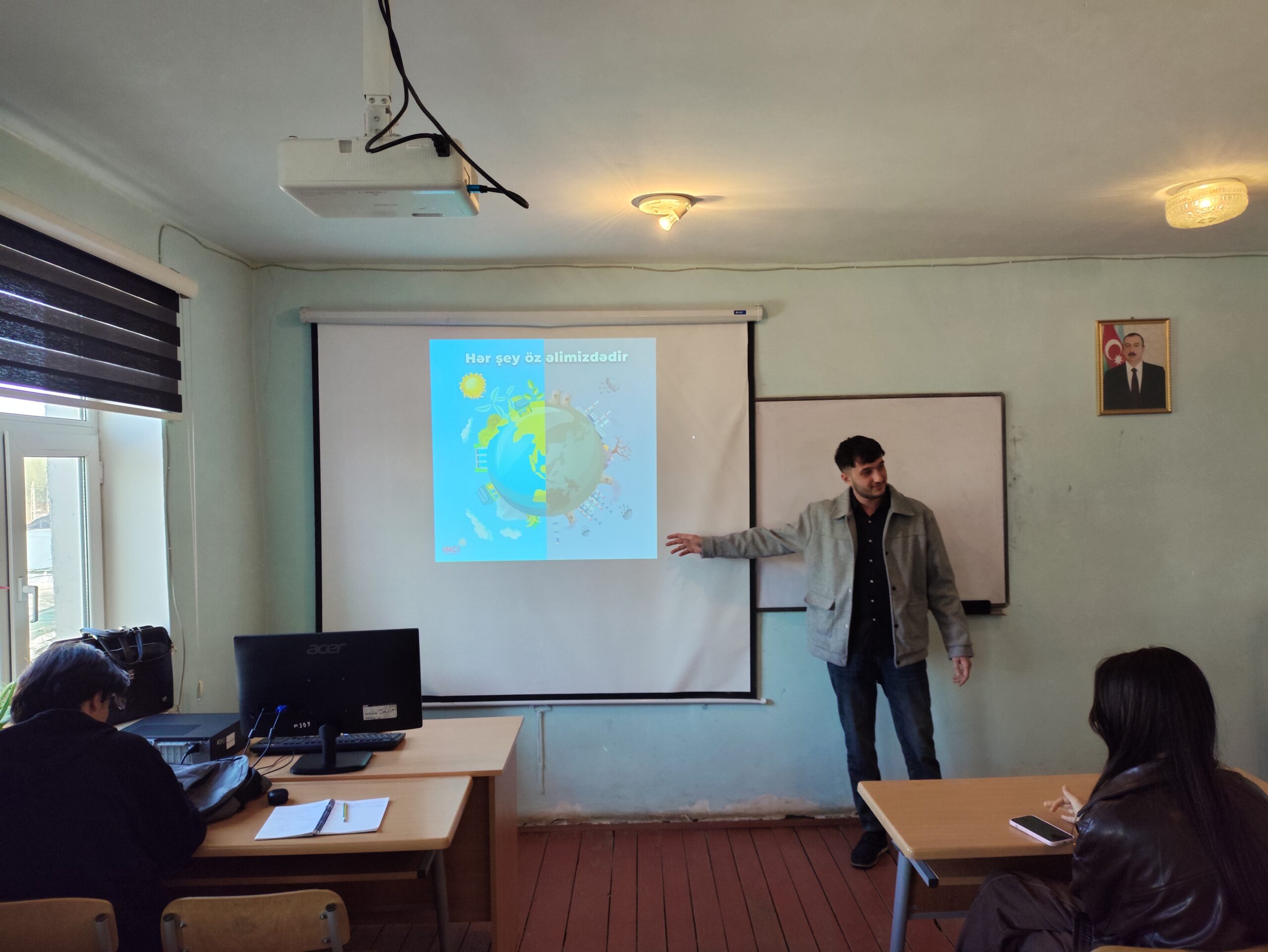
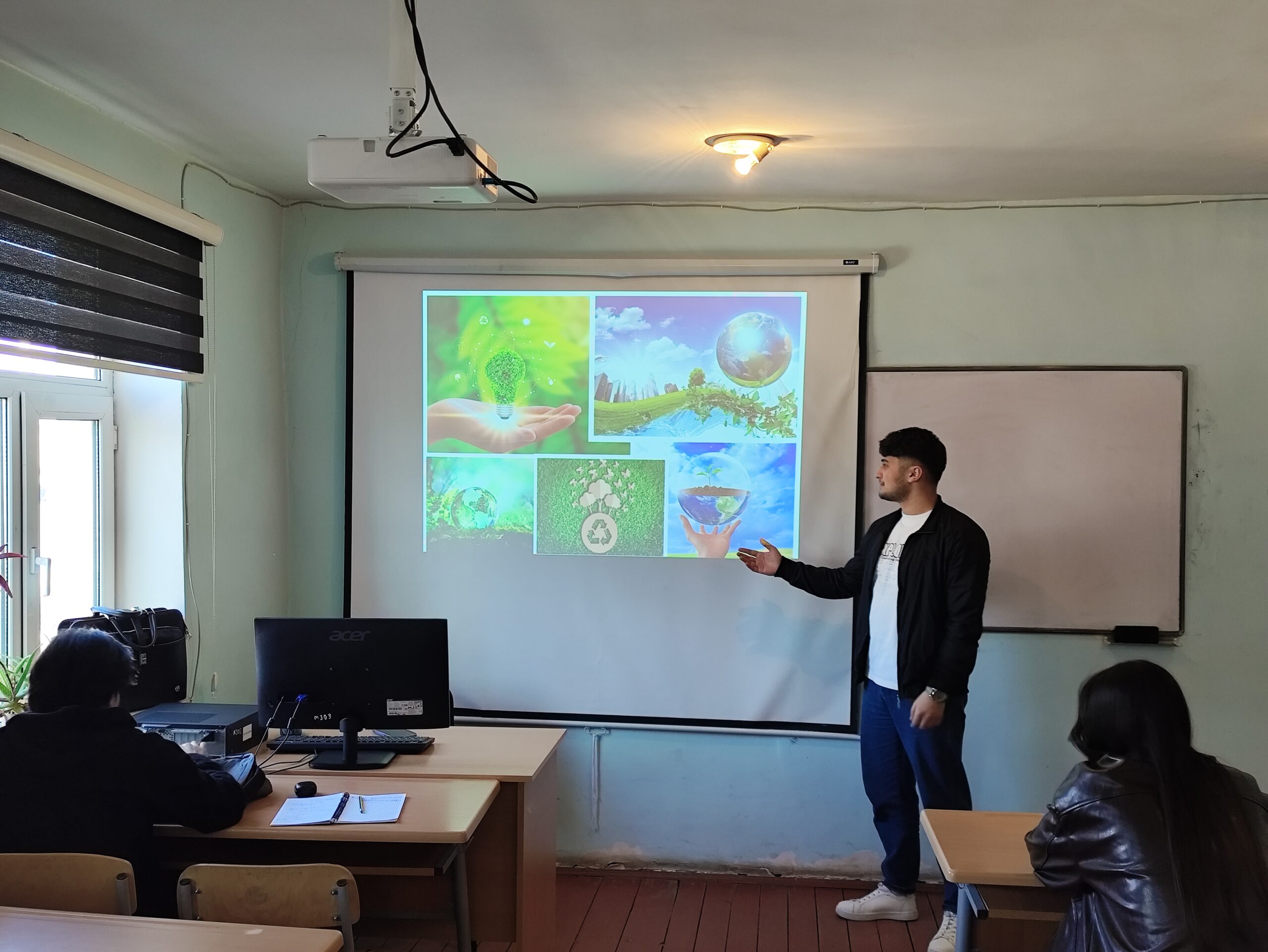
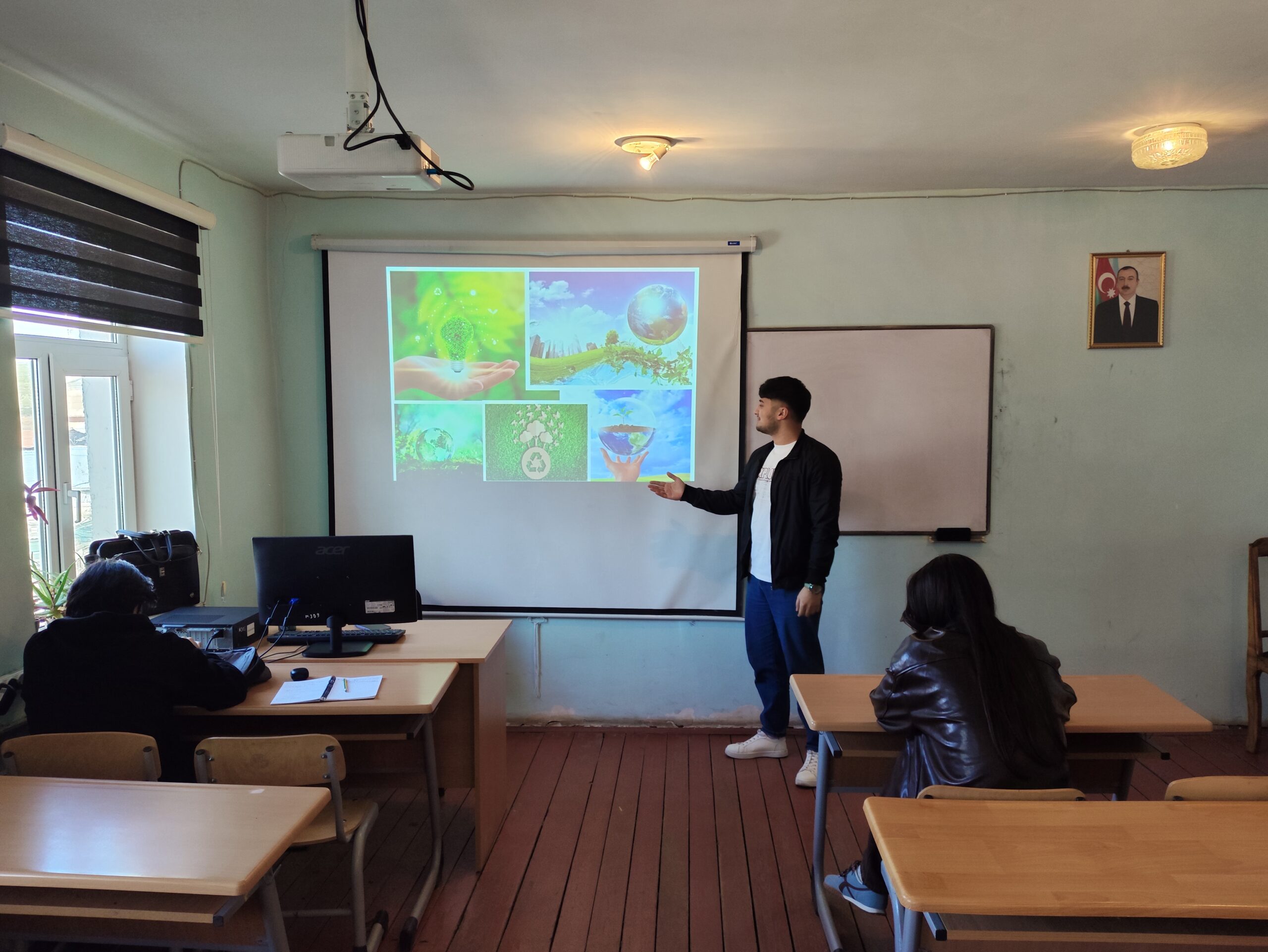
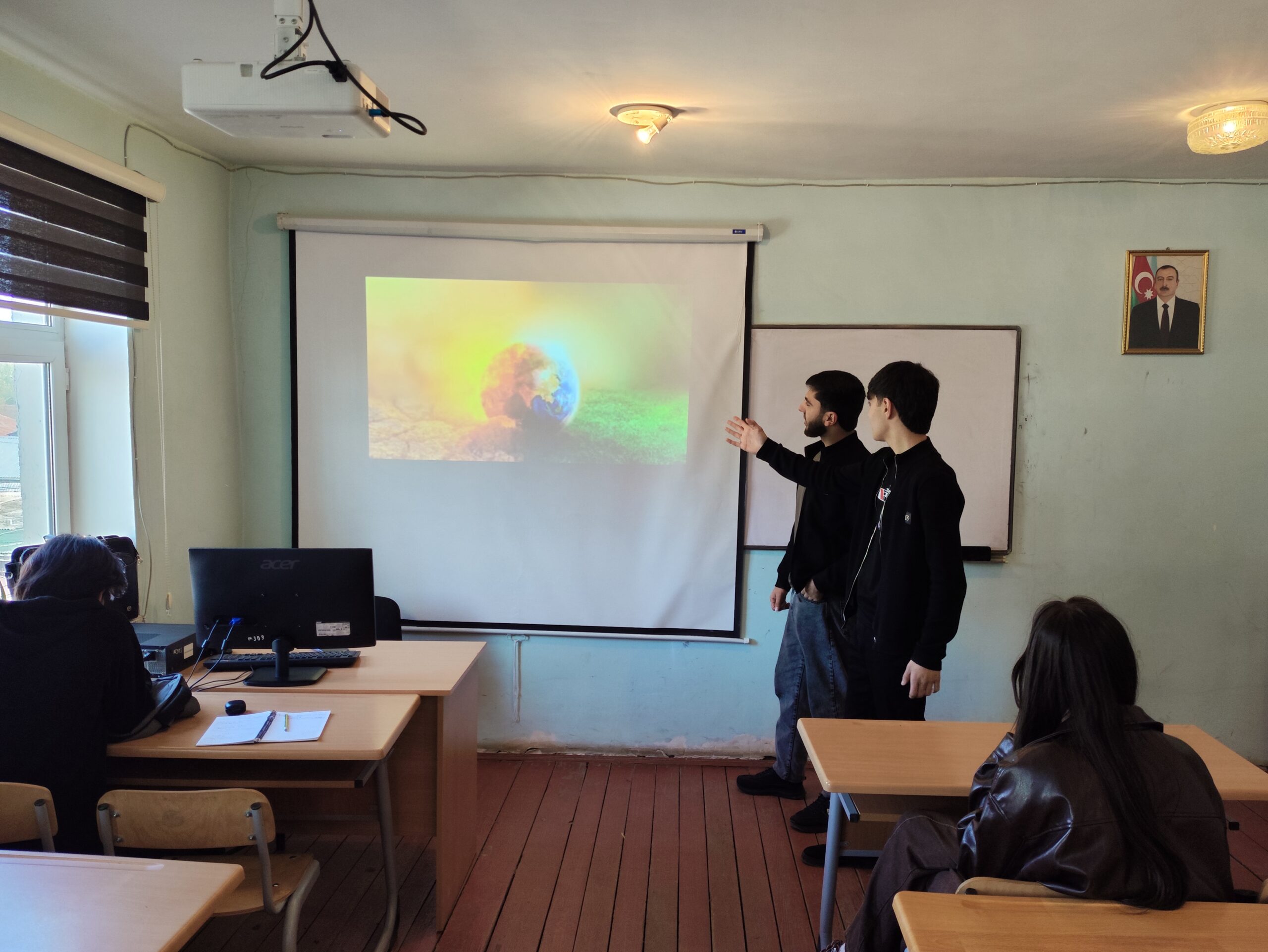
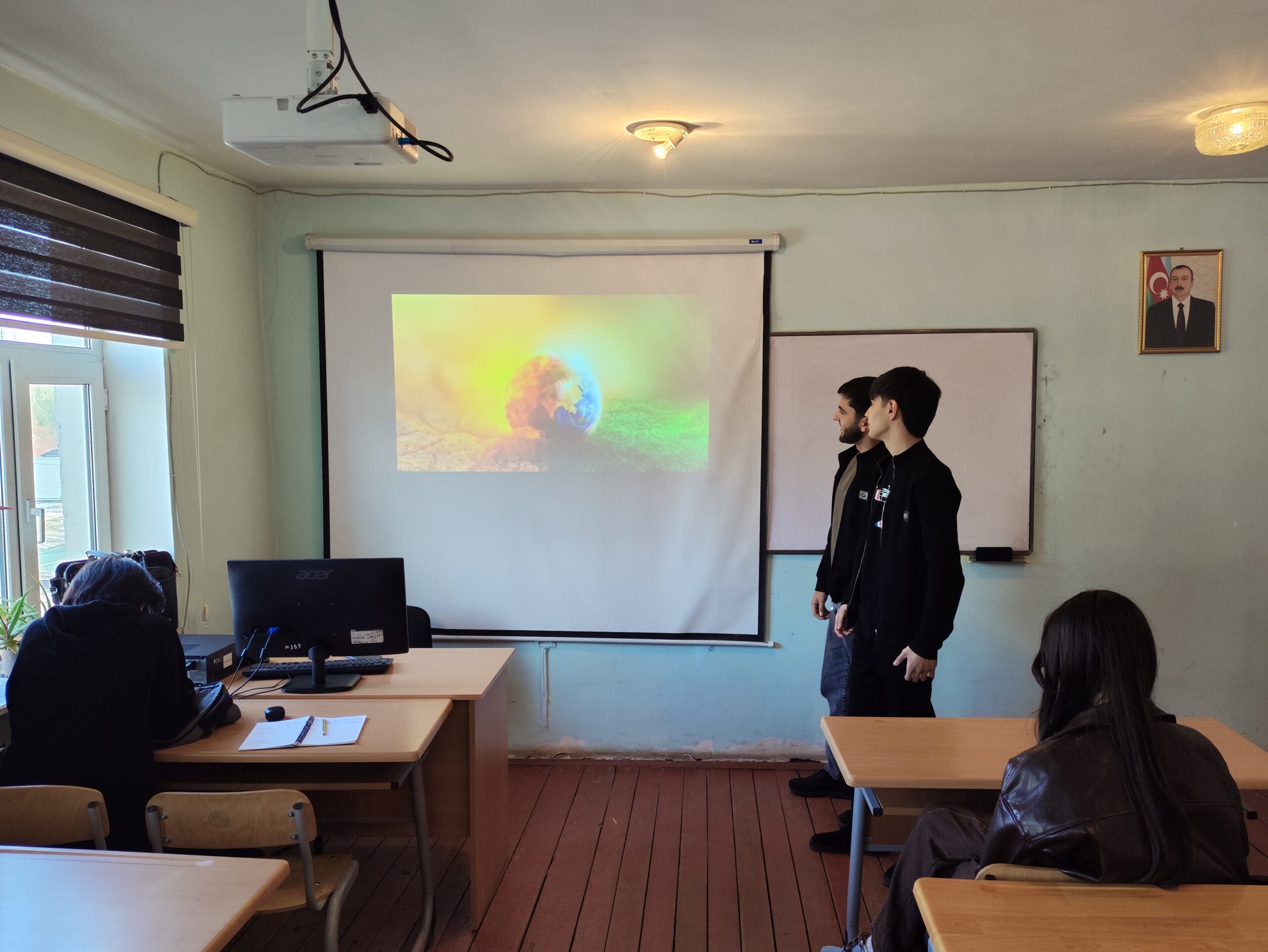
The hackathon was organized with the aim of studying the regional impacts of climate change, developing innovative approaches tailored to local environmental problems, and encouraging young people to work on practical solutions in this field. The event was implemented by the Ömürboyu Təhsil Məktəbi and created a rich environment for participants both academically and practically.
Within the framework of the hackathon, participants analyzed region-specific climate issues such as the reduction of water resources, temperature fluctuations, impacts on agriculture, and disruption of ecosystem balance, and developed innovative and practical solutions in these areas. Teams worked on climate-adaptive smart agriculture technologies, efficient water management systems, climate monitoring platforms, and digital solutions aimed at reducing environmental risks.
It was noted that the main distinguishing feature of the hackathon was the participants’ ability to assess global climate problems within a local context and present solutions adapted to a specific region. While developing their ideas, particular emphasis was placed on real-world applicability, economic efficiency, and long-term sustainability.
During the event, participants worked intensively in teams, developing their ideas within a short period and preparing them for presentation. This process significantly contributed to the development of their analytical thinking, systematic approach, and innovative problem-solving skills.
At the final stage of the hackathon, teams presented their projects to a panel of judges. The evaluation was based on criteria such as the innovativeness of ideas, regional relevance, implementation potential, and environmental impact. The most successful projects were selected and specially recognized, and participants were provided with recommendations for further development of their ideas.
The “Regional Climate” hackathon was regarded as one of the important initiatives that fostered students’ sensitivity to climate issues, encouraged them to create effective and sustainable solutions at the local level, and contributed to the development of an environmental innovation ecosystem within the university.