

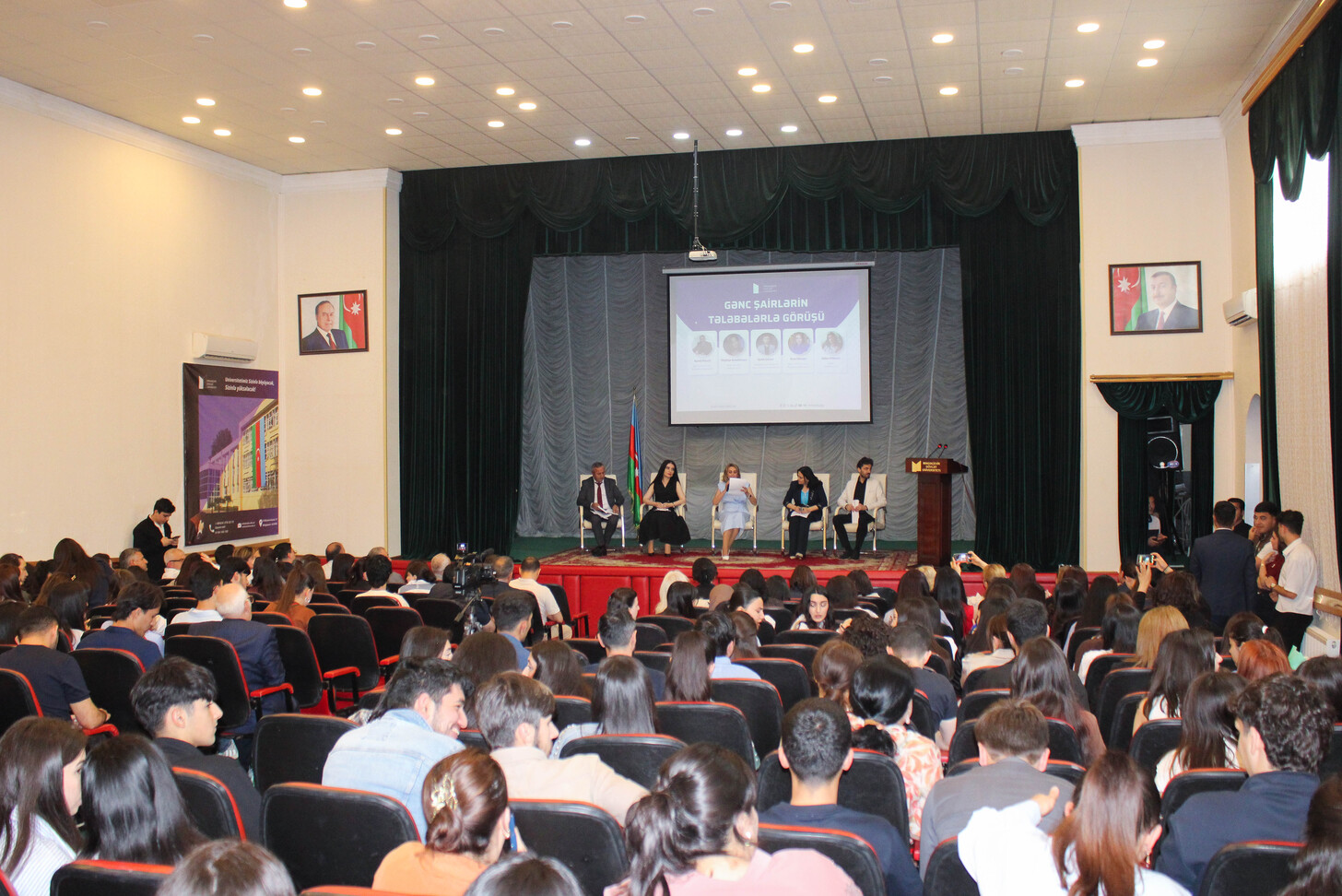
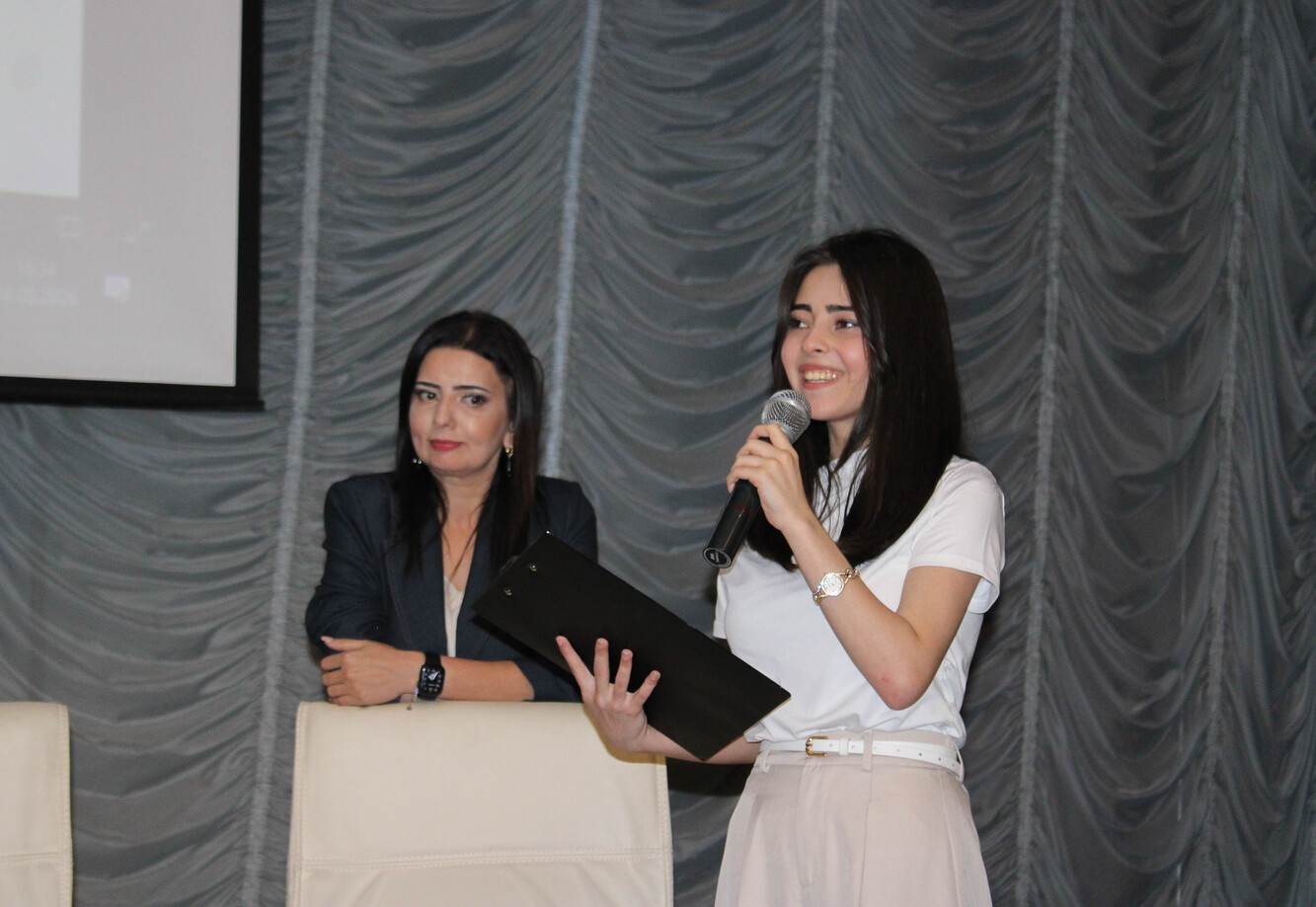
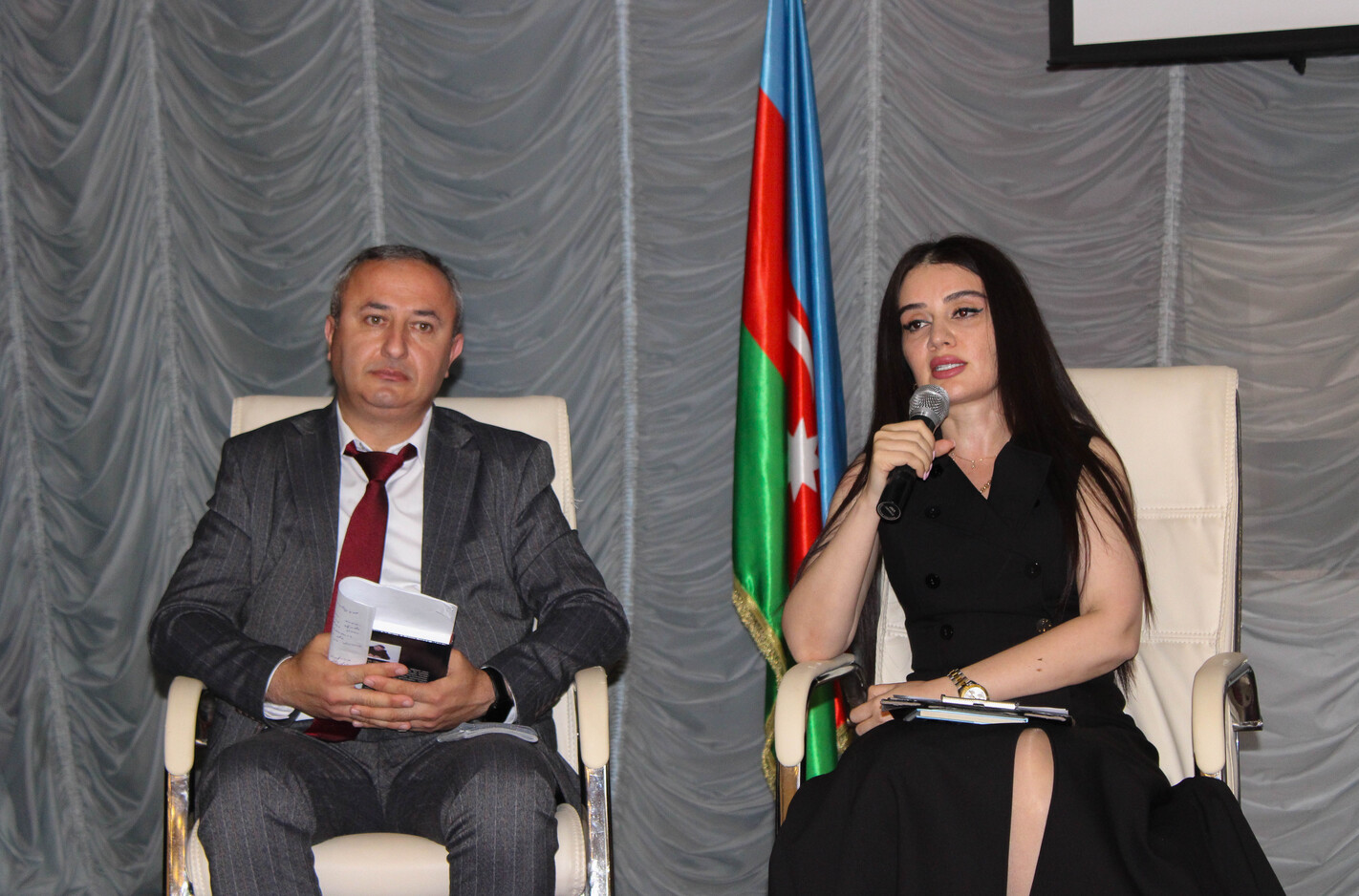
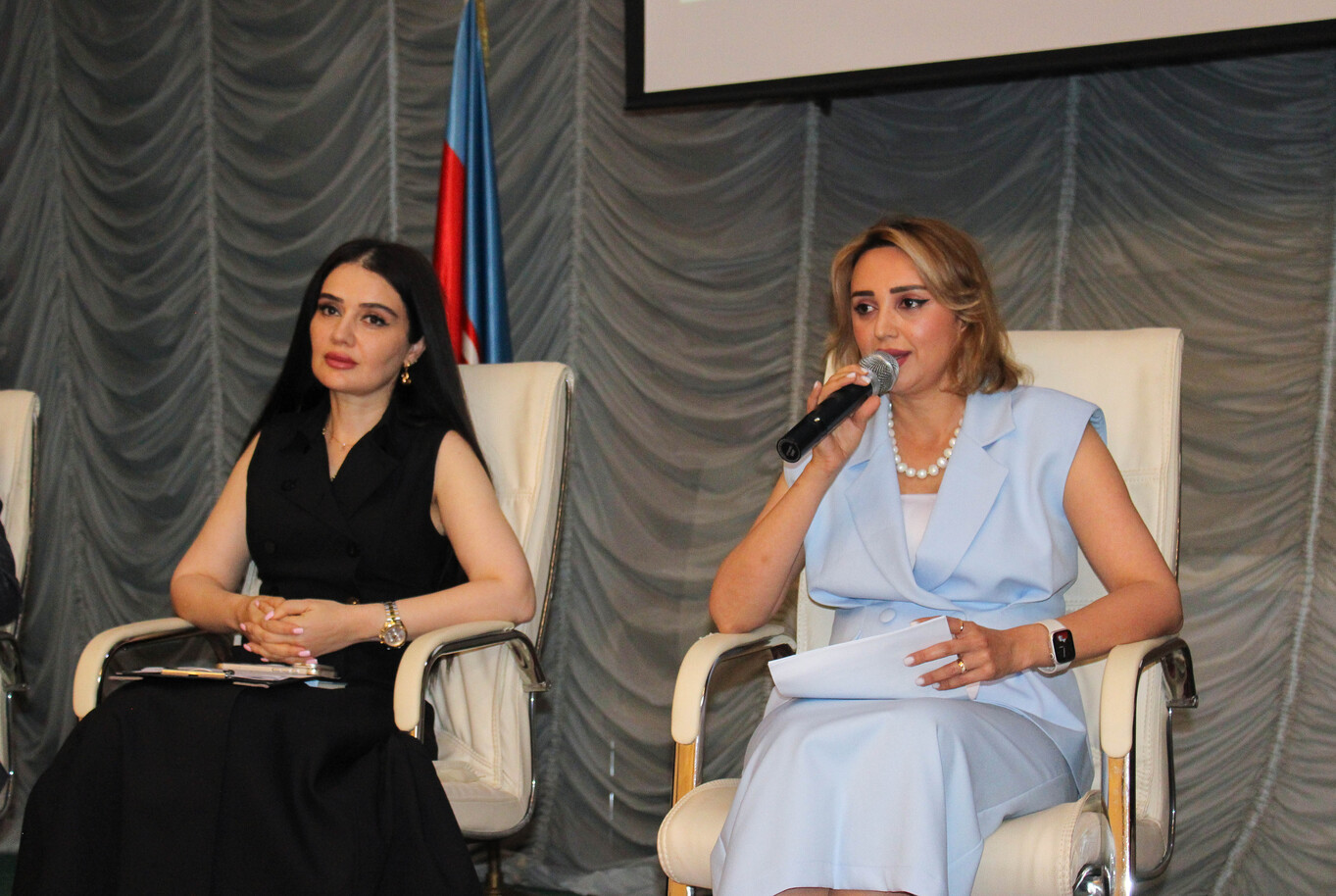
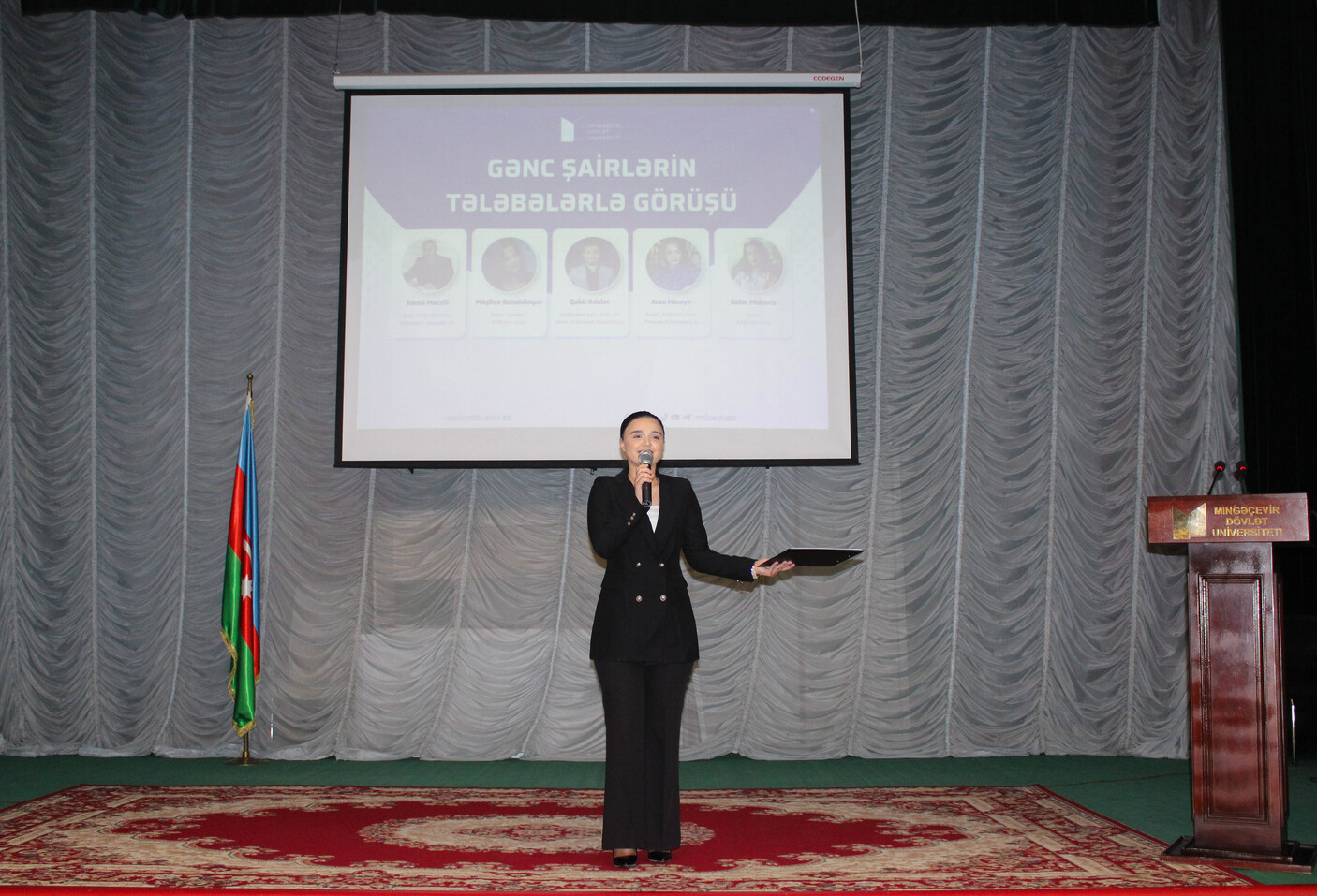
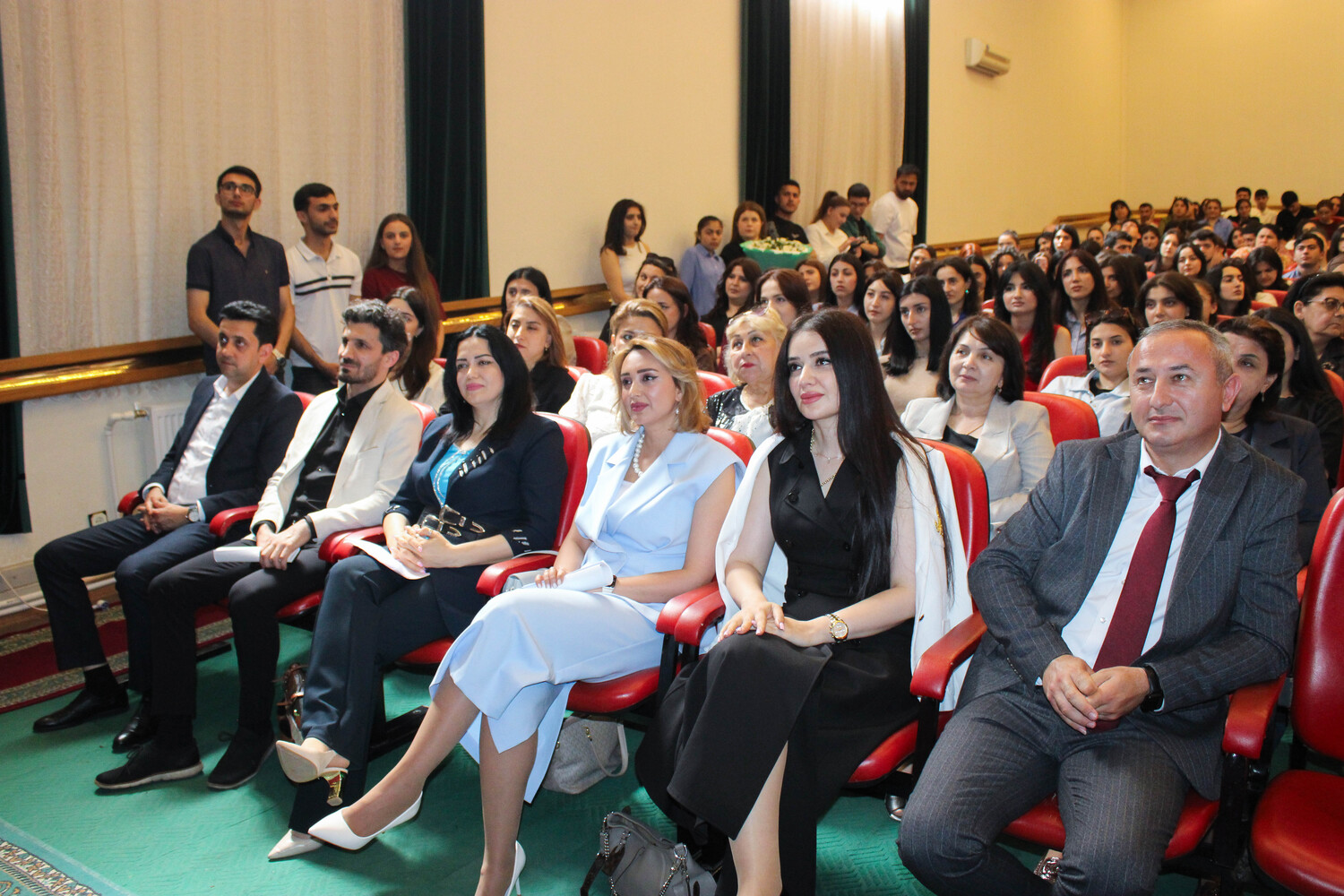
A meeting between young representatives of modern Azerbaijani poetry and students and staff was held at Mingachevir State University (MSU). The literary and musical event, which took place in the university’s assembly hall, stood out as an important platform for promoting national and moral values, enhancing students’ literary and aesthetic taste, and encouraging creative thinking.
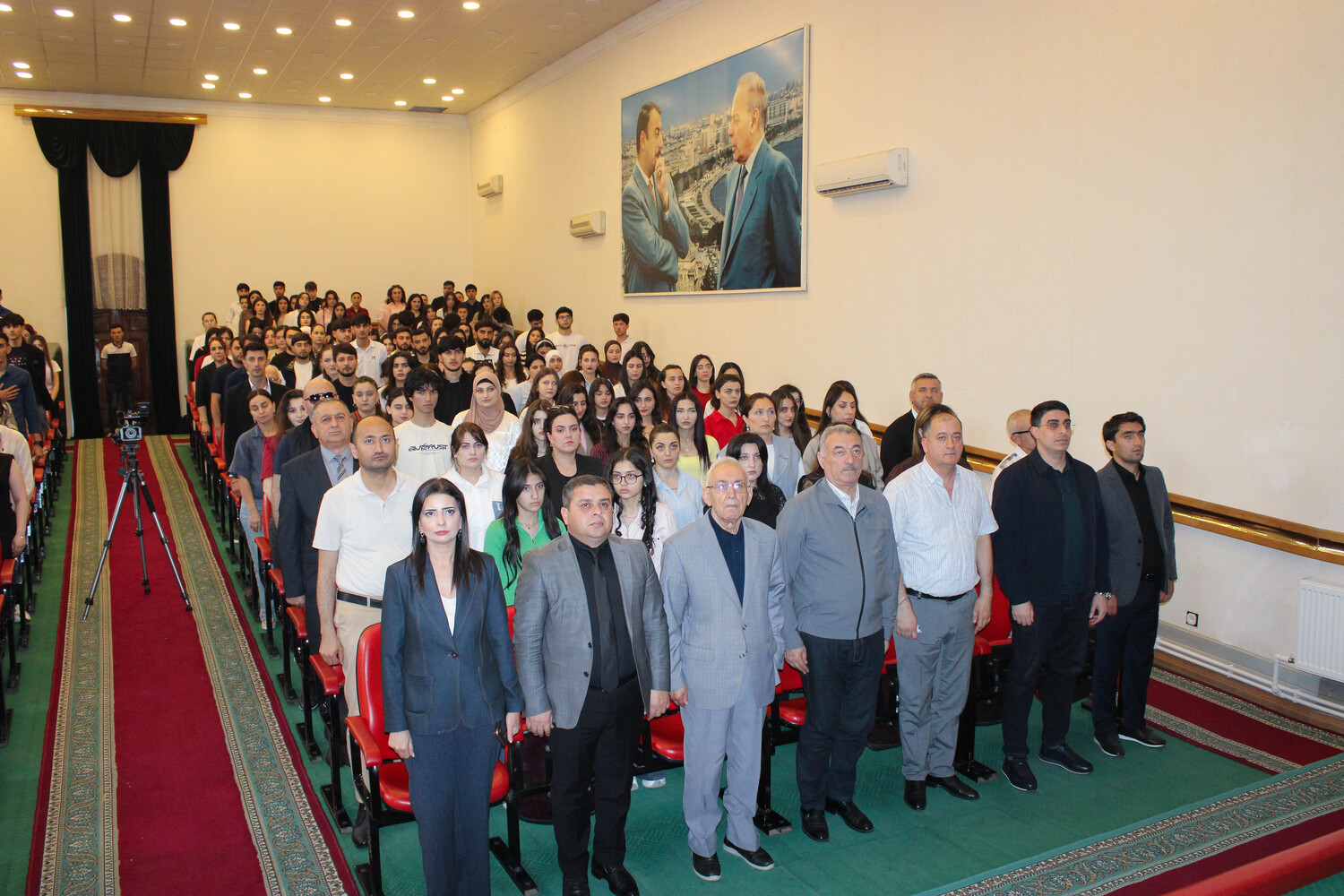
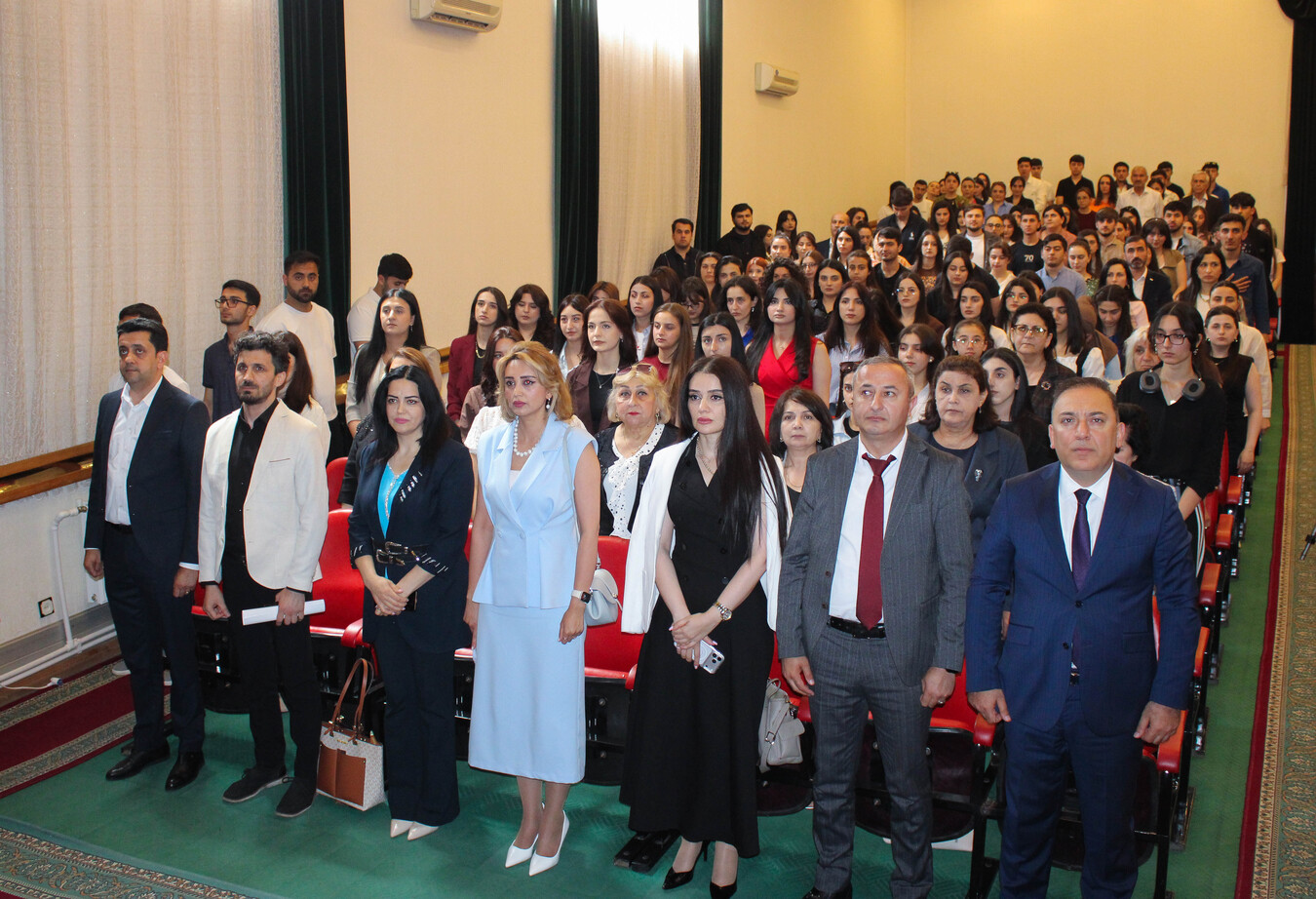
At the beginning of the event, the cherished memory of National Leader Heydar Aliyev and the heroic martyrs who sacrificed their lives for the territorial integrity and sovereignty of Azerbaijan was honored with a minute of silence, followed by the performance of the National Anthem of the Republic of Azerbaijan.
A video presentation dedicated to the creativity of young poets was then screened, highlighting their artistic vision, thematic diversity, and contribution to contemporary literary discourse.
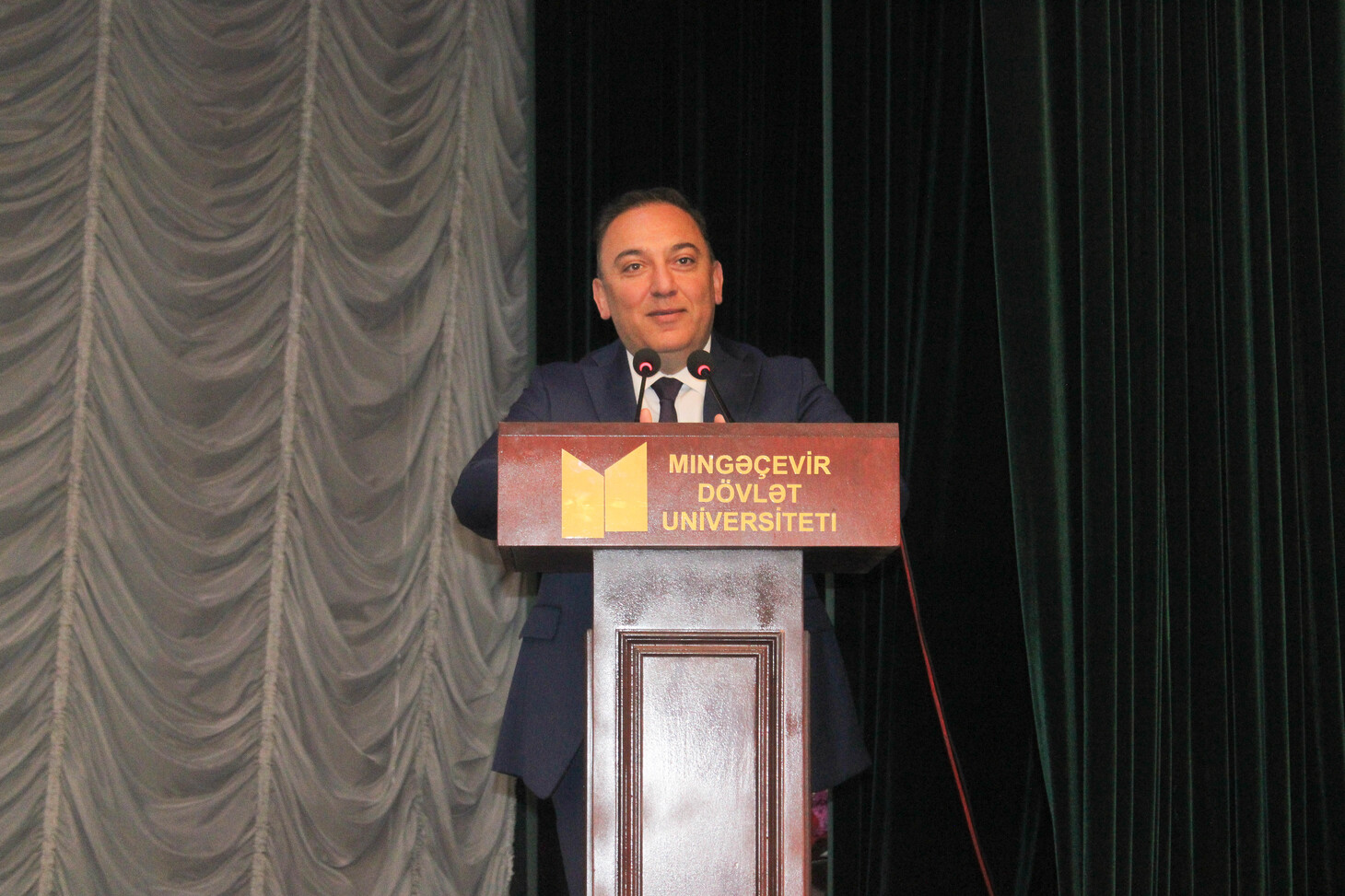
Opening the event with a keynote speech, Rector of Mingachevir State University, Anar Eminov, emphasized the role of literary and cultural initiatives within the academic environment. He noted that higher education institutions are not only centers of knowledge but also vital social platforms where national and moral values are preserved, developed, and transmitted to future generations. The rector underlined that supporting young poets contributes to the intellectual and cultural development of society.
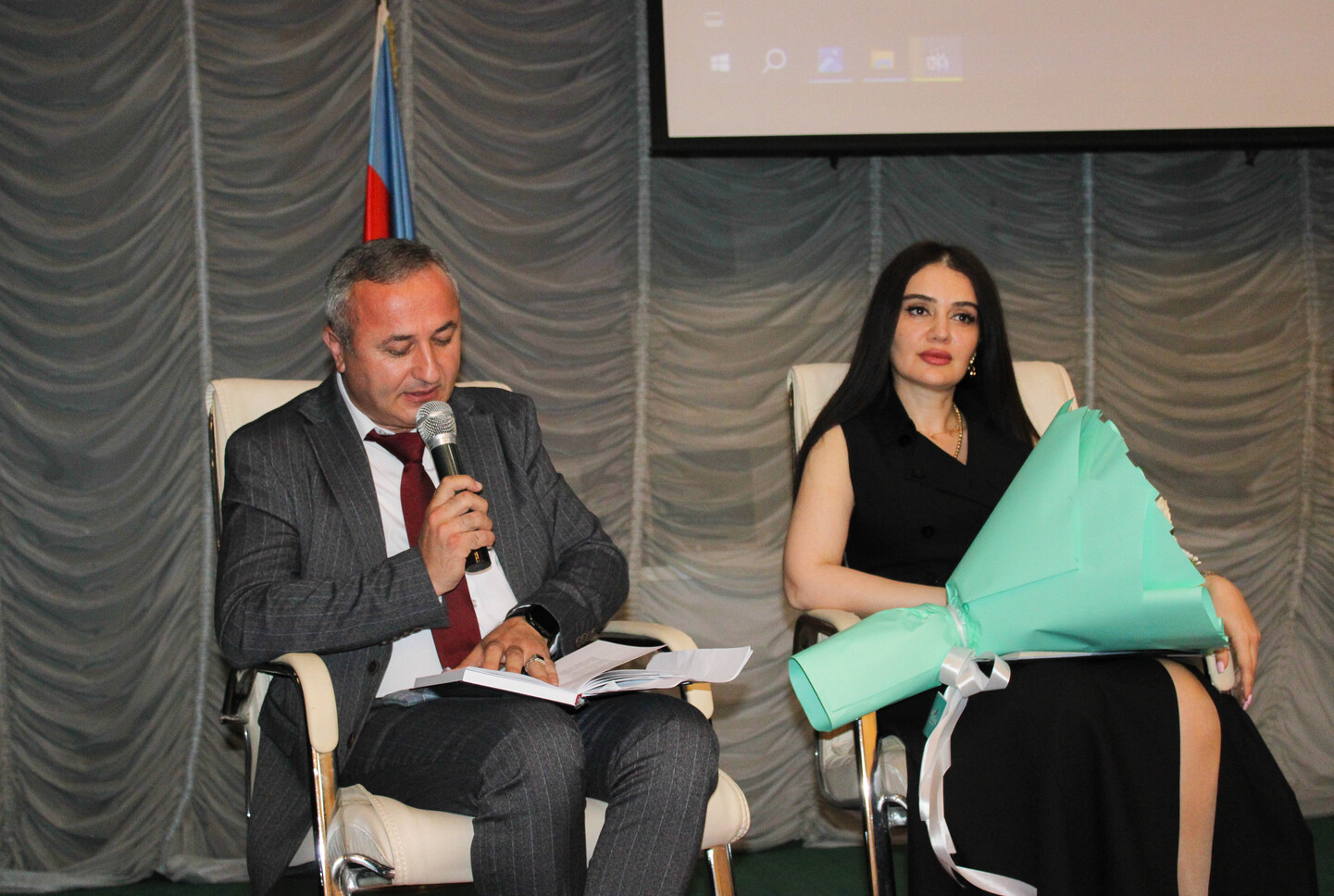
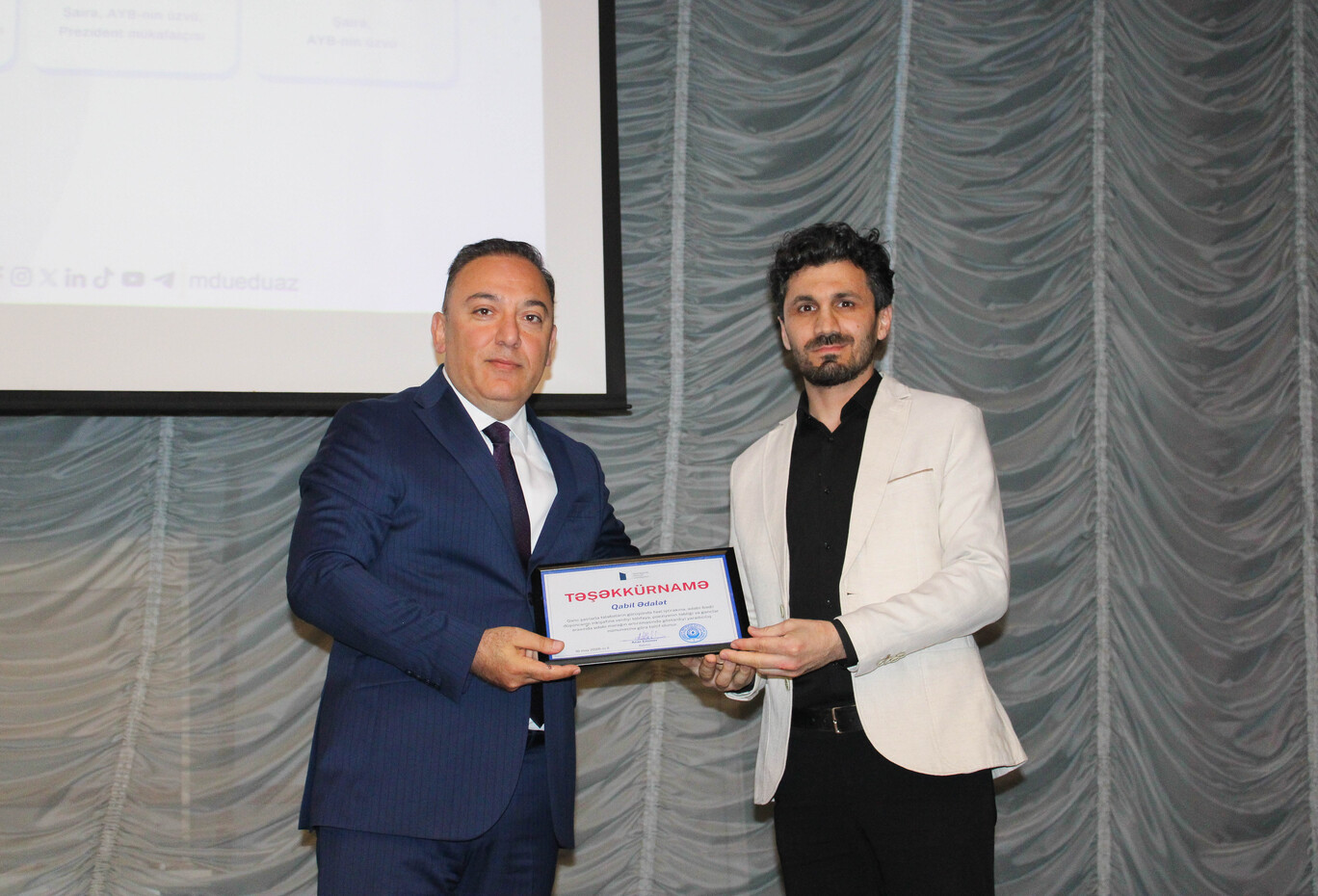
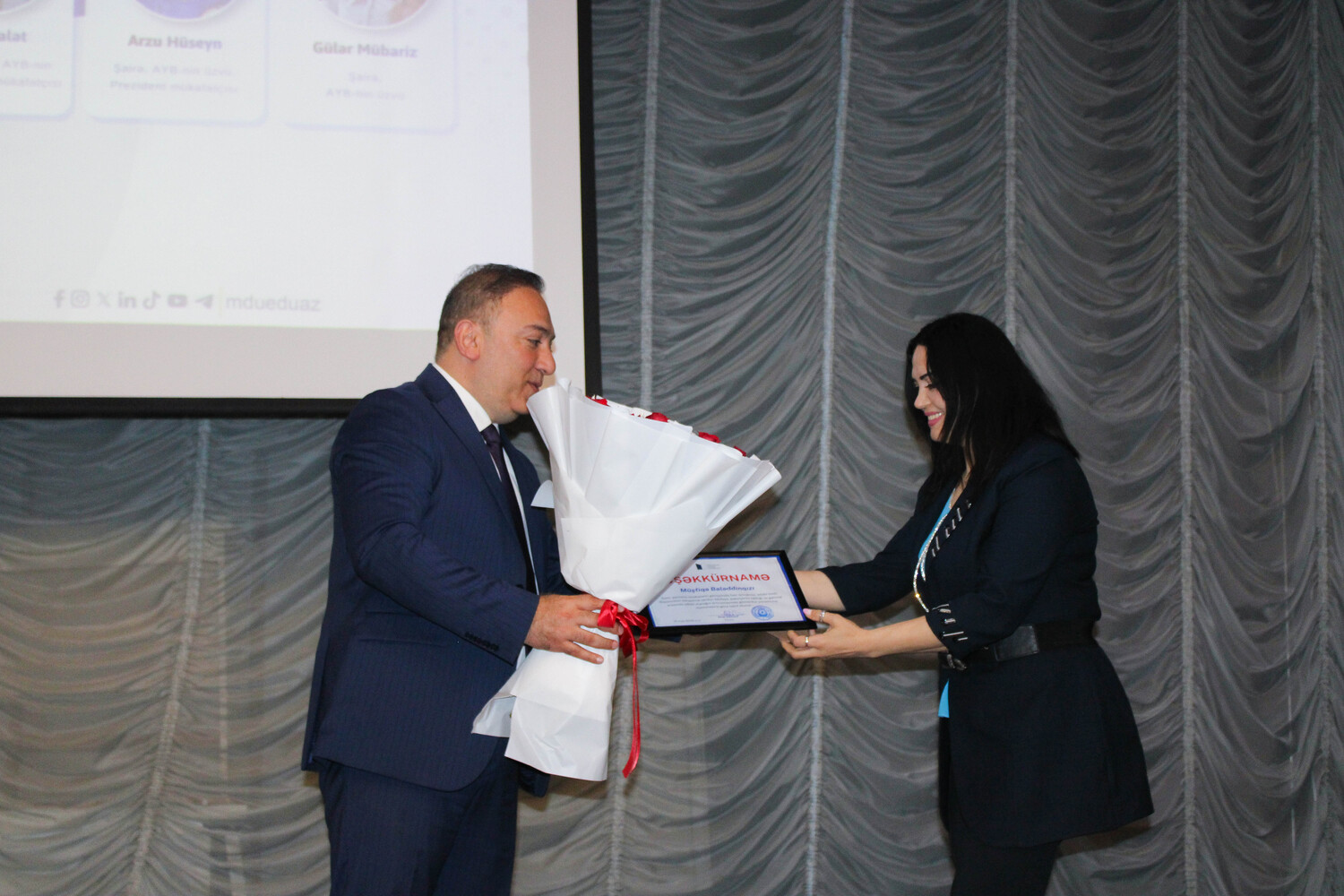
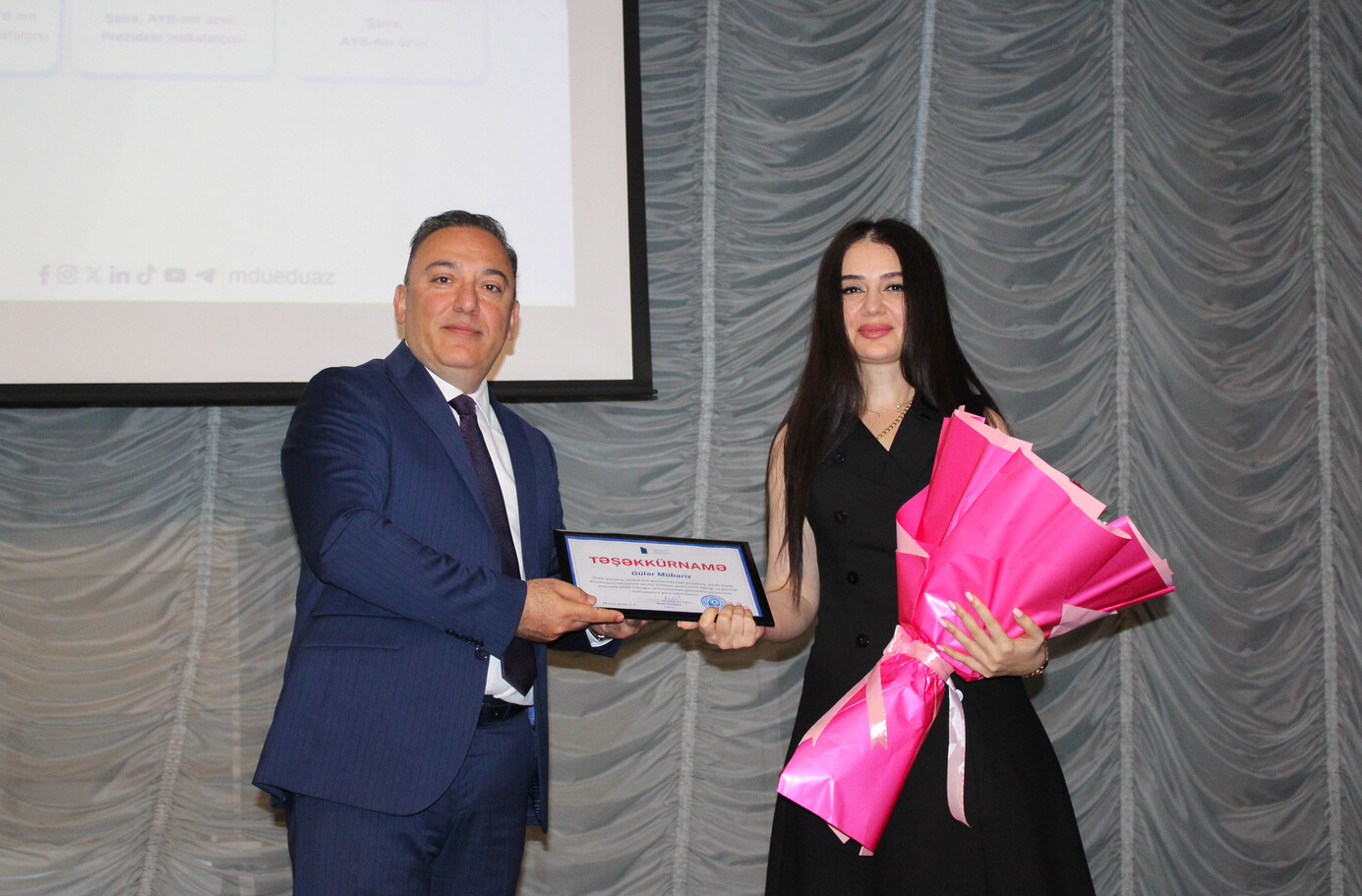
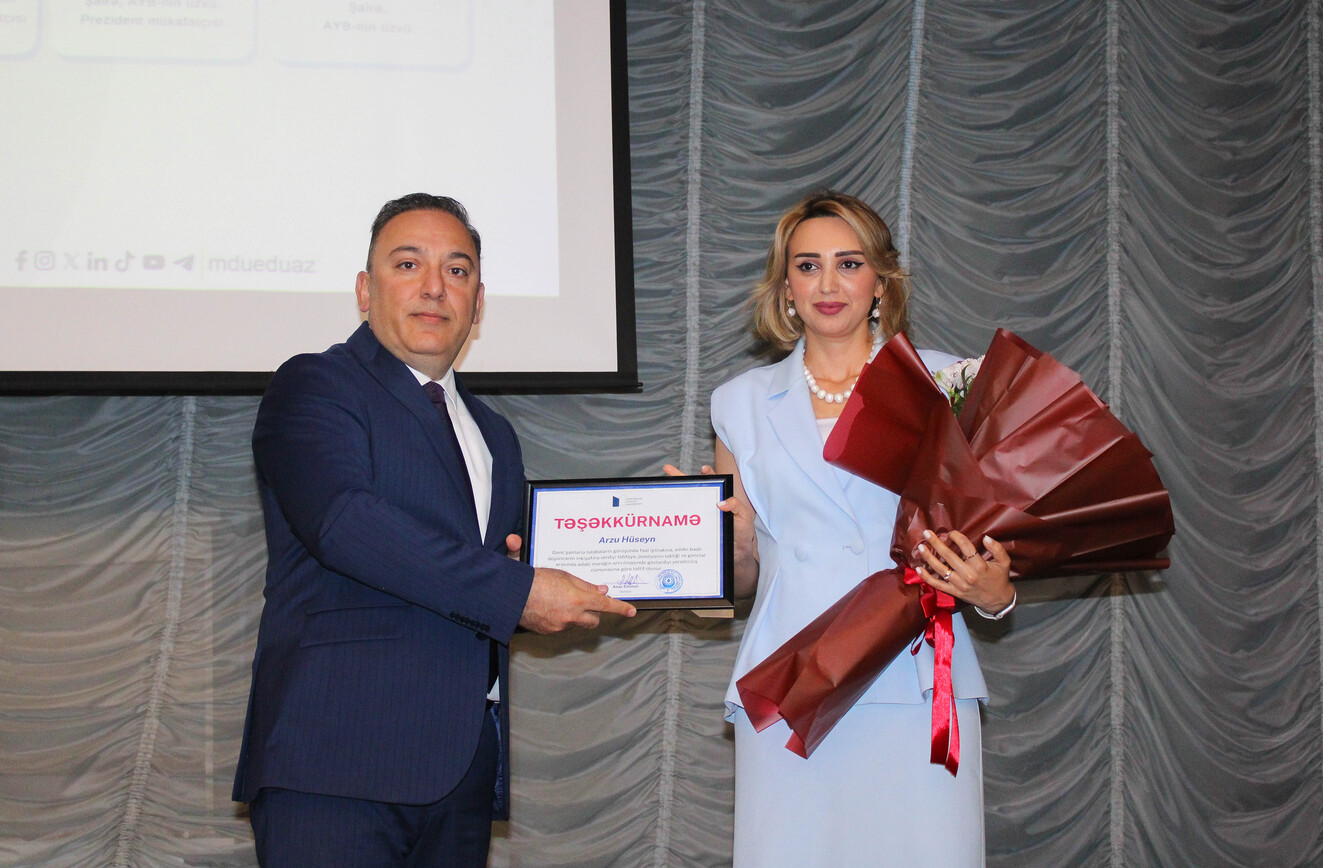
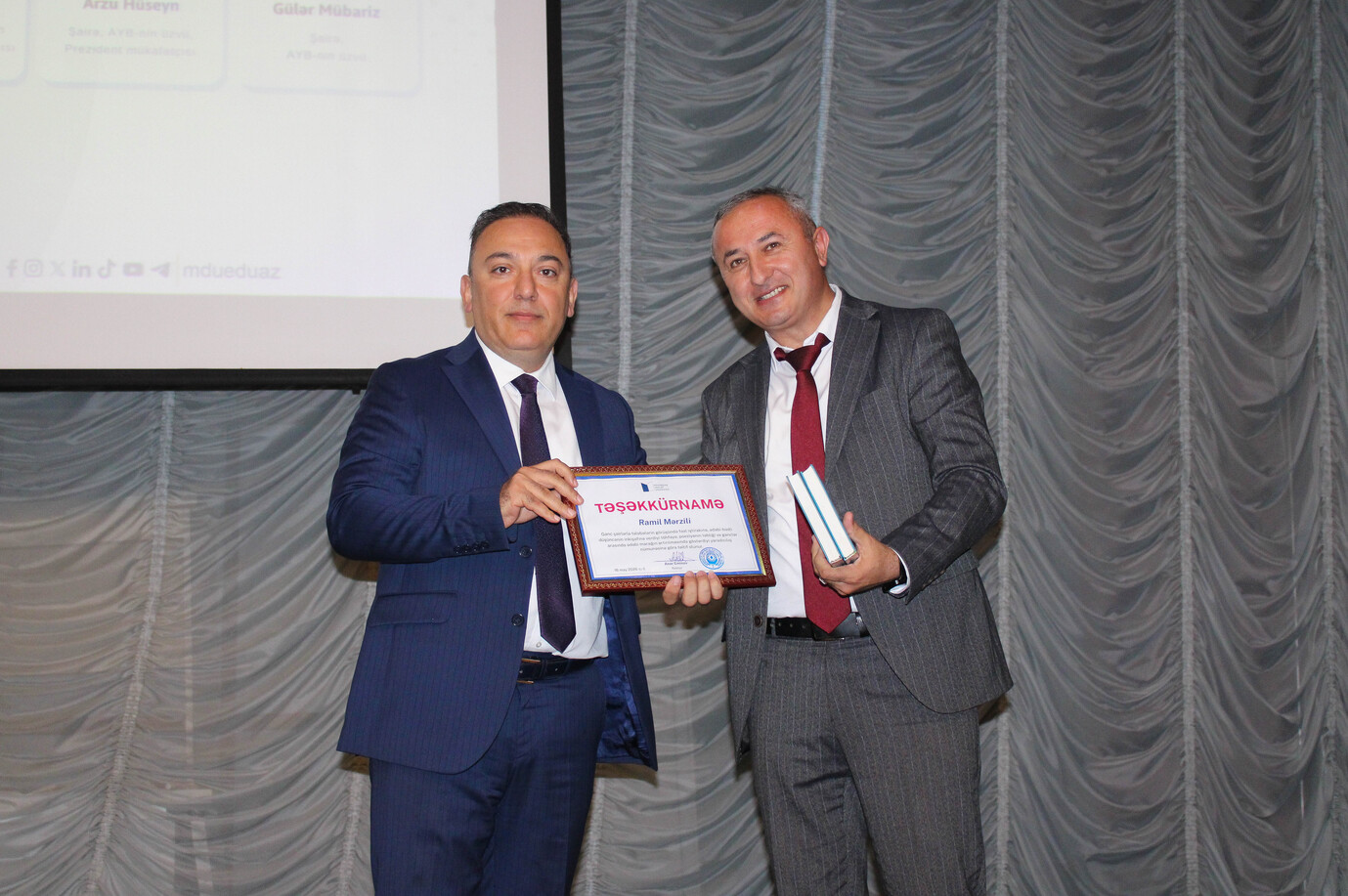
As part of the event, guest poets were awarded certificates of appreciation in recognition of their contributions to the development of poetry and literary thought.
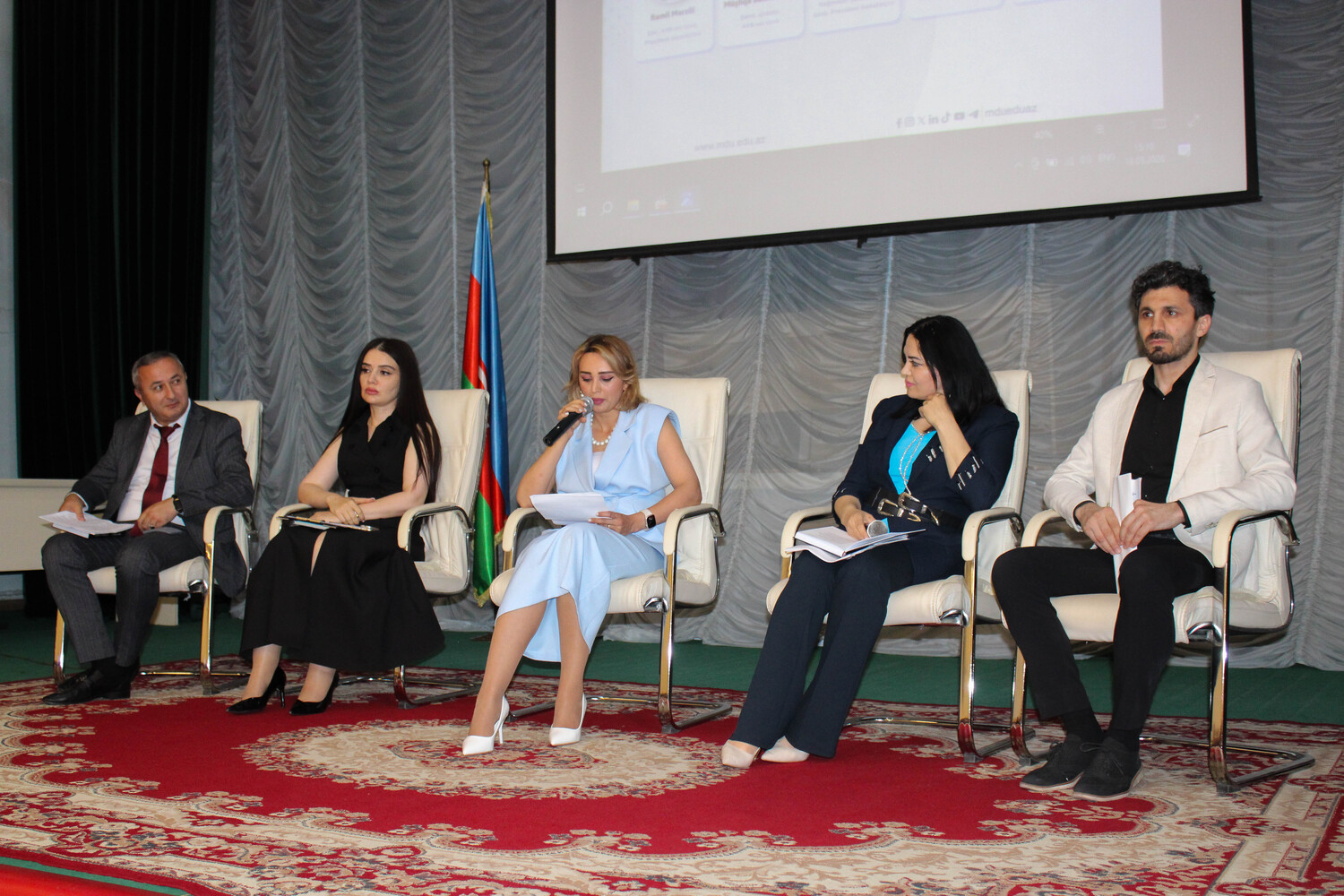
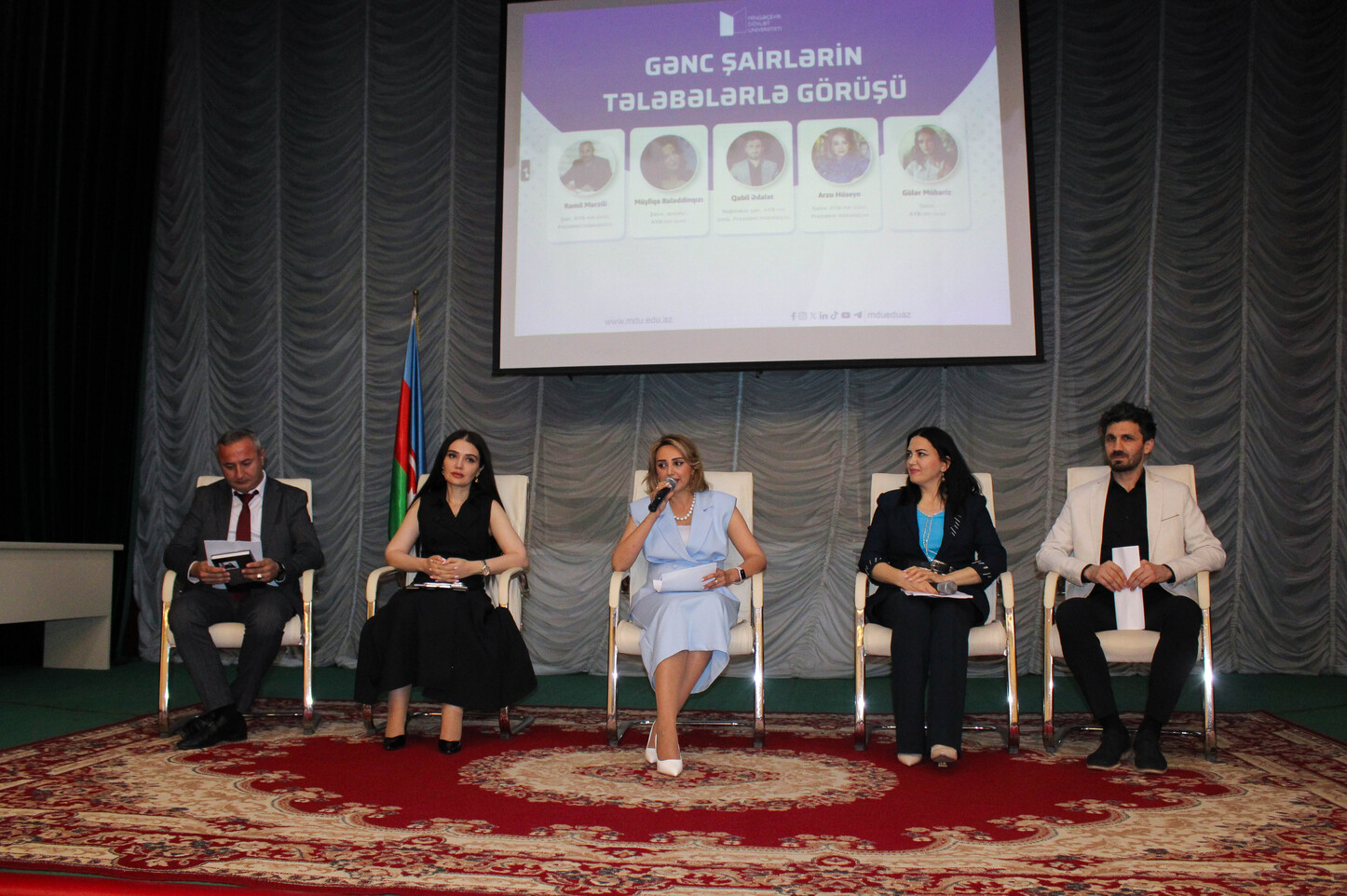
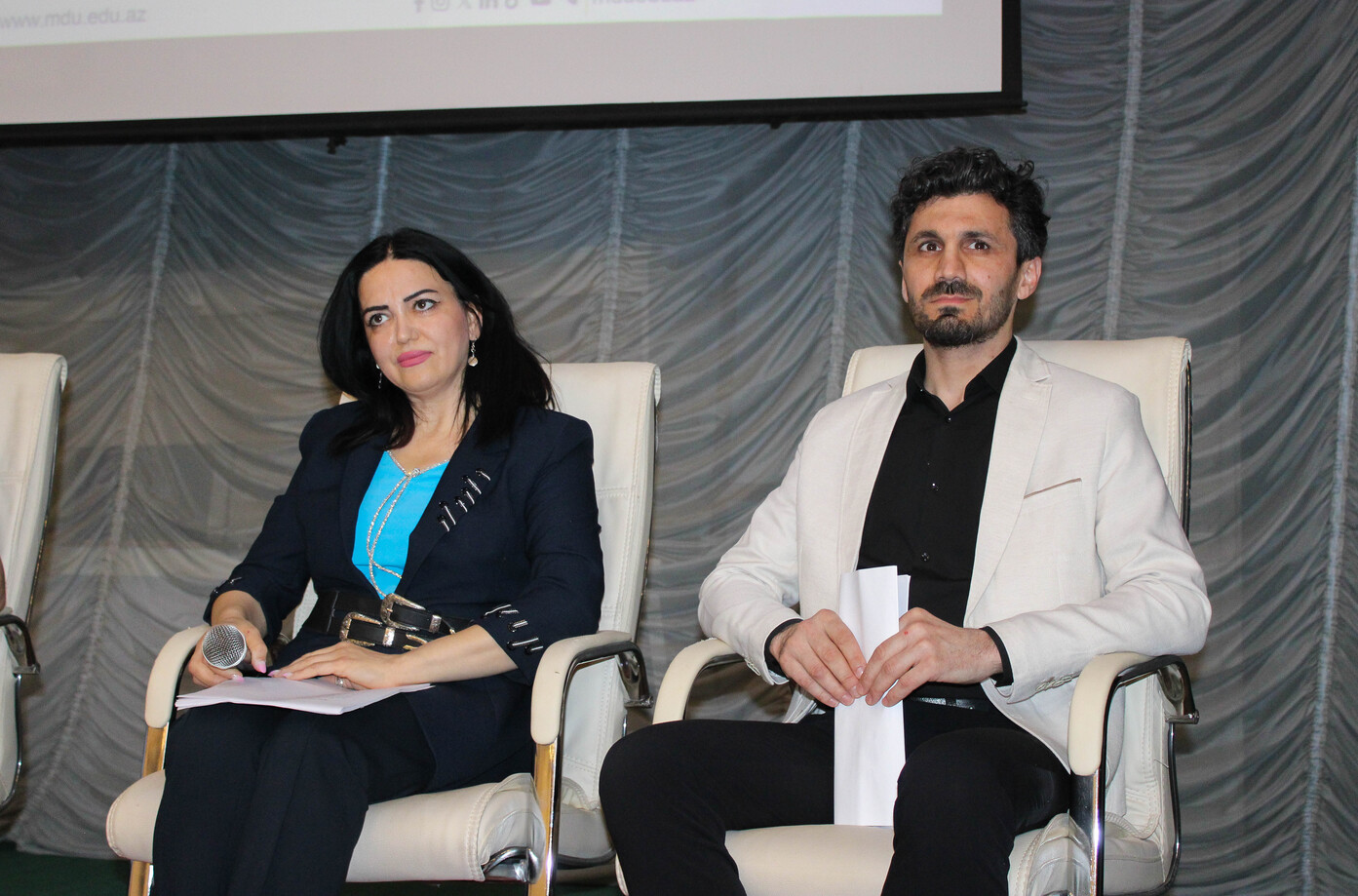
Following the opening remarks, the event continued with an artistic program. Members of the Azerbaijan Writers’ Union, including presidential award recipients and scholarship holders—Arzu Huseyn, Ramil Marzili, Gular Mubariz, Mushfiga Baladdin gizi, and Qabil Adalat—performed and presented selections from their works. Their readings were met with great interest by the audience, once again demonstrating the profound impact of poetry on the human spirit and its role as a bridge between individual and society.
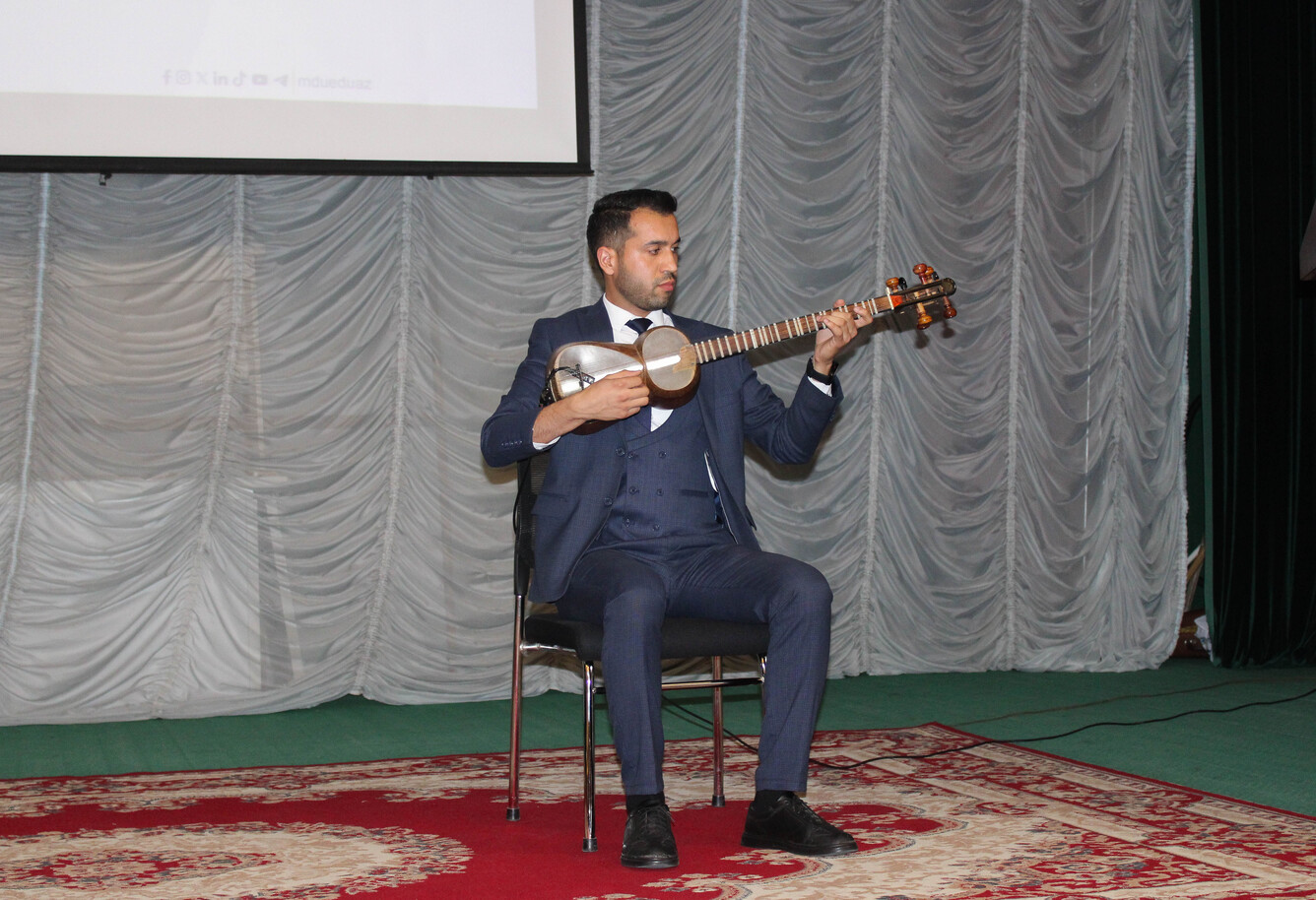
The artistic segment also featured musical performances, including a tar recital that harmoniously complemented the poetic atmosphere and added a distinctive aesthetic dimension to the event.
The program continued with student recitations of selected poems by the guest writers. These performances highlighted the continuity of poetic tradition, the younger generation’s engagement with literature, and their openness to creative expression.
Throughout the two-part literary program, poetry, music, and recitation were presented in a unified format, offering participants a rich cultural and spiritual experience. The unifying power of poetry—bringing people together and fostering shared understanding—was clearly felt throughout the event.
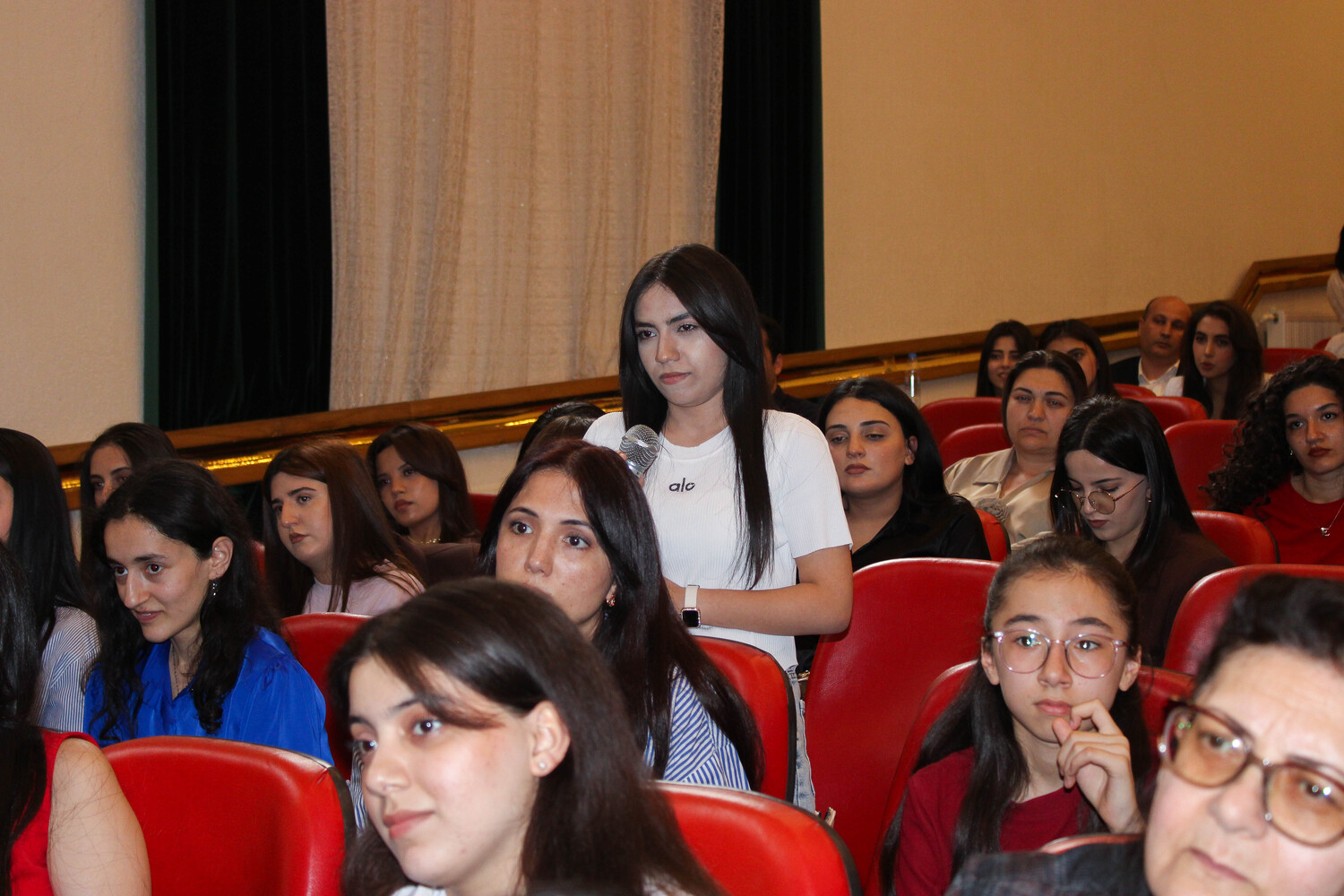
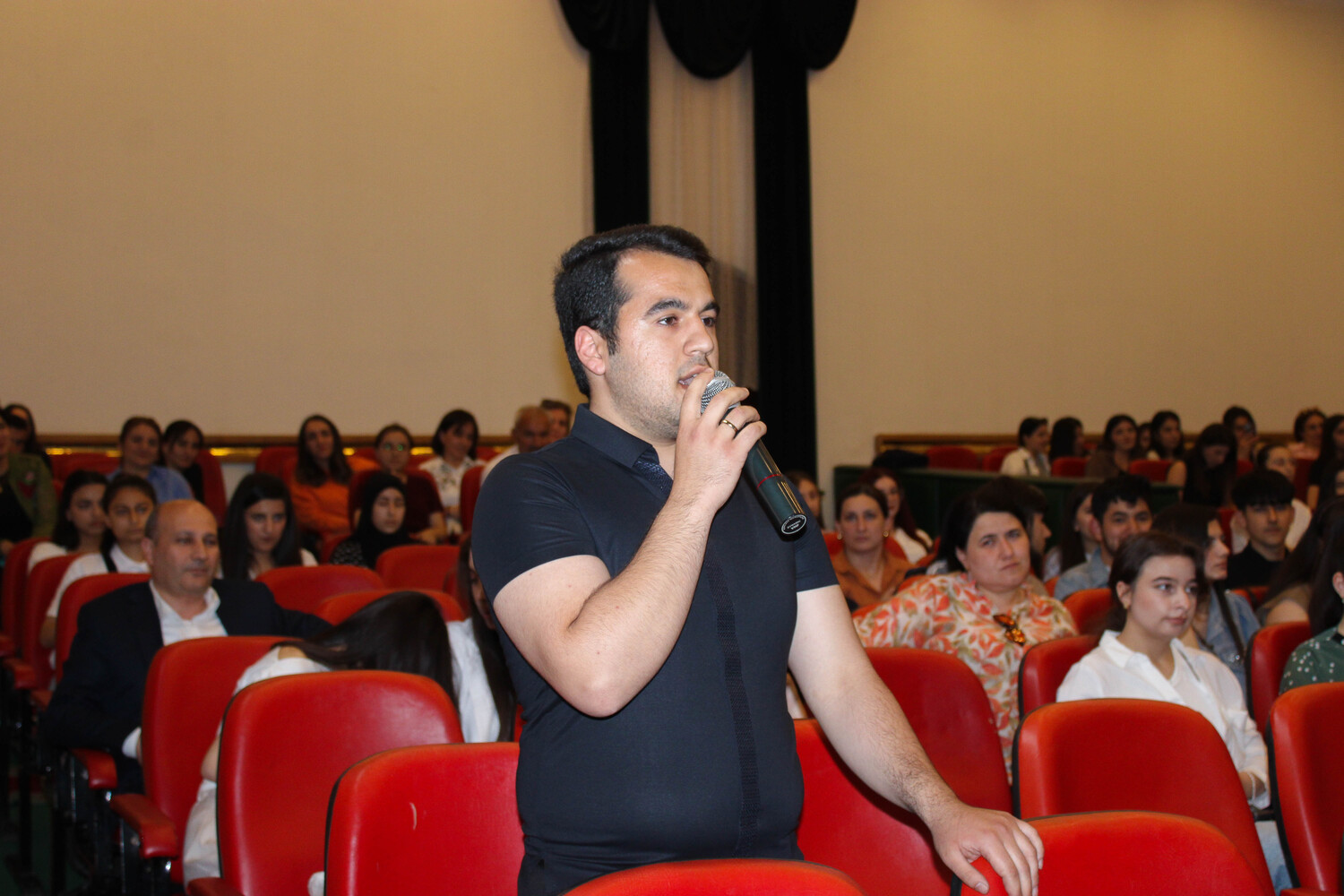
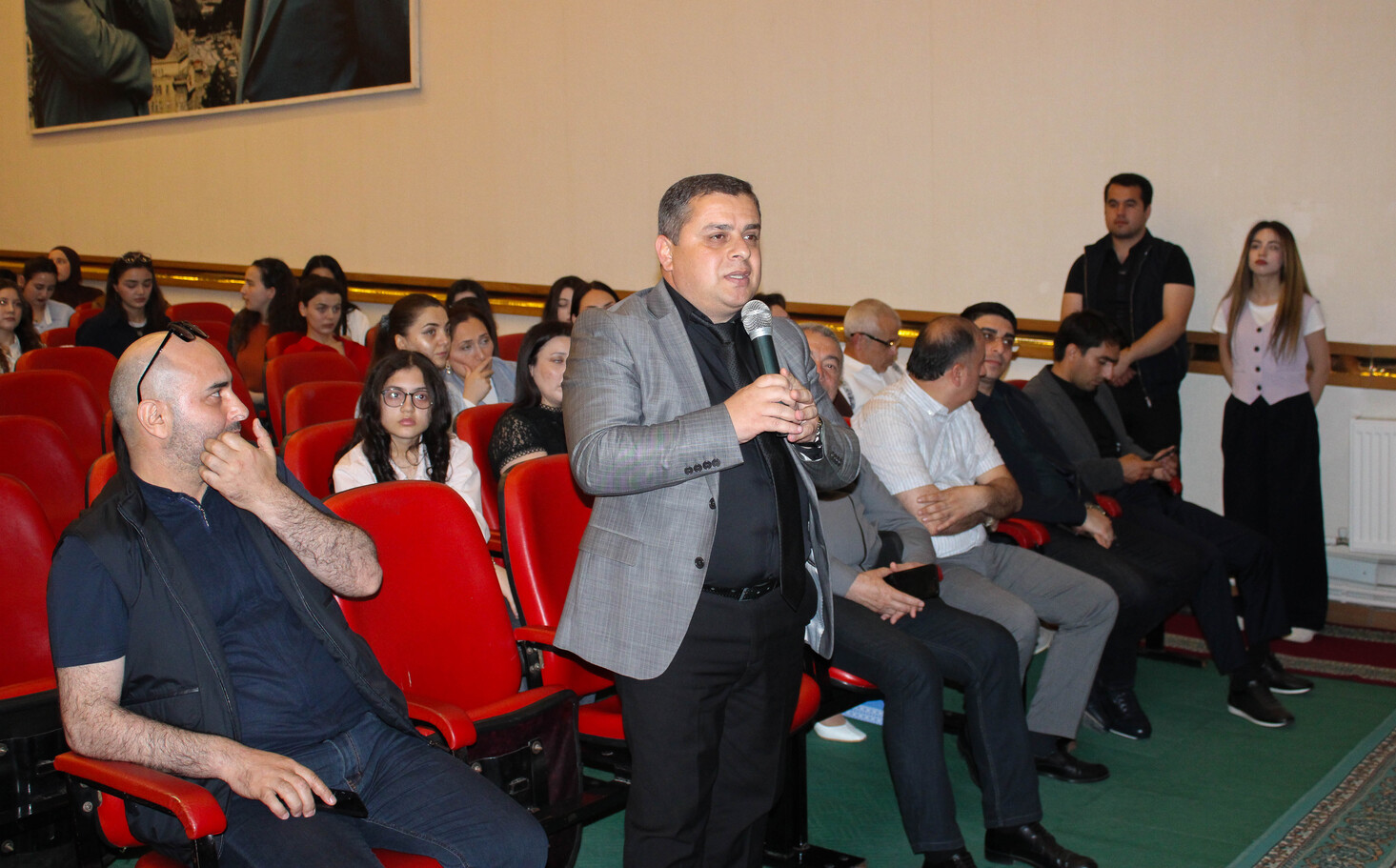
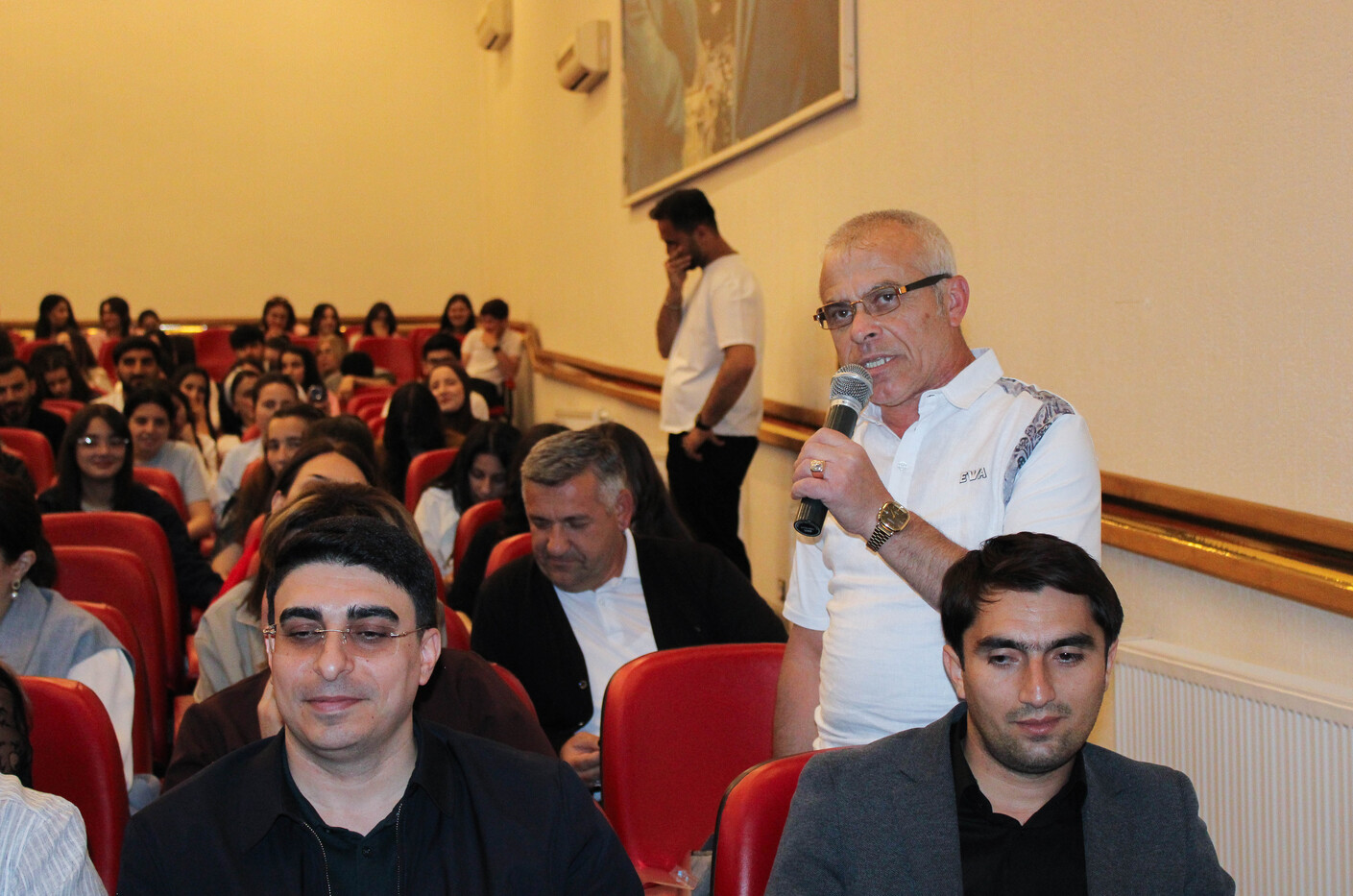
At the conclusion, students addressed their questions to the guest poets, leading to an open discussion and exchange of ideas. This interactive dialogue contributed to expanding students’ literary perspectives and stimulating creative thinking.